In lane Genre Fiction
The Dryad’s Crown by David Hopkins: A Lyrical Epic Fantasy of Fae and Ancient Evil
Description
David Hopkins’s The Dryad’s Crown pairs mythic worldbuilding and poetic prose with a nonlinear tale of an orphaned wood nymph.
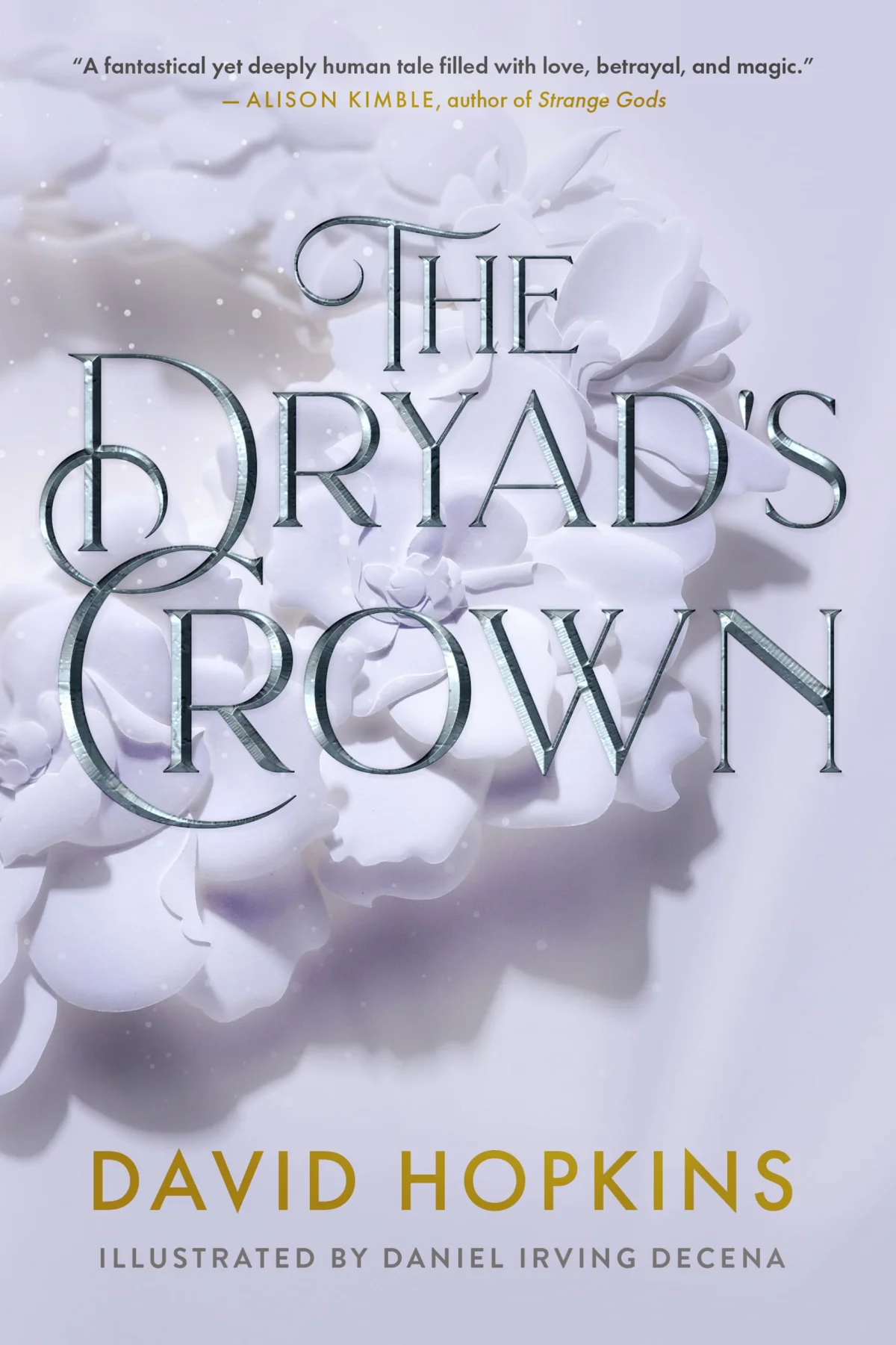
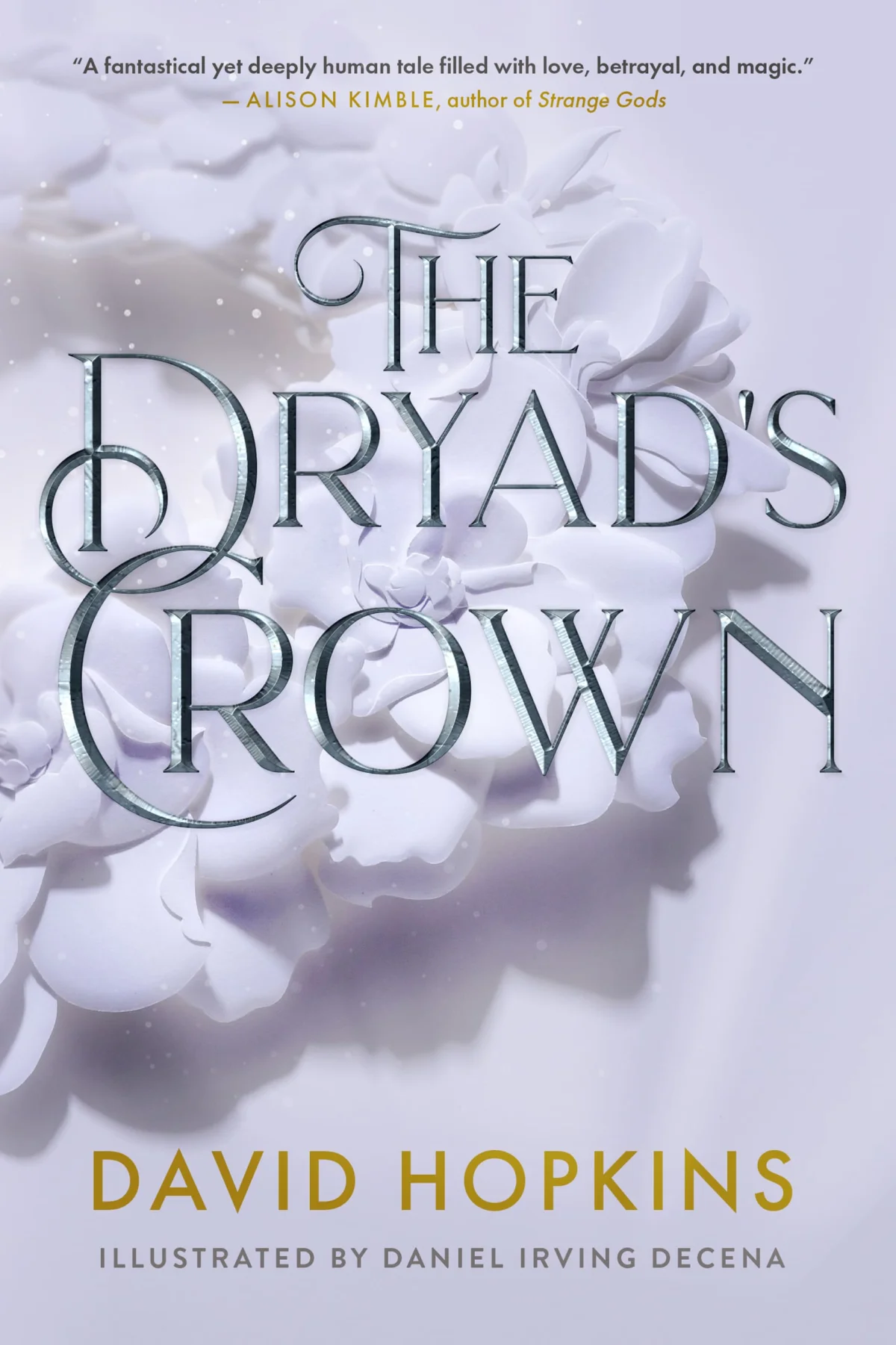
David Hopkins’s The Dryad’s Crown draws on the familiar sweep of classic fantasy while centering its story on a woman shaped by loss, violence and an uncanny bond with nature. The first book in Tales from Efre Ousel follows Silbrey, an orphaned wood nymph who grows up far from her forest home, unaware of her identity and abilities. Her path from an assassin’s training to a perilous journey with her daughter gives this mythic adventure a personal, generational core.
The premise sets a high-fantasy threat against intimate stakes: four titans lie beneath the earth, and an ancient evil may wake them and shatter the world. Silbrey’s story moves from the corrupt city of Penderyn to a wider, war-torn land, where she must confront that danger. Hopkins frames the adventure as more than a contest against a looming force. Love, grief and family shape the choices at its center, while Silbrey’s connection to the natural world links her private history to the fate of the setting.
A familiar fantasy shape with its own mythology
Readers who know The Lord of the Rings or The Sword of Shannara will recognize the book’s broad architecture: a sweeping quest, songs and poems, battles, magical traditions and a deep store of lore. Hopkins writes in conversation with that classic mode, and the verse will be especially inviting to Tolkien fans. The resemblance offers a clear point of entry, while the book’s own mythology gives the story room to develop a distinct identity.
The worldbuilding is the strongest draw. Druidic magic, mythical creatures and ancient powers build a fairytale atmosphere, but the setting stays connected to its characters rather than reading as a catalogue of invented history. The reviewer’s favorite element is Hopkins’s explanation of wizards: familiar fantasy ideas receive new roots in the book’s mythology. That approach captures what works well across the world. Readers get recognizable touchstones, then discover that those traditions have their own history and logic here.
The prose adds another layer of pleasure. Its lyrical, poetic quality suits a story told on a mythic scale, and its storyteller’s cadence supports the songs and poems woven through the narrative. Hopkins’s style appears most at home when it gives the world a sense of age and wonder. For readers who enjoy fantasy that feels rooted in legend, the language is a particular reason to stay with the book.
Silbrey’s difficult path
Silbrey’s life changes sharply over the course of the story. Taken from her forest as a child, she is raised in Penderyn under a cruel guildmaster and trained as an assassin. As an adult, she gets free and tries to make a new life and family. A tragic death draws her back to the city and toward revenge, setting her on the route to a much larger danger. The narrative then carries her and her daughter across the land, giving the book a multigenerational dimension alongside its fantasy quest.
That structure has a cost. The book is strongly plot-driven, with a narrator who keeps some distance from Silbrey’s inner life. Hopkins often relies on narrative summary, and the opening chapter delivers a substantial amount of information early. Readers who prefer close access to a protagonist’s thoughts may need time to settle into that approach. The movement from Silbrey’s childhood to adulthood can also feel abrupt, and the nonlinear timeline may take effort to follow.
Explanatory pauses supply context for the events and lore, though the reviewer finds that some sections move into social commentary with a more preachy tone. These choices will land differently depending on what a reader wants from an epic. Those drawn to character interiority and a steadily unfolding timeline may find the presentation less smooth. Readers who enjoy assembling a story from events revealed out of order may find the structure more rewarding.
Who may enjoy it
The Dryad’s Crown looks best suited to readers who want a traditional fantasy framework enriched by original lore and poetic language. Fans of Robin Hobb’s Farseer books or The Name of the Wind may recognize some points of appeal, while classic-fantasy readers can settle into the book’s songs, magic and expansive stakes. The reviewer sees bumps along the way but comes away with an enjoyable story, especially praising the world and the prose.
The book’s promise lies in the meeting of two scales: Silbrey’s family story and the threat gathering beneath the world. Its nonlinear structure and explanatory stretches ask for patience, but its mythic atmosphere gives that patience somewhere to go. Readers drawn to a nature-linked heroine, a layered fantasy setting and verse-inflected storytelling will find plenty to explore as Silbrey’s past leads her toward the danger ahead.