In lane Book Reviews
Alex Woodroe’s Tatratea Turns a Romanian Manor into Weird Eco-Horror
Description
A researcher enters a reality-bending manor in Woodroe’s tense, surreal novella, where strange plants and repeated sanity checks test her grip on the world.
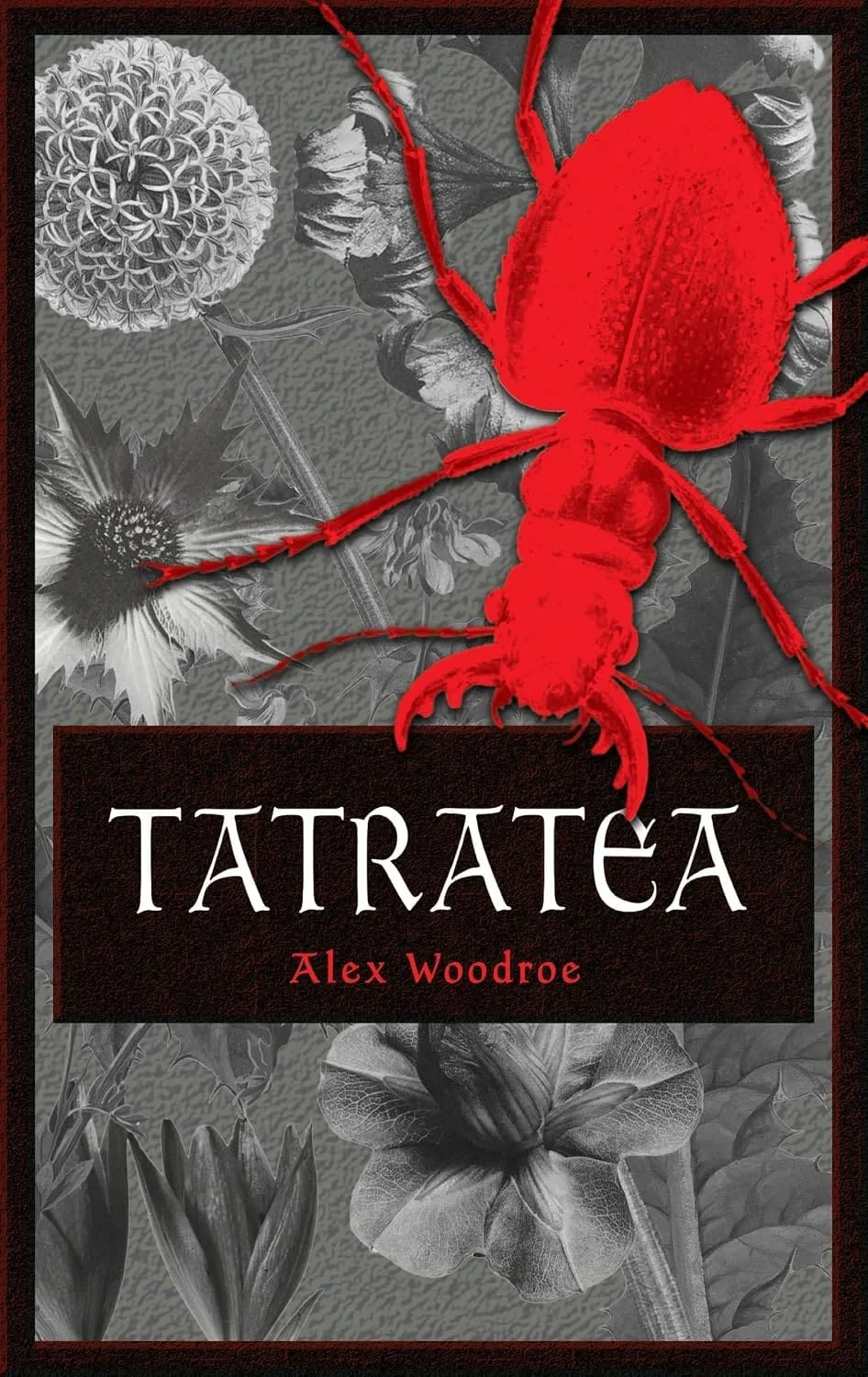
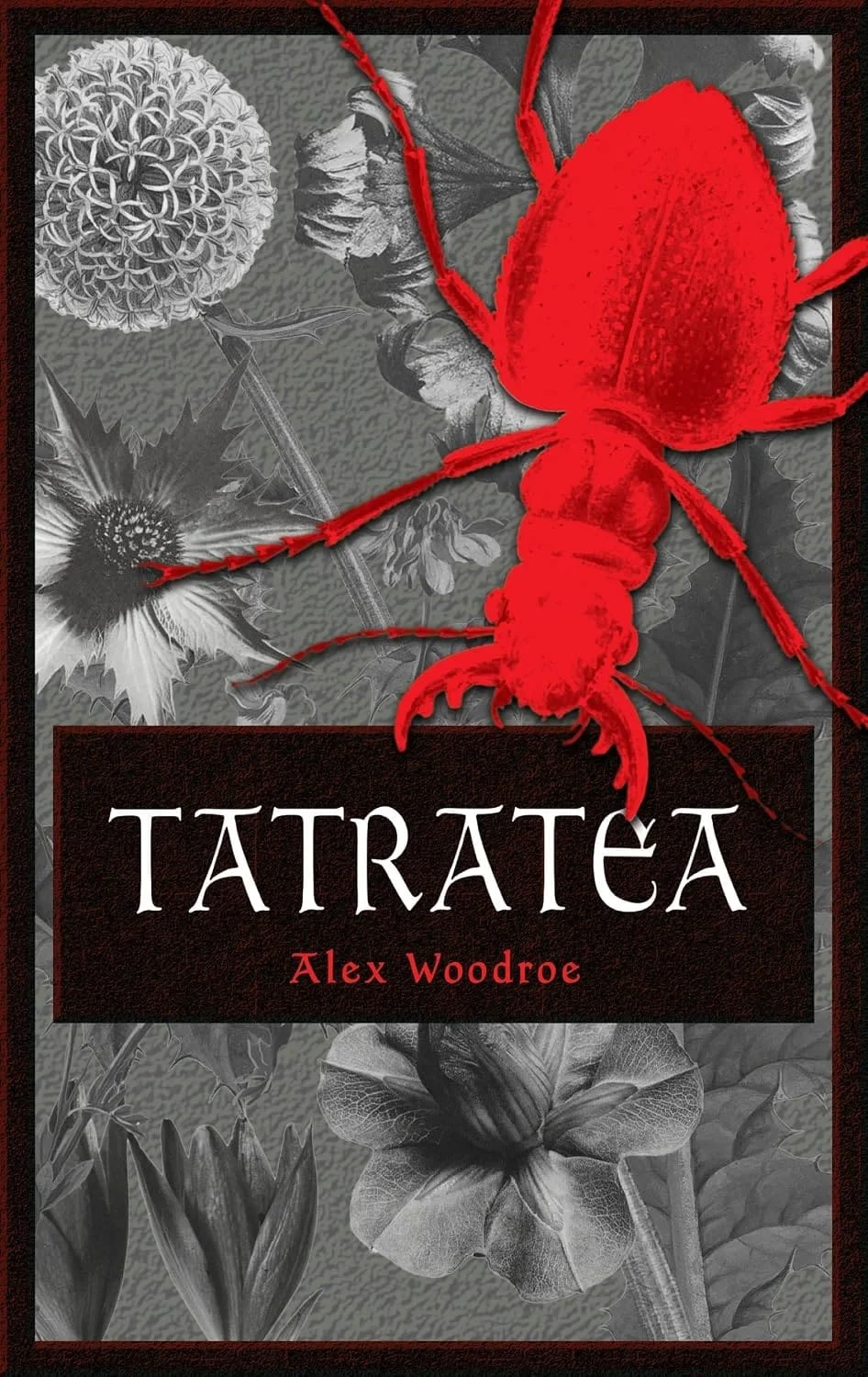

Tatratea makes uncertainty its engine. Alex Woodroe sends researcher Errata into an isolated Romanian manor where the plants behave like a threat, reality can no longer be trusted, and even the act of checking her own mind becomes part of the danger. The result is a tense, philosophical novella that pairs survival suspense with a distinctly surreal strain of eco-horror.
A manor at the edge of reality
Tatratea has stood deep in the Romanian wilderness for decades, reclaimed by nature and cut off from the world. Strange signals are coming from inside. Errata’s assignment is to find their source and discover what has happened to a world whose people have been struck by a “sanity bug.” Humanity has dwindled to a handful of survivors, and the manor’s reality-altering grounds may hold a clue to the crisis.
Once Errata enters, the doors lock behind her. The local flora seems determined to keep her there, and something may have crashed in the hedge maze. She has her research protocols, a voice recorder and a little camping gear to help her make sense of the place. Her task is to investigate the manor, stay alive and leave with enough understanding to make her mission matter.
That setup gives Woodroe a compact, effective pressure cooker. The house and garden form a mystery to be navigated, while Errata’s dwindling confidence in her perceptions makes every discovery harder to interpret. The danger doesn’t depend only on what might be hiding among the plants. It also comes from the possibility that Errata can’t reliably tell what she has seen, or whether her thoughts are still her own.
Keeping track of a mind under pressure
Errata repeatedly performs “sanity checks” to test whether the bug has affected her. The routine becomes one of the novella’s sharpest suspense devices: a practical measure that offers some reassurance, yet also keeps the threat at the front of her mind. The reviewer compares the idea to the memory-erasing aliens in Doctor Who, for whom marks on the skin might be the only clue that an encounter had taken place. Here, the checks give Errata a fragile point of reference as the manor’s effects grow harder to explain.
They also shape the reading experience. Each check asks whether Errata can trust her own account of events, and the answer never feels settled for long. Woodroe builds twists into that uncertainty, letting the mystery tighten while the book’s strangeness expands. The novella’s pace stays brisk, but its disorientation has room to linger; the reader is left weighing what Errata can know as carefully as she does.
The plants deepen that tension. Their nature, and whether they might be friend or foe, remains unsettlingly unclear. Episodes that alter the apparent rules of reality turn the gardens into more than a hostile setting: they become part of the book’s central question about what counts as real. The reviewer praises these passages for their eerie, almost elegiac quality, a counterpoint to the immediate need to keep moving and stay alive.
Woodroe’s recurring concerns grow in scale
The review places Tatratea in conversation with Jeff VanderMeer’s Annihilation, Josh Malerman’s Bird Box and the creepy-mansion suspense of Resident Evil. Those comparisons offer a rough sense of the book’s mixture of ecological unease, mental threat and enclosed-space peril, though the reviewer also cautions that Woodroe’s Weird horror resists easy definition. The capital letter marks a subgenre, but the book’s particular combination of ideas gives it its own character.
Woodroe’s earlier books, Whisperwood and The Night Ship, provide another thread. In the reviewer’s reading, Romanian folklore and dangerous nature lead into a story of a village under threat in Whisperwood; The Night Ship widens the scale, with Romania facing an apocalyptic void. Tatratea pushes the danger outward again, setting its isolated manor against a crisis that has engulfed the world. The reviewer calls this Woodroe’s best book yet, and sees nature and catastrophe as recurring concerns rather than a formula.
There’s a quieter line running beneath the chase, too. Errata describes herself as a nihilist, and her ordeal raises a question the book doesn’t reduce to a simple lesson: if life has no larger meaning, can that belief offer a kind of freedom when everything seems lost? Flashbacks to her work at “The Institute,” whose researchers haven’t given up on humanity, widen the story beyond the manor’s walls. They also underline how lonely Errata’s mission is. With only her as the reader’s human anchor for much of the novella, the need for connection becomes part of the suspense and the reflection.
The reviewer’s final comparison imagines Jeff VanderMeer writing a Doctor Who episode directed by Salvador Dalí. It captures the book’s mix of fast-moving danger and unapologetically odd imagery, though its appeal lies just as much in the questions that keep resurfacing: what can Errata trust, what might the plants mean, and what could make survival worthwhile? For readers who like horror that unsettles both the senses and the mind, Tatratea offers a strange, tightly wound journey into a manor where every attempt to find certainty carries its own risk. The reviewer describes it as Woodroe’s strongest work to date; readers can decide for themselves how its final mysteries land.