In lane Genre Fiction
Reapers by A. J. Ryan Turns Neural Tech into Fast-Paced Horror
Description
A. J. Ryan’s Reapers pairs a collapsed world with a scavenger’s dangerous work, asking what remains of humanity after a neural implant fails.
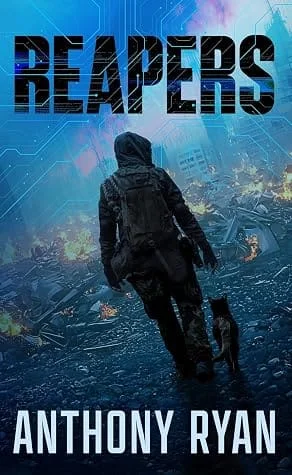
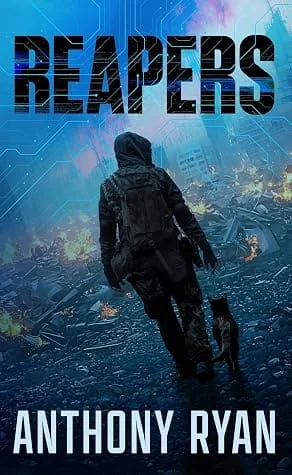
Reapers gets its horror from a premise that feels uncomfortably close to familiar habits: people embrace a device promising relief from stress, anxiety and depression, then discover the price of trusting it with their minds. Writing as A. J. Ryan, internationally bestselling author Anthony Ryan builds that idea into a brisk dystopian thriller, with a damaged society, dangerous scavenging and a central character whose work depends on other people’s catastrophe.
A job in the quarantine zones
Cortexia’s neural implant once seemed to offer a better way to live. Its users could leave stress, anxiety and depression behind, and millions adopted the technology. The Glitch changes everything. A digital shockwave strikes everyone with an implant: some die, while survivors may become vacant or violent. Civilisation falls apart almost overnight.
Dalton, a former convict, finds a way to make money in the aftermath. He works as a Reaper, entering quarantine zones to recover implants from people affected by the Glitch. The work is dangerous and morally bleak: the people he scavenges from may be dead, or still alive. He sends each batch to his employer, hoping that the payments will bring him closer to freedom.
That arrangement gives the story a clear, uneasy engine. Dalton’s work depends on a technology that has ruined lives, and his own hopes are tied to an employer whose business benefits from the disaster. A chance encounter disrupts his routine and sets off a chain of deadly events. It also pushes him to question what he believes about the Glitch and what it might mean for humanity’s future. The review keeps those later revelations under wraps, and readers are better served going in without more detail.
Character and momentum
The reviewer describes Reapers as an exciting, pulse-pounding read and praises Ryan’s control of pace. The action moves quickly, with a plot that feels built for the scale and momentum of a blockbuster. That speed gives the book its immediate appeal, while Dalton’s situation supplies a more personal thread: his prospects depend on taking risks in places where a routine job can turn deadly.
Ryan’s character work, as the reviewer sees it, comes through small, observable details rather than long explanations. Dialogue, actions and individual mannerisms help establish who people are as the pressure rises. That approach suits a story driven by movement and danger. Readers get a sense of character through what people do and say under strain, while the plot keeps pressing forward.
The reviewer’s clearest recommendation is to read the book in one sitting. The fast pace and escalating danger make that an easy case to understand, though readers who prefer horror to pause for atmosphere may find the thriller’s momentum especially prominent. The review also calls the novel nerve-shredding, a response grounded in its mix of threatening zones, unpredictable survivors and the possibility that the Glitch has not been understood at all.
A manufactured promise, then a human cost
One of the novel’s sharper devices is a set of extracts at the start of each chapter, counting down the days before the Glitch. The reviewer notes that these snippets draw on the language of magazines, reporters, consumers, influencers, critics and marketing. Together, those voices sketch a society learning to live with a popular product before anyone can see how exposed its users have become.
That framing broadens the story beyond Dalton’s immediate survival. The implant is not just a piece of science-fiction machinery; it represents a promise that technology can smooth away difficult parts of being human. The Glitch turns that promise inside out. Its consequences leave the characters to face fear, grief and uncertainty without the protection they thought they had bought.
The reviewer connects this premise to anxieties about consumer culture and short attention spans, describing the dystopia as both realistic and melancholy. That reading gives the novel’s setup an edge: the frightening part is not simply that a device fails, but that millions of people accepted its appeal and built their lives around it. The chapter-opening fragments help make that social backdrop feel lived in, rather than leaving it as a brief explanation before the action begins.
Who might enjoy it
Reapers looks well suited to readers who want speculative horror with a quick pace, a morally compromised protagonist and a technological premise that invites reflection without slowing the suspense. The reviewer places it alongside Wall-E, Artificial Wisdom by Thomas R Weaver, Rising Thunder by Neal Shusterman, Toothsucker by Kaden Love and The Infinite State by Richard Swan. The list signals an interest in stories that turn present-day concerns into unsettling imagined futures.
For readers drawn to immersive action, Dalton’s dangerous work provides a strong route into the novel. Those looking for a quieter character study may find the emphasis on pace and plot less central to their tastes. The reviewer’s enthusiasm is clear, but it’s a personal response: Reapers earns its appeal through a propulsive story, small character details and a premise that leaves a lingering question about what people surrender in exchange for a more comfortable life.