In lane Book Reviews
Stephen Graham Jones’s Off the Reservation Turns a Road Trip into Haunting Horror
Description
In Off the Reservation, Stephen Graham Jones sends Nate Yellow Tail on a perilous journey to bring a Blackfeet boy’s remains home.
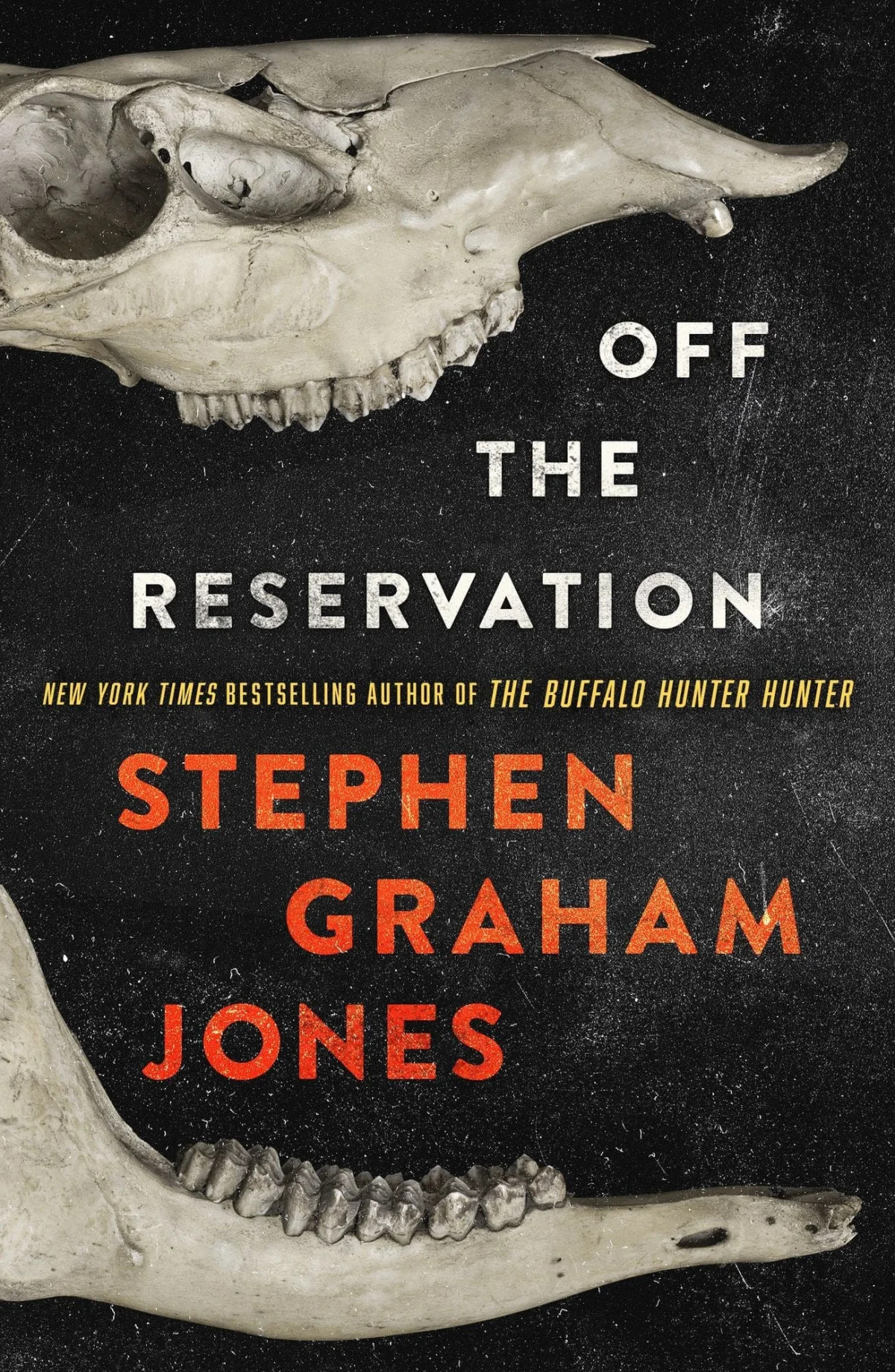
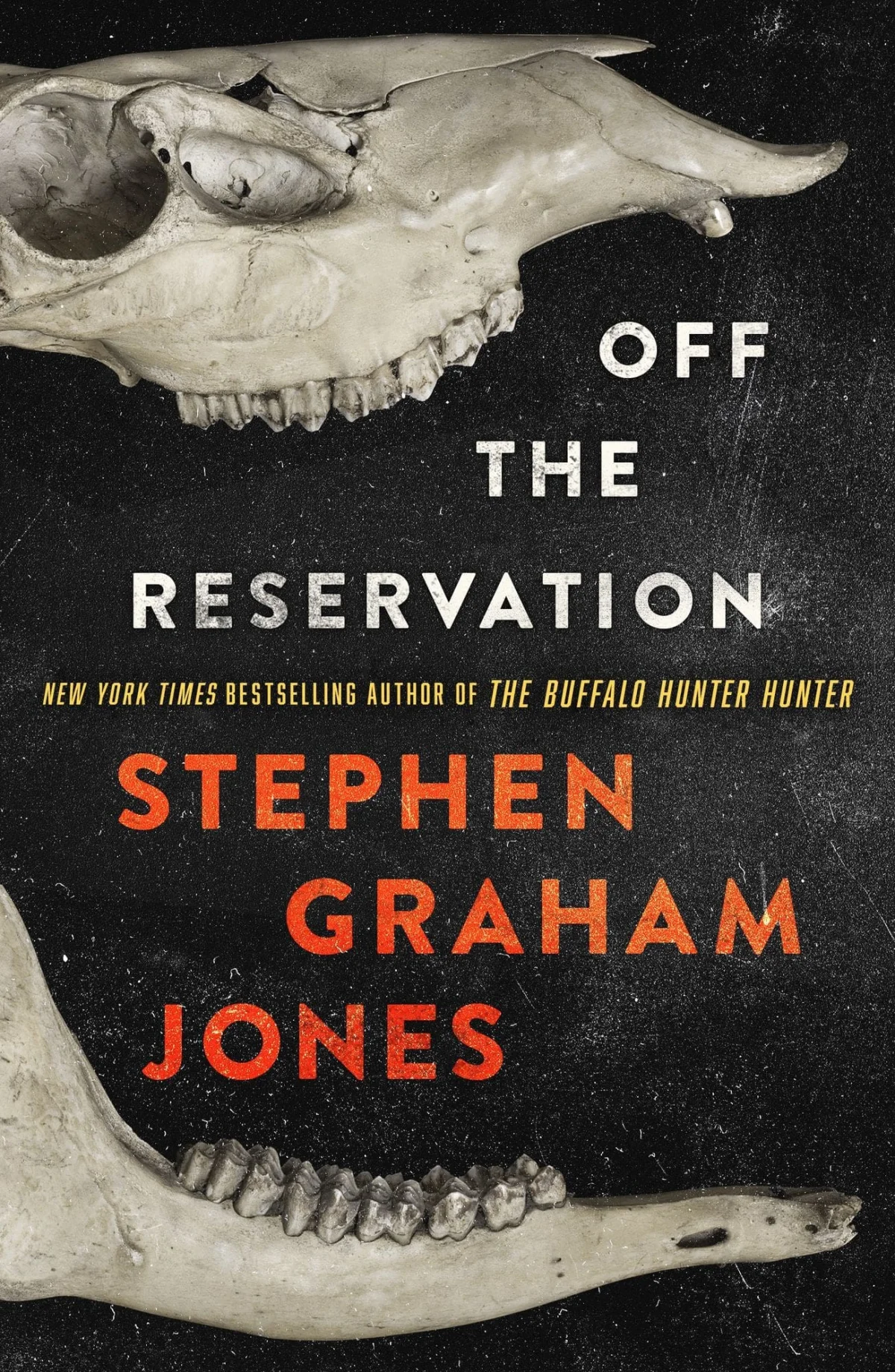

Stephen Graham Jones builds Off the Reservation around a journey with two kinds of weight: the painful history behind a Blackfeet boy’s stolen remains, and the precarious lives of the people trying to bring him home. For this reviewer, the novel’s power comes from letting the miles accumulate before turning the trip into a deeply unsettling story of possession and body horror. The book is a sequel to The Only Good Indians, and returns to the Blackfeet characters and setting introduced there.
Five years after the events of The Only Good Indians, Nathan Yellow Tail is in hospital following an accident that nearly kills him and his best friend, Sebby. Nate is struggling to find his footing when nurse Seine proposes a mission: recover the remains of a Blackfeet boy who died at the Carlisle Indian Industrial School and bring him home. Nate joins Seine and three older Blackfeet travelers in a worn-out camper van. Their aim is clear. What follows is not.
The school’s history gives the journey its moral and emotional force. Indigenous children were abused there, and the reviewer describes it as a place associated with murdered children. Retrieving the boy’s bones means confronting a past that has never been put to rest. Then, once the group finds the remains, something terrible escapes with them. Jones uses that supernatural threat to make the group’s task more dangerous, while keeping the story rooted in questions of memory, belonging and what it takes to make amends.
A journey measured in ordinary miles
The reviewer’s strongest praise is for Jones’s characterization. They describe his writing as slow-burning, with small habits, passing thoughts and offhand remarks that make the people in the story feel startlingly alive. The characters’ inner lives come through in the details, so the group doesn’t feel like a collection of horror-story roles assembled for the drive. The reviewer says they quickly came to understand the characters’ hearts, and found this naturalness distinct from the kind of cultural realism they have encountered in other fiction.
That closeness also shapes the road-trip structure. The van is barely holding together, the travelers make stops for fuel and supplies, and long stretches of shared space bring singalongs, awkward silences and sleeping shifts. These routines give the journey texture. Instead of rushing from one frightening set piece to the next, the novel lets the group spend time together in the cramped, unglamorous conditions of travel. As the reviewer puts it, the reader can feel the miles passing.
That attention to the mundane matters because the trip becomes so extreme. The reviewer found the ordinary stops and conversations made the crew’s growing closeness feel earned, giving the later horrors something human to press against. The trip also carries the familiar uncertainty of a group thrown together under difficult conditions: plans can falter, people can be separated, and any reunion has to be measured against the risks still ahead. The reviewer singles out losses and reunions along the way as part of what makes this particular journey satisfying.
Possession without familiar rules
Jones’s approach to possession is another point of distinction for the reviewer. They see it as a personal, unconventional take on the idea of an outside force taking hold of someone, without relying on a religious framework. The book asks what evil means and whether a person can free themselves once it has gained a foothold. The reviewer praises the questions the story raises, even as they describe the experience as at once heartbreaking, disgusting, confusing, overlong and pulse-pounding.
The body horror is especially intense. Some passages, the reviewer says, are graphic enough to prompt a pause or a look away. That level of physical horror is part of the book’s unsettling effect, but it also means the novel will suit readers who welcome visceral material better than those looking for a gentler supernatural story. Jones’s style asks for patience, too: the slow build and extended journey are central to the reviewer’s experience, though the same reviewer acknowledges that the book can feel overlong.
Who might enjoy Off the Reservation
The reviewer rates the novel 8.25/10 and recommends it to readers who liked The Only Good Indians, as well as to those open to a grim, character-led horror journey. They found Off the Reservation difficult to compare with other books, and the review reflects that singularity: its blend of road-trip detail, historical reckoning and disturbing supernatural horror is a large part of its appeal. Readers should expect graphic body horror and a deliberately unhurried opening stretch before the journey’s dangers come fully into view.
For readers drawn to horror that makes room for companionship and everyday detail alongside dread, Nate’s journey offers more than a sequence of scares. The reviewer came away eager to read more of Jones’s work. That’s a fitting measure of the book’s pull: even as the road grows frightening, the people traveling it remain worth following.