In lane Genre Fiction
Mortality Gauntlet Review: J.C.M. Berne’s Hybrid Helix Reaches a Fierce New Showdown
Description
J.C.M. Berne’s ninth Hybrid Helix novel brings Rohan closer to Hyperion in a lively blend of superhero sci-fi, strange worlds and old loyalties.
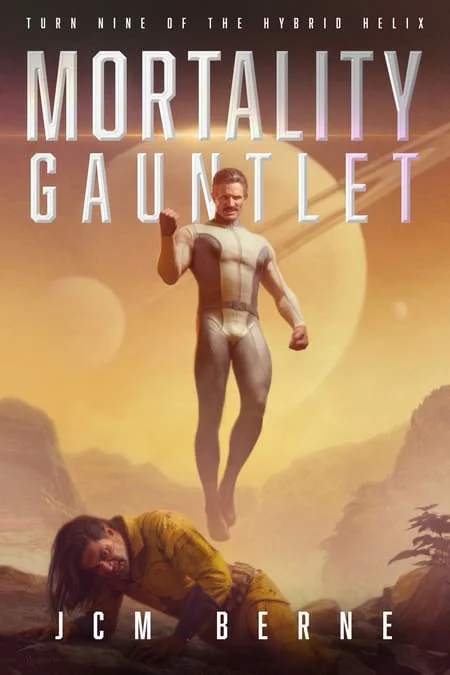
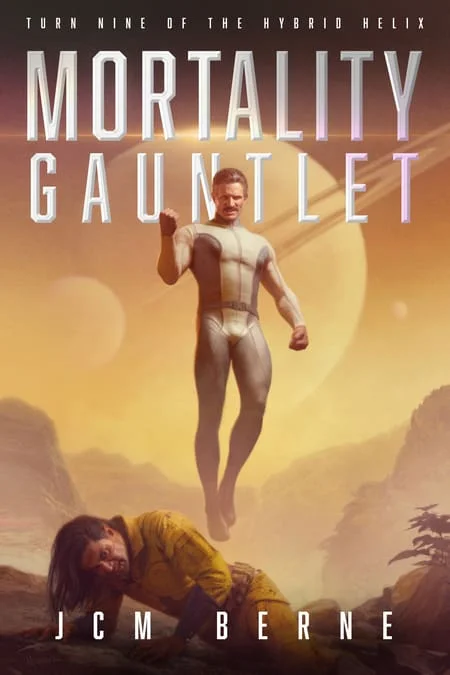
Mortality Gauntlet, the ninth book in J.C.M. Berne’s The Hybrid Helix series, brings its long-running conflict with Hyperion to a point the reviewer found deeply satisfying. The appeal is the sense of a much larger story gathering force: Rohan’s personal history with his adversary now sits alongside sprawling science-fiction dangers, unusual settings and characters readers have had time to grow attached to.
The reviewer describes this as the most enjoyable entry in a series they already find entertaining. They point to the mix of superhero fiction and science fiction, with echoes of X-Men and the feel of Mortal Kombat, all framed by a diverse futuristic universe. Those comparisons offer a useful sense of the book’s energetic action, but the review’s enthusiasm also comes from returning to familiar characters and seeing earlier tensions reach a new stage.



Rohan and the weight of Hyperion
At the center is Rohan’s relationship with Hyperion, once his hero, mentor and friend. Over time, that bond has changed: Hyperion was Rohan’s ward and confidante, then his rival, and now stands as his enemy. The history gives their conflict emotional weight beyond the question of who is stronger. Rohan knows the man he must face, and knows what that man has become.
Hyperion is responsible for the deaths of innocents and has tried to destroy humanity. Revenge is his only concern, and he has made himself more formidable with strange chemicals that, the synopsis stresses, should not exist. In their previous fight, Hyperion defeated Rohan decisively. Rohan now believes he has enough strength, Power and love to stop him. The uncertainty is compelling: does he have a genuine path to victory, or is he misjudging the danger?
The conflict has been building across several books. The reviewer traces its beginnings to around the fourth installment, while allowing that the exact point may be uncertain. By book nine, that gradual escalation has made the confrontation feel earned. Their verdict is clear: the wait has paid off. For readers following the series, the appeal lies partly in watching a distant threat become immediate after years of accumulated history.
Strange terrain and escalating action
The setting expands through the Ringgate and the Wedge, two elements the reviewer singles out as memorable. The Ringgate resists ordinary planetary descriptions: it appears to be a flat band circling its star, and travelers can move down into shadow. Its native inhabitants can open rifts in space-time, giving them a way to teleport. That ability matters in the struggle against the Wedge, creatures described as powerful dinosaur-like beings, some equipped with tentacles.
This combination of unfamiliar geography and unusual abilities gives the action a distinctive frame. The Ringgate’s shape changes how a reader might imagine movement through the setting, while the rifts add another dimension to encounters there. The review doesn’t attempt to explain every mystery, and that open space suits a series whose scale continues to widen. Rohan has to deal with immediate threats while the larger questions remain in view.
Those threats extend beyond the Wedge. Rohan also faces space pirates and the resident kaiju of Toth 3 as he tries to gather the resources needed for a fight with Hyperion. The result, as described by the reviewer, is an adventure with several kinds of danger in motion at once: opponents to confront, resources to build, and a much more personal reckoning still ahead.
A series that leaves room for more
Mortality Gauntlet closes with questions the reviewer wants the next installment to answer. What were the eggs the characters found? What is really happening with the Ringgate? Is Earth safe? These lingering mysteries suggest that the book delivers a major step in the Hyperion storyline while preserving reasons to return to this universe.
One unresolved question is lighter: when will Rohan let Katya eat something unusual when she asks? Katya belongs to a feline-derived species and displays familiar catlike habits, which the reviewer finds funny. That character detail adds a playful note to a story otherwise filled with lethal opponents and enormous stakes. It also reflects the series’ appeal as described here: spectacle and conflict are balanced by a cast whose quirks matter to the reading experience.
The reviewer recommends The Hybrid Helix to readers who enjoy superhero science fiction, and especially urges established fans not to miss this installment. Newcomers may find the book’s strongest rewards depend on knowing the relationships and earlier developments; for readers who have followed Rohan’s story, the blend of hard-won confrontation, imaginative settings and unanswered mysteries makes this a lively next chapter. The key question to carry forward is not only whether Rohan can defeat Hyperion, but what that victory—or its cost—could mean for the wider world.