In lane Book Reviews
Nghi Vo’s The Scarlet Ball Turns Gilded Age Ambition into Dark Fantasy
Description
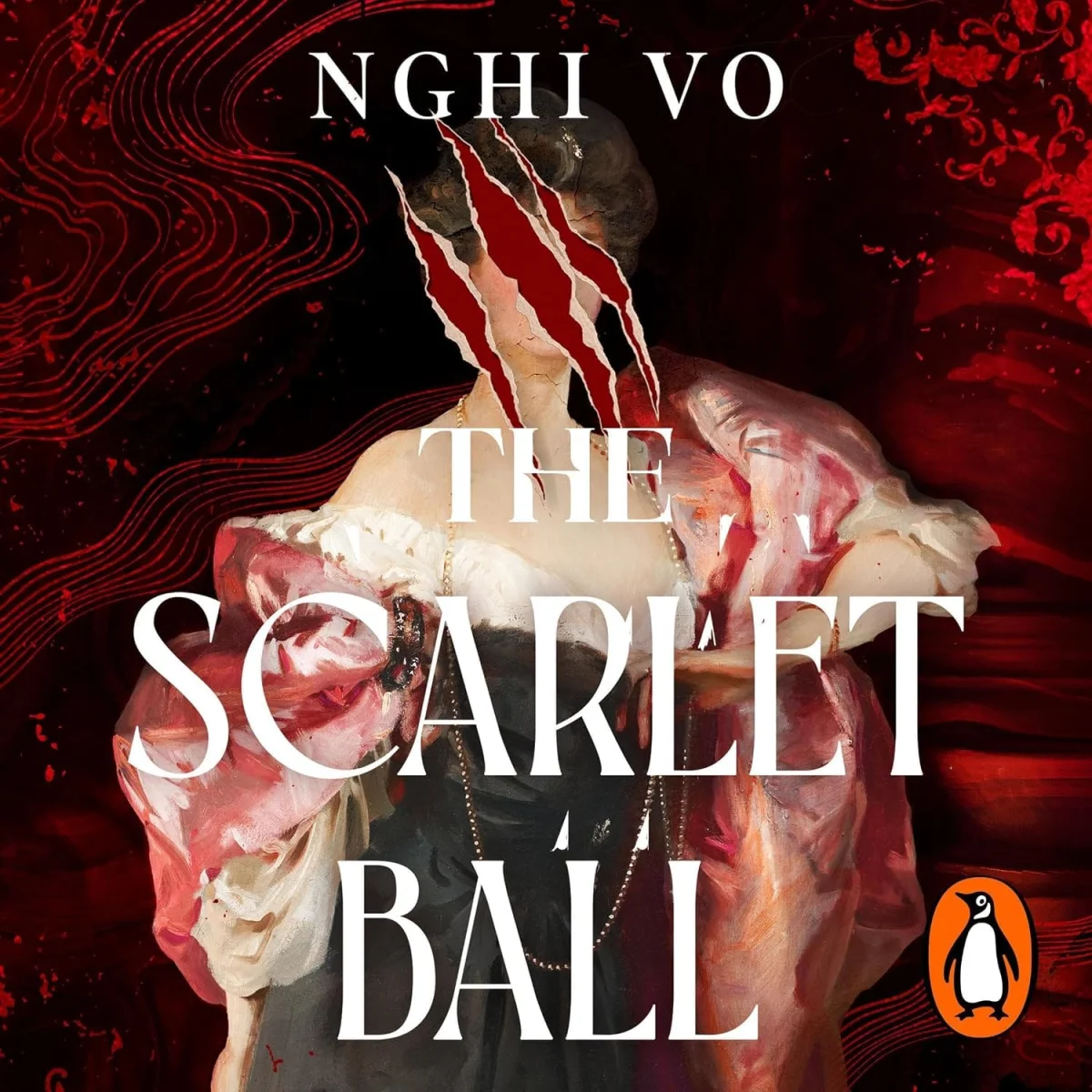
Nghi Vo’s haunting tale follows Judith Ban into New York’s elite, where a stolen identity brings danger, demonic bargains and ambition.
Rating: 10/10


A stolen identity at the heart of the story
In The Scarlet Ball, Nghi Vo sends Judith Ban into the glittering, perilous world of New York’s Gilded Age. Judith has been a convent girl, a courtesan and an unsuccessful thief. She knows how to move among people with money, and she has learned that a new identity can be a tool for survival. But the city’s elite conceal threats beyond the ordinary risks of social ambition: their balls and marriages are bound up with whispered rites and demons that crave human devotion.
A powerful Howard family matriarch offers Judith a chance to impersonate a missing debutante during the coming season. The transformation is literal as well as social: Miss Iphigenia Marshall’s face is stitched over Judith’s own. In this borrowed life, Judith is taken for white and wealthy, with the prospect of a marriage that could bring her extraordinary power. She must keep her nerve and her disguise intact while navigating a society built around inherited privilege and carefully managed appearances.
The premise gives Vo a sharp way to explore the price of access. Judith doesn’t enter the Howard family’s world as an innocent observer. She wants what it can offer, and that desire makes her more than a clever outsider watching rich people behave badly. The story’s central tension comes from the collision between her appetite for advancement and the dangers surrounding her. Her place in this world is precarious, but she’s also an active participant in the risks she takes.
Ambition, unease and a gripping heroine
The reviewer describes the book as haunting, dark and, at times, close to horror. Its tension builds as Judith moves deeper into a season where wealth, marriage and demonic devotion intersect. That mix lets the story use the polished setting of elite social life to sharpen its unease: the ballroom’s surface glamour sits beside threats that are stranger and more frightening than Judith expects.
Judith is the reviewer’s standout. She’s characterized as naïve without being innocent, forceful without being arrogant, and clear-eyed about wanting more for herself. Those qualities make her a strong fit for a story about impersonation and power. She has enough confidence to play her role, but the reviewer’s description suggests that she isn’t immune to misjudgment or temptation. Her hunger for what the new identity might bring gives the story an inward source of danger as well as its supernatural one.
That balance also shapes the reviewer’s response to the book’s suspense. Judith can hold her own against forces of nature, both literal and metaphorical, yet she has to keep adapting as the situation changes. The reviewer says the story repeatedly went somewhere unexpected and kept them engaged from its opening through the epilogue. For readers who enjoy fantasy with a dark edge, the appeal here seems to lie in that steady uncertainty: Judith is capable, but capability alone can’t make her safe.
Vo’s style and a memorable cast
The review is emphatic in its praise of Vo’s writing. The reviewer calls the execution exceptional and responds especially strongly to the prose, describing it as so affecting they could “bathe” in it. That’s a personal reaction, rather than a claim that the style will work identically for every reader, but it conveys how completely the language drew this reader into the story.
Vo’s earlier work helped set expectations. The reviewer already loves her Singing Hills Cycle novellas and had enjoyed City of Glass earlier in the year. They had little interest in the Gilded Age as a setting and wondered whether that hesitation would affect their response. It didn’t: the review credits Vo’s storytelling with making the period work for them. Readers who share that uncertainty may find the fantasy and horror elements, along with Judith’s drive, a more immediate entry point than historical setting alone.
The supporting cast adds to the story’s pull. The reviewer singles out Mr. and Mrs. Howard, Mielle and Sebastian as memorable figures around Judith. The source offers no further character details, so the pleasure described here is in the strength of the ensemble and the way these personalities support a world of family influence, social performance and hidden motives.
A strong recommendation for fantasy readers
The reviewer awards The Scarlet Ball five stars and gives it a 10/10 rating, calling it superb. Their recommendation rests on the combination of an ambitious protagonist, an eerie social setting, rising tension, vivid characters and prose they found exceptional. The review also notes that the story resists predictability, a quality that matters especially in a narrative where Judith’s false identity puts her at the center of a dangerous game.
Readers drawn to dark fantasy, horror tinged with glamour, or stories about people maneuvering through unequal worlds may find plenty to follow in Judith’s choices. The book’s most compelling question, as the review presents it, is not simply whether she can maintain her disguise. It’s what she’ll become when the power she wants starts to feel within reach.
The reviewer received an advance listening copy from Libro.FM as part of October.