In lane Book Reviews
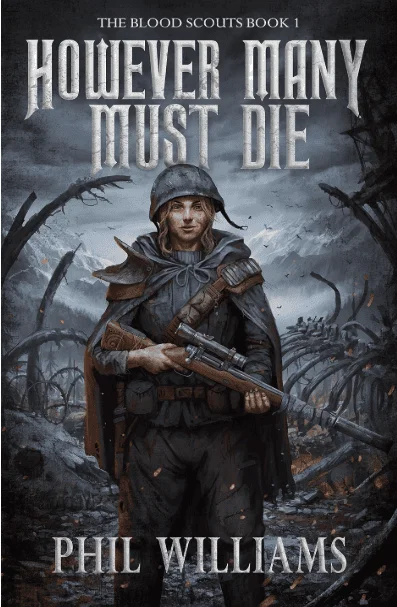
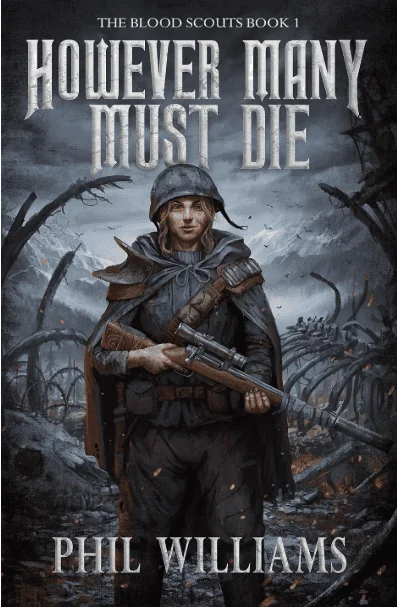
However Many Must Die Review: Phil Williams’ Gritty Fantasy of the Blood Scouts
Description
Phil Williams blends high fantasy with industrial warfare in a character-led story of sniper Wild Wish, her Blood Scouts and the cost of hope.
Rating: /10





A platoon shaped by loss
In However Many Must Die, the first book in The Blood Scouts, Phil Williams pairs the scale and magic of high fantasy with the mud, machinery and attrition of industrial warfare. The result, in the reviewer’s view, is a military fantasy that earns its darker moments through vivid character work—and keeps a measure of warmth in the company of soldiers facing a conflict they can barely comprehend.
Wild Wish enters the Blood Scouts with a simple ambition: she has been trained to kill, and now she can put those skills to use alongside an all-female platoon. Their work is extraordinary even by the standards of this world. They stalk through the night, take on giants, sink boats and turn the course of battles. But the Scouts are also losing people. Their legend is being written in lives that don’t last long enough to enjoy it.
The assignment at the center of the novel sends the platoon into Low Slane, a nightmare region behind enemy lines. There, the Dread Corps are combining magic to create a weapon that could alter the war. Wish and her fellow Scouts must try to stop them while contending with monsters and the escalating danger of the journey. The setup gives the book a clear mission, but the emotional question is more personal: can Wish preserve her comrades, and her own sense of hope, as the losses mount?
Hope amid the machinery
The reviewer finds that Williams’ mixture of fantasy and industrial combat supplies the book’s distinctive force. Heavy machine guns and bombs sit beside mages, goblins, swords and spears. Wish is also a sniper, bringing the distance and sudden threat of her work into a setting where soldiers may be killed by weapons, magic or creatures lurking nearby. The prose, as the review describes it, makes the violence physical: dirt, fear and blood are part of the experience rather than distant details of a battle map.
That intensity doesn’t mean the novel stays at one emotional pitch. Wish’s optimism gives the story room to breathe. She has begun to imagine a future for herself and fills it with the comrades who make up the Blood Scouts. The dream is modest, which makes it feel precarious: every death forces her to reconsider what that future can contain. The reviewer argues that her lightness keeps the book from becoming an unbroken exercise in despair, while the changing shape of her hopes gives the losses real weight.
This balance will appeal to readers who want grim military fantasy with relationships at its center. The violence is substantial, and the danger is constant, but Wish’s humor and attachment to her unit offer a countercurrent. The people beside her are not simply a backdrop for battlefield action; they are part of the life she is trying to picture beyond it. That connection makes the question of survival more affecting than a tally of victories and defeats.
A second view from the opposing army
Williams also shifts perspective to Marringdale, a mage serving the opposing army’s Purification. Her role is to find and crush dissent, failure and lack of belief. This viewpoint moves the reader away from Wish’s sustaining outlook and shows another face of the world the soldiers inhabit: a system that treats wavering conviction as something to be stamped out.
The reviewer sees Marringdale’s chapters as a strong counterpoint to Wish’s story. They broaden the novel’s view of the conflict without displacing its focus on the Scouts, and bring added poignancy to the characters’ circumstances. The contrast matters because it keeps the book’s darkness from being only a question of danger in the field; pressure also comes from the forces that demand obedience and certainty.
Who should read it
Readers looking for a hopeful, low-stakes adventure may find the premise a rough fit: this is a story of battle, monsters and comrades who keep dying. But those drawn to military fantasy, close-knit units and protagonists who hold on to humor under pressure may find plenty to value. The reviewer calls the concept fresh and the execution expert, praising the characterisation as the reason the grim setting never takes over the entire book.
Rob J Hayes, author of The War Eternal and The Mortal Technique, describes it as “A high-fantasy Band of Brothers (Sisters),” praising its portrayal of hope, despair and gallows humor among soldiers fighting a war beyond comprehension. The reviewer’s own verdict is just as enthusiastic, while emphasizing how Wish’s changing dream gives the story its emotional anchor. However Many Must Die looks most compelling for readers who want a fierce battlefield journey with a human bond at its center—and who are prepared for that bond to be tested.