In lane Publishing Industry
Game On and Shook: Two Middle Grade Stories About Identity, Pressure and Growing Up
Description
Sina Grace and Julian Randall offer middle grade readers two distinct stories about family, identity, friendship and learning to ask for help.

Game On and Shook take different routes through the pressures of middle school. Sina Grace’s graphic novel follows a boy figuring out what his Persian heritage means to him; Julian Randall’s novel in verse centers on a young basketball player whose injury brings anxiety into focus. Both books give readers room to recognize the awkward, sometimes painful choices that come with growing up.
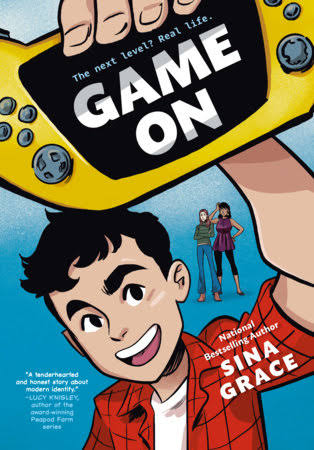
Game On: learning what family and culture mean
In Game On, Sasan’s attention is firmly on video games, especially the new RadBox console his classmates are discussing. His mother offers a bargain: she’ll buy him one if he learns Farsi. Sasan agrees reluctantly, and their lessons become a regular part of the story. At the same time, a school project called “Who Am I?” asks him to think about the experiences and relationships that have shaped him.
Sasan’s questions about identity are personal and immediate. His mother is from Iran, while his absent father is white, but Sasan hasn’t spent much time considering what his heritage means to him. His older sister sees his enthusiasm for games and superheroes as a sign that he’s overlooking culture and family. That disagreement gives the story a useful tension: Sasan has to decide what matters to him for himself, rather than simply adopting his sister’s priorities or his friends’ interests.
He doesn’t always choose well. Some decisions disappoint the people around him, and he has to reckon with the effect his actions have on his family and friends as well as on his own sense of himself. The movement toward appreciating his Persian heritage is gradual. By the end, he’s beginning to understand that his culture is part of who he is, while still being a kid with his own interests and changing ideas.
The reviewer appreciates that Sasan feels like a recognizable middle schooler: he can be swayed by what his friends are doing and wants to fit in. His mother is another strength. She expects him to take responsibility, yet understands the social pressures of middle school. That balance makes their lessons more than a simple trade for a console; they give mother and son a way to spend time together while Sasan works through questions he might otherwise avoid.
Published by Random House Graphic, Game On runs 208 pages and is recommended for grades 4–7. Its author’s note connects the story to Sina Grace’s own adolescence. The book also adds a boy protagonist to the middle grade graphic novel shelf, an area the reviewer sees as needing more stories like this. It could suit elementary and middle school libraries, particularly for readers interested in family relationships, gaming, or stories about working out where they belong.
Shook: when basketball stops being the whole plan
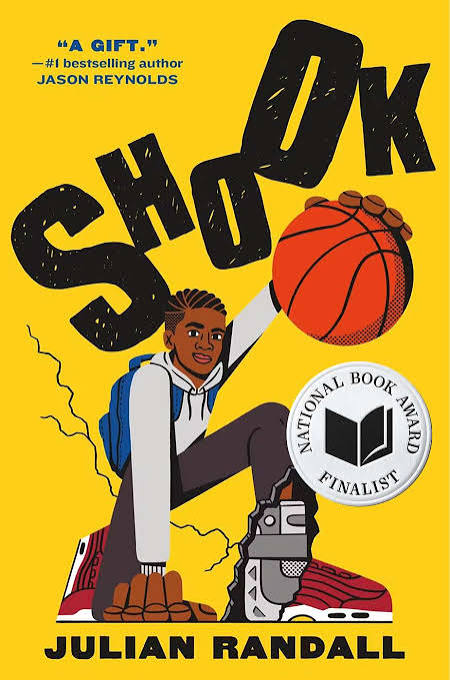
Malik “Shake” Page starts Shook with a clear idea of his future: he’s made the varsity basketball team in eighth grade, and he expects to keep progressing through high school and college until he reaches the NBA. A fractured ankle during his final summer game abruptly puts that plan on pause. With basketball temporarily out of reach, Shake has to face what else is weighing on him.
His parents’ struggle to cover his medical bills deepens his worry, and he begins experiencing panic attacks. He also feels his basketball friends moving on without him. Meanwhile, Kyla, his oldest friend, has become distant. The injury is the turning point, but the story’s focus is wider than sports: Shake is learning how much pressure he has placed on himself and how vulnerable he feels when the future he imagined seems uncertain.
A compassionate therapist helps him find ways to cope with anxiety. He also begins to understand that asking friends and family for support can be part of facing a difficult stretch. That gives the book a grounded account of help seeking: Shake’s progress comes through recognizing what he’s feeling and finding ways to share the burden, rather than simply waiting for his ankle to heal and returning to the same expectations.
Henry Holt and Co. published Shook, a 256-page novel in verse recommended for grades 4–8. The reviewer describes it as a National Book Award finalist and notes its comparison with Kwame Alexander’s The Crossover. Shake’s voice is rooted in his West Chicago community, while basketball remains central to the way he understands himself. His relationships with family and friends, and his struggle with anxiety, give the sports story emotional breadth.
Two routes into middle school life
These books may appeal to readers for different reasons: Game On pairs cultural identity and family lessons with a young gamer’s everyday concerns, while Shook follows an athlete adjusting to injury and anxiety. Each leaves room for the main character to make mistakes and reconsider what he needs. For librarians and families choosing books for upper elementary and middle school readers, they offer two engaging entry points into conversations about belonging, expectations and the people who help us through change.