In lane Book Reviews
The Green Child by Hollie Hughes and Britta Teckentrup: A Hopeful Picture Book for Nature Lovers
Description
Hollie Hughes and Britta Teckentrup trace a forest’s changing seasons in a lyrical picture book about nature and small acts of care.
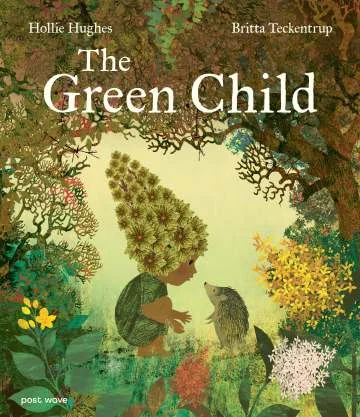
The Green Child makes its case for caring for the natural world through a forest story that unfolds with the seasons. Hollie Hughes’s lyrical text and Britta Teckentrup’s handmade, collaged illustrations follow a sleeping child as the forest stirs, grows and faces a hot, dry spell. Reviewer Romi Sharp finds the book’s hopeful message well suited to young readers and the adults who share picture books with them.
 Book details: The Green Child is written by Hollie Hughes and illustrated by Britta Teckentrup. It is published by Post Wave Publishing, with a release date of September 2026.
A forest story shaped by the seasons
The story begins with the Green Child asleep among gnarled trees and fallen autumn leaves. Winter passes into spring, then summer. As the child moves through the forest, its creatures and plants awaken and flourish. The seasonal sequence gives the book a clear, unhurried structure: readers can watch the setting change while the central idea gathers force.
That pattern also makes nature an active presence in the story. The forest isn’t just a backdrop for the Green Child; its trees, animals and cycles of growth shape the action. When a hot, dry spell arrives, the child and its forest companions set out to carry a message to people. Leaves pass over the land, linking one person to another, and the story suggests that care can spread through small acts shared across a community.
Sharp describes the book as an “evocative roll through the seasons” and points to the way its poetic rhythm supports that progression. For young listeners, the movement from sleeping forest to renewed growth offers a simple route into the story. Returning to the same natural setting in different seasons can also invite conversation: what changes, what comes back, and what does a living place need?

Words and pictures work in concert
Hughes’s language is lyrical and gentle, qualities that Sharp says allow the text to convey nature’s “value and charm.” The writing appears designed to be read aloud, with a rhythmic flow that can hold a child’s attention as the scenes shift. Its message comes through the tale’s images and action, rather than relying on an extended explanation of environmental care.
Teckentrup’s illustrations give those scenes their tactile character. Sharp singles out the handmade textures, the collaged approach and the “gnarled trees” as memorable features. The varied surfaces and layered forest imagery help give the woodland a distinct presence on the page. Together, the text and artwork create a picture book where the visual journey carries as much weight as the words.
That combination suits the book’s central movement from a quiet beginning to a more animated forest. As the seasons turn and growth spreads, the pictures can offer details for readers to notice and return to. Adults sharing the story may find natural pauses for questions about the creatures, leaves and changing weather, while younger readers can follow the Green Child’s passage through the forest.
A gentle invitation to care
Sharp’s review is warmly enthusiastic. She calls The Green Child a “beautiful celebration of Mother Earth” and praises its hopeful approach to environmental advocacy. In her reading, the story’s strongest idea is that a small beginning can gather momentum: one person’s care can reach another, and many small contributions can add up to a wider change.
That makes the book a natural fit for families looking for a story about nature that leaves room for wonder as well as discussion. Its seasonal structure may also appeal to classrooms and book groups exploring the natural world through picture books. The message is direct, but it arrives through a magical forest tale, with the Green Child and the creatures around it at the heart of the experience.
The story ends by returning to rest, completing a circular journey that echoes its opening. Sharp sees that close as part of the book’s lasting appeal: a whisper has travelled outward, and the forest can settle again. Readers who enjoy poetic read-alouds, richly textured illustration and hopeful stories about caring for the living world may find much to linger over here.

Review by Romi Sharp. The reviewer received a complimentary copy from Post Wave, with thanks also to KEAN & Creative for the collaboration.