In lane Book Reviews
Your Beloved Remains Review: Gothic Academia, Forgery and Obsession
Description
Quinn Connor’s gothic novel pairs an uneasy literary forgery with an engrossing campus atmosphere, though its unresolved ending may divide readers.
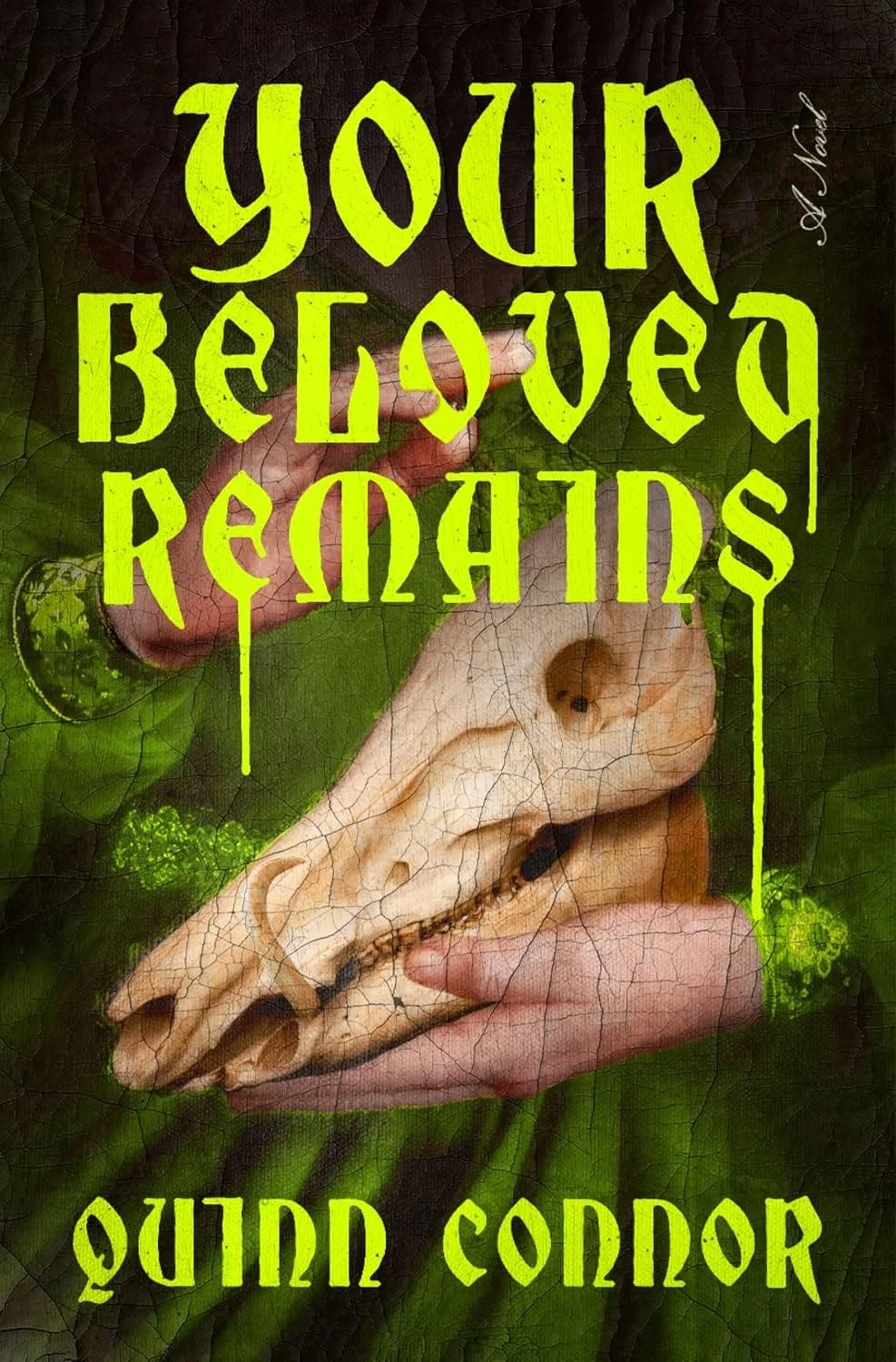
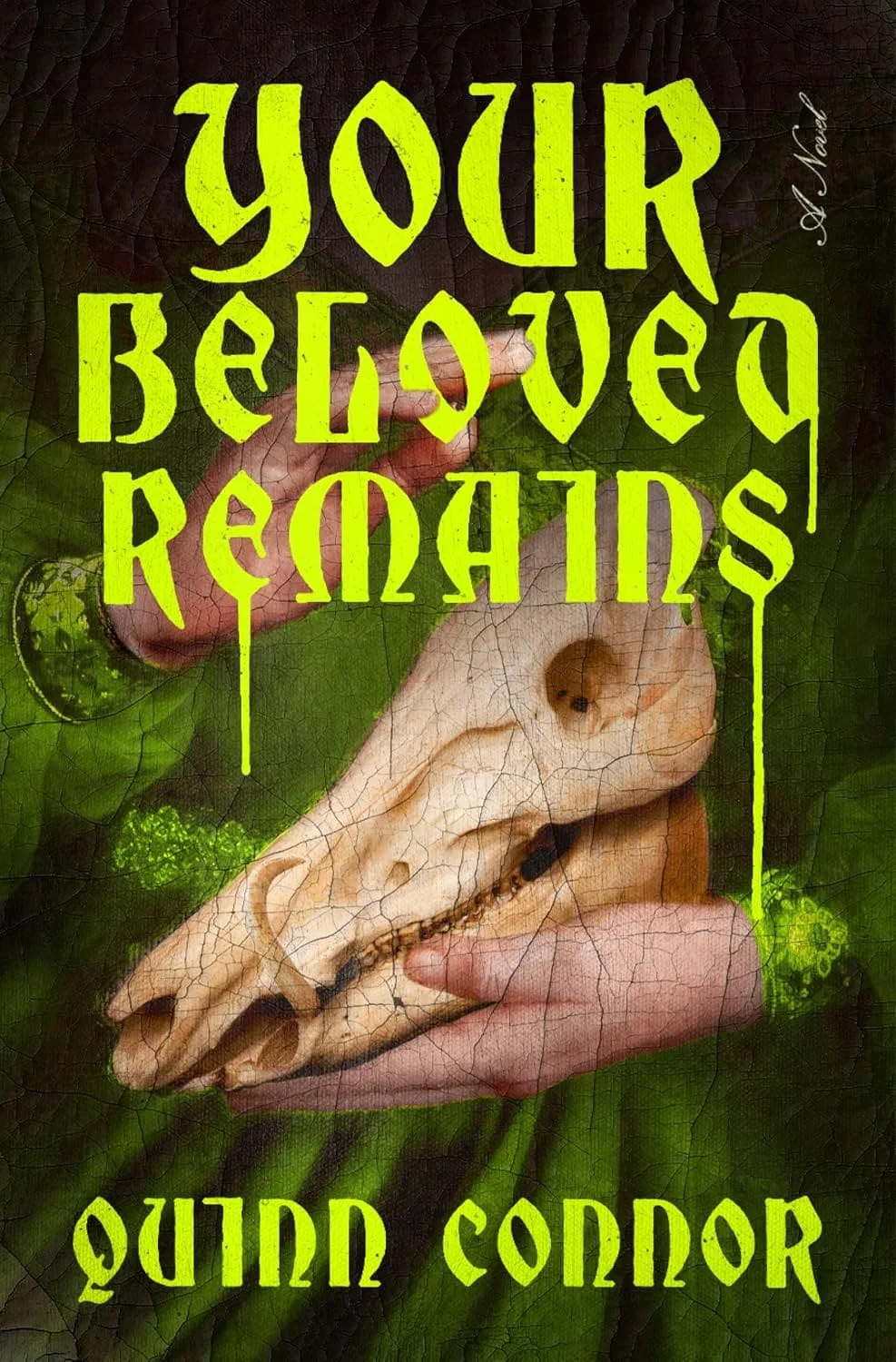
Quinn Connor’s Your Beloved Remains builds its strongest spell through place and voice: a decaying women’s college, a scandal-shadowed writer and two women whose collaboration threatens to become an obsession. The novel blends gothic unease with academic intrigue, and the reviewer rated it 7/10. Its final pages, however, leave questions that may frustrate readers after such a gripping buildup.
A college and an author at risk
Celia Kiel is the archivist at Basin College, an isolated institution in the Southern Ozarks. Once a jewel of women’s higher education in the South, the college has declined, and its future looks increasingly uncertain. Its endowment depends in part on the estate of Beatrice Donahue, a nineteenth-century writer whose work and scandalous reputation have held Celia’s devotion since childhood.

When the administration announces the college’s imminent closure, Celia finds a manuscript preserved in formaldehyde. It may be Beatrice’s infamous lost work, but the pages are too damaged to restore easily. The discovery could draw attention and support to Basin, yet Celia sees another possibility: recreate the manuscript in Beatrice’s style and present the result as the lost original.

To attempt the forgery, Celia turns to Joan Harriot, a literary postdoc and professional rival with an exceptional gift for mimicry. Joan has her own troubling past, and she isn’t devoted to Beatrice’s legacy in the way Celia is. Their project brings them into close collaboration, where questions of artistic ownership and preservation start to blur. If the manuscript is completed through imitation, is Celia saving Beatrice’s work or compromising it?

Two voices in a gothic setting
The reviewer describes the book as a fictional mix of the forgery premise in Can You Ever Forgive Me? and the dark intensity of sapphic academia. Celia and Joan aren’t students, but Basin’s scholarly traditions and decaying buildings give the story a distinctly academic edge. The old house and its troubled history create the kind of atmosphere that made the reviewer anticipate a scare around every corner, with echoes of Flanagan’s Hill House and King’s Overlook Hotel.

The prose stood out from the start. A second-person point of view gives the narration an unusual immediacy, while the dual perspectives help distinguish Celia and Joan. They approach Beatrice from sharply different positions: Celia feels responsible for protecting both the college and the writer’s legacy, while Joan is far less constrained by rules or reverence. Their differing attachments shape how they work together—and how they challenge each other.

For the reviewer, Celia is the more compelling character. Her belief in Basin and Beatrice feels sincere, and her sense of duty makes her admirable. But that conviction also leaves her open to a difficult question: whether the traditions she has spent her life defending are necessarily the right ones. Joan plays a more disruptive role. Her irreverence can draw Celia toward corruption, but it can also loosen the grip of Celia’s familiar assumptions. The reviewer found Joan less fully realized on her own, while valuing the way she gives Celia both a collaborator and a source of friction.
Their partnership also carries a strong physical charge. The reviewer, who generally prefers books with less sex, found that tension suited the characters and their volatile dynamic. As their professional scheme grows more complicated, the lines between literary ambition, personal desire and mutual influence become harder to keep clear.
Isolation builds the suspense
The college’s winter closure gives the novel a tight, confined stretch. For six weeks, travel up the dangerous mountain stops. Celia has offered to remain at Basin alone during that period for years; this time, Joan joins her, partly to get distance from her own problems and partly to keep working on their project. A remote campus, a single house and two uneasy collaborators make for an effective setup, which the reviewer likens to an academic version of The Shining.
Connor lets the tension gather gradually, adding unease and supernatural elements as the story goes on. The cave, lake and house all contribute to a mounting sense that something is pressing in on Celia and Joan. The reviewer was absorbed by the central uncertainty: whether the women would carry out their plan, and whether whatever haunts them would let them.
A lingering question about the ending
For all the suspense along the way, the ending didn’t satisfy the reviewer. It isn’t a complete failure, but it left the story feeling flatter than its build warranted and readers hanging on questions the book doesn’t resolve. The reviewer can see a connection between that ambiguity and Beatrice’s own unfinished legacy, but wasn’t convinced that the parallel made the ending work.
One practical question remains central to the review: why couldn’t Celia simply show the damaged manuscript to the college’s board? Even an incomplete discovery could have drawn interest to Basin, given its connection to a long-lost work by a celebrated writer. The reviewer wonders whether the pressure to forge the pages comes from Celia herself—or from the influence of Beatrice and the house around her.
That uncertainty hasn’t erased the novel’s effect. The reviewer says the story has stayed with them, and singles out a scene involving Celia’s foot as unforgettable. Readers drawn to gothic atmosphere, complicated literary ambition and a charged partnership may find plenty to linger over, even if the final questions don’t land for everyone.