In lane Authors & Interviews
Jess Horn and Mo Davey Reimagine Access in Starfish Can’t Ride Bikes!
Description
Jess Horn and Mo Davey’s picture book turns an everyday bike ride into a funny, thoughtful story about access, choice and inclusion.
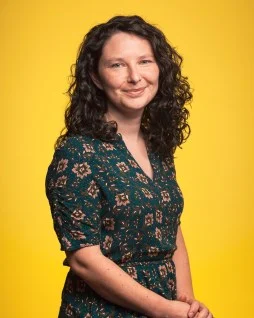
A bike that won’t work for its rider is the starting point for Jess Horn and Mo Davey’s picture book Starfish Can’t Ride Bikes! Published by Larrikin House, the story uses a lively cast of sea creatures to ask who needs to adapt when someone is left out—and what it means to make participation possible.

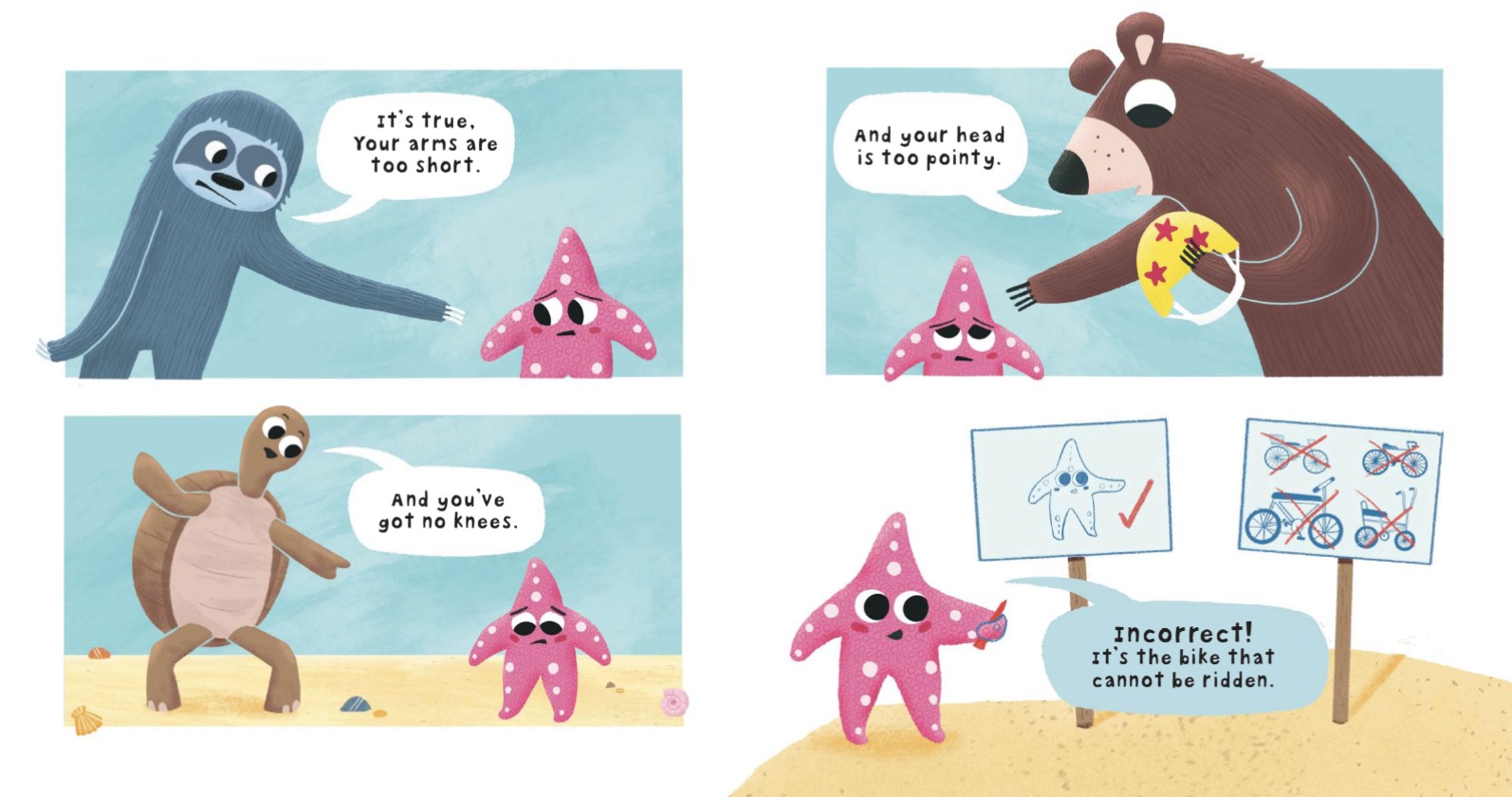
When the other animals tell Starfish that he can’t ride a bike, he replies that the bike is the problem. That reversal gives the story its playful premise and opens space to consider accessibility without making Starfish’s difference the obstacle to be fixed. The animals explore whether they can make a bike that works for him, while readers are invited to think about the choices and opportunities that access can create.
Horn describes the book as an opportunity to question assumptions about inclusion. She particularly values its surprise ending, which she hopes will prompt young readers to reconsider what they believe about access. In her view, a moment of discomfort can help people open their minds and grow as a community. The twist is part of that invitation to think, rather than simply accept the first answer offered.
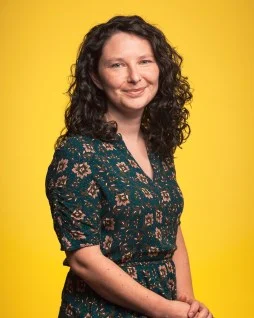
Access means choice
For Horn, accessibility is about creating opportunities while leaving people free to decide whether and how they take part. She connects that idea to the social model of disability, which locates barriers in the surrounding world rather than in an individual’s impairment. The distinction shapes the book’s central question: if someone can’t join in, might the activity or its setup be the thing that needs to change?
That question applies to barriers that aren’t immediately visible, Horn says. A wheelchair user may encounter a physical obstacle such as a station without a lift; an autistic child might find a party inaccessible because of loud music, flashing lights or uncertainty about what will happen. Those examples point to small changes that can widen access and let people choose how to participate.
Horn’s interest in the subject draws on years working as a speech pathologist and support planner in the disability sector. She says her own autism and ADHD diagnoses, and later her son’s, deepened her understanding of barriers created by social expectations and environments. She hopes the picture book will help the next generation develop a broader understanding of accessibility.
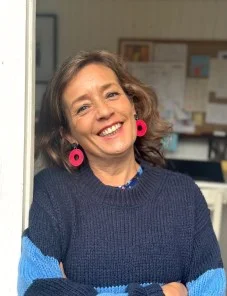
The idea began with two threads that eventually came together. One was Horn’s wish to write about accessibility as a source of choice and opportunity. The other came from watching her children learn to ride bikes. When they wobbled, they would stretch out their hands and feet like starfish—a comic image that gave Horn a phrase to tease them with. The image stayed with her until it joined the accessibility theme and became the story’s premise.
Characters drawn with feeling
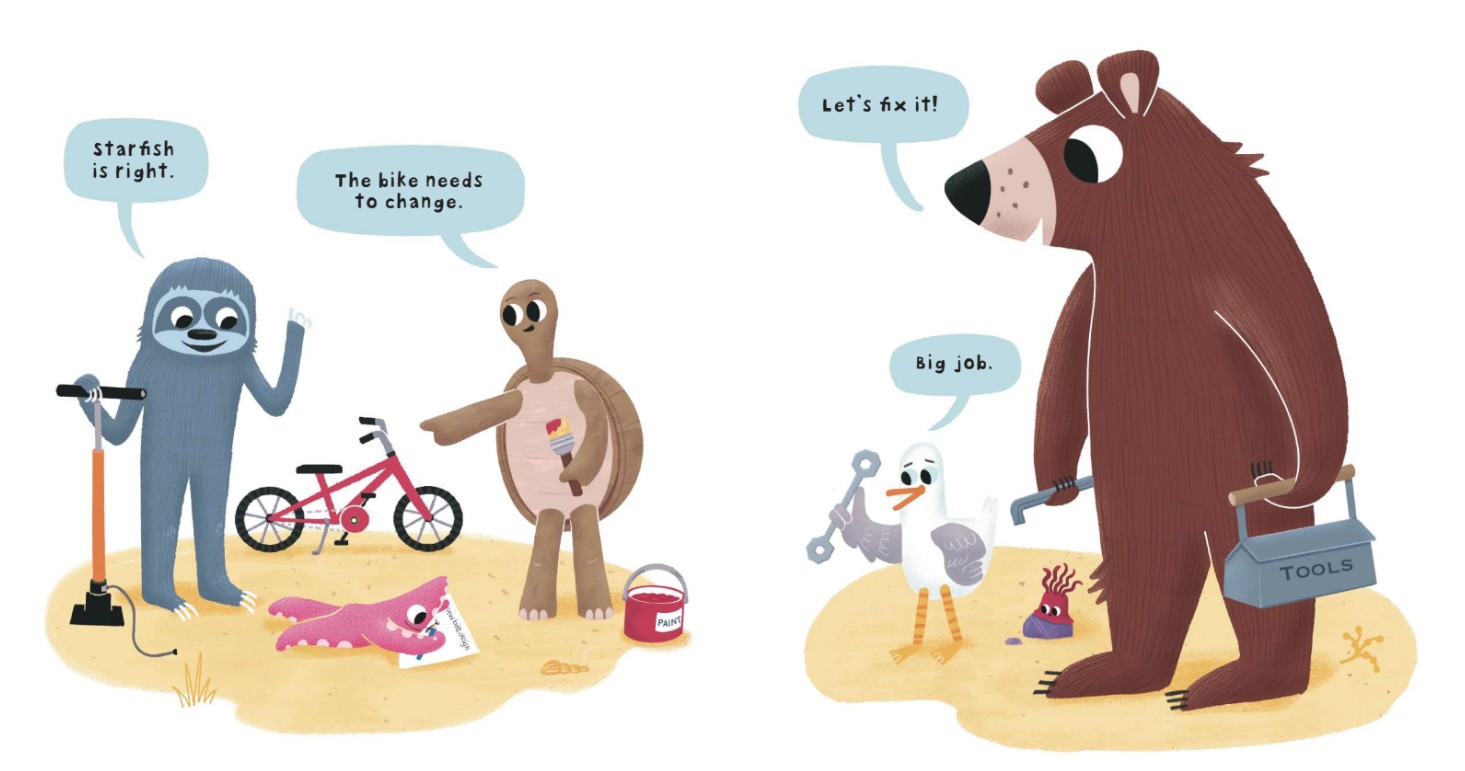
Davey’s illustrations give the animals expressive faces and distinct personalities as they respond to Starfish’s matter-of-fact point of view. Horn praises the way the pictures show them processing his perspective and reconsidering their assumptions. She also points out a small anemone that appears in unexpected places throughout the book.
Davey says her favourite part is the animals’ expressions and the recurring anemone. She begins with pencil sketches, then develops them in Procreate, refining the drawings and trying colour combinations until she finds the palette she wants. The result, in Horn’s view, is a bright, playful visual world that complements the humour and heart of the text.
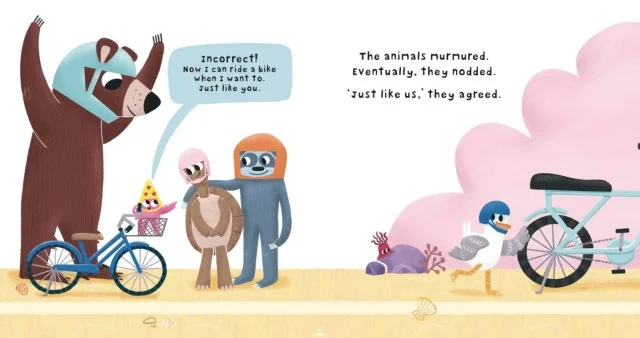
Davey was drawn to the book’s inclusive approach and to the idea of giving a starfish a strong personality. She says the story may speak to anyone who has had a firm view about what seems like a reasonable request: even if you don’t want to do something, you should still be able to. That thought adds another dimension to the book’s focus on choice.
From idea to picture book
Horn estimates that shaping the story from first draft to final version took a couple of months, although the ideas had been with her for years. Davey says she lost track of how long the illustrations took. The book combines narration and character dialogue in a format the interview describes as having the open-ended feel of a comic, allowing the animals’ exchanges and reactions to carry much of the story.
Starfish Can’t Ride Bikes! landed on shelves on 01 September 2026. A launch was scheduled at Gleebooks in Glebe for 05 September at 10:30. It is available through Larrikin House.

The book’s practical invitation extends beyond the story. Horn suggests activities such as decorating bikes or designing one for different access needs, spotting barriers in familiar places, and redesigning everyday objects so more people can use them. A discussion prompt—“what if the problem isn’t the person?”—offers a direct way to continue the conversation after reading.
Horn is a Sydney-based, neurodivergent children’s writer and former speech pathologist. Her debut picture book, Bernie Thinks in Boxes, was named a CBCA Notable and selected for the 2025 Victorian Government Prep Bags. Davey, a Sydney-based author and illustrator, also created I Am Tree Rex!, a picture book for children who love trees and dinosaurs. More about Horn is available at Jess Horn Author; Davey’s work is featured at ramonadavey.
At its heart, Starfish Can’t Ride Bikes! pairs a comic misunderstanding with a question that travels well beyond the page: what could change to make room for someone else? Its humour gives young readers an easy way into that conversation, while its focus on choice leaves room for more than one answer.