In lane Book Reviews
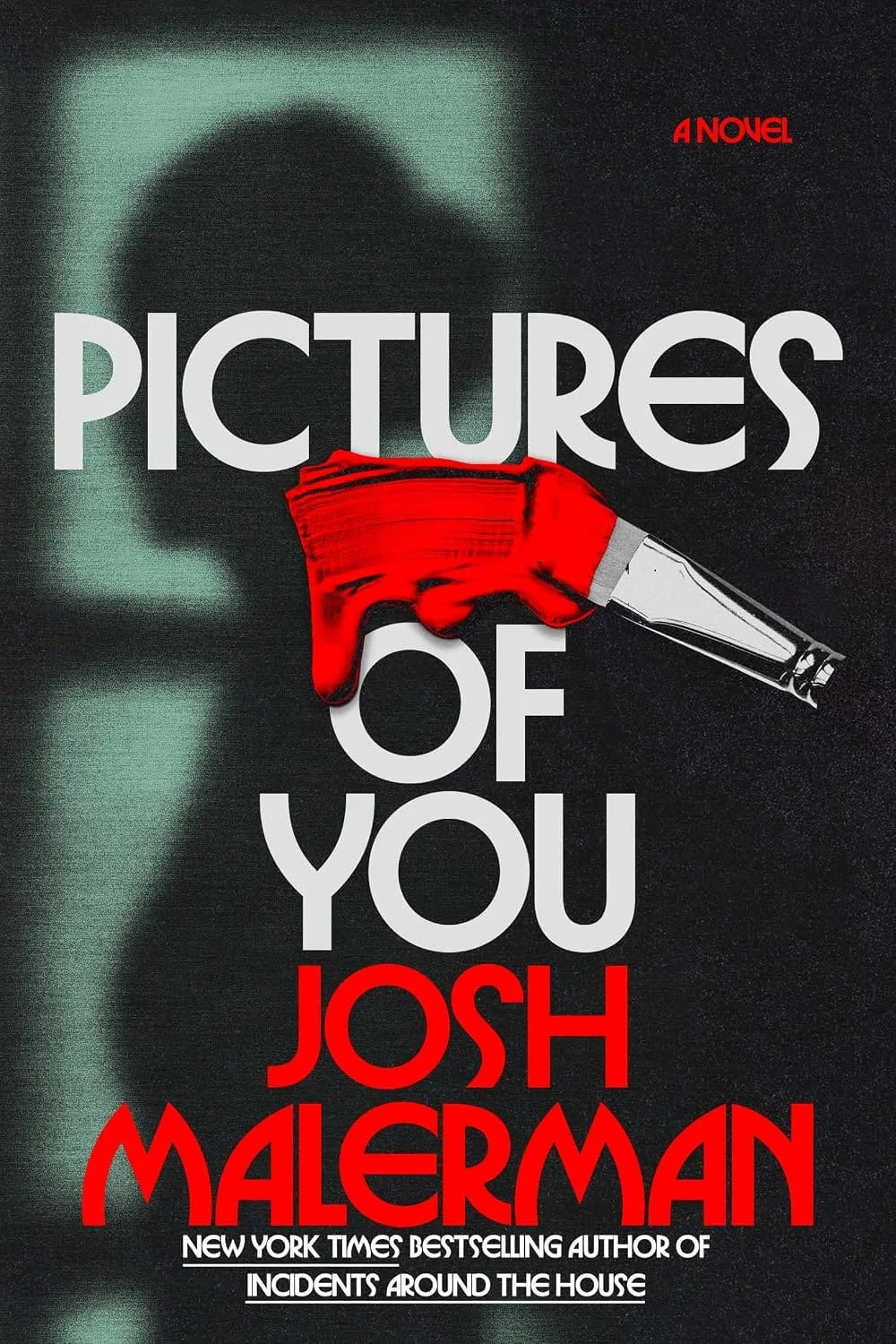
Josh Malerman’s *Pictures of You* Turns Art into a Hitchcockian Horror Trap
Description
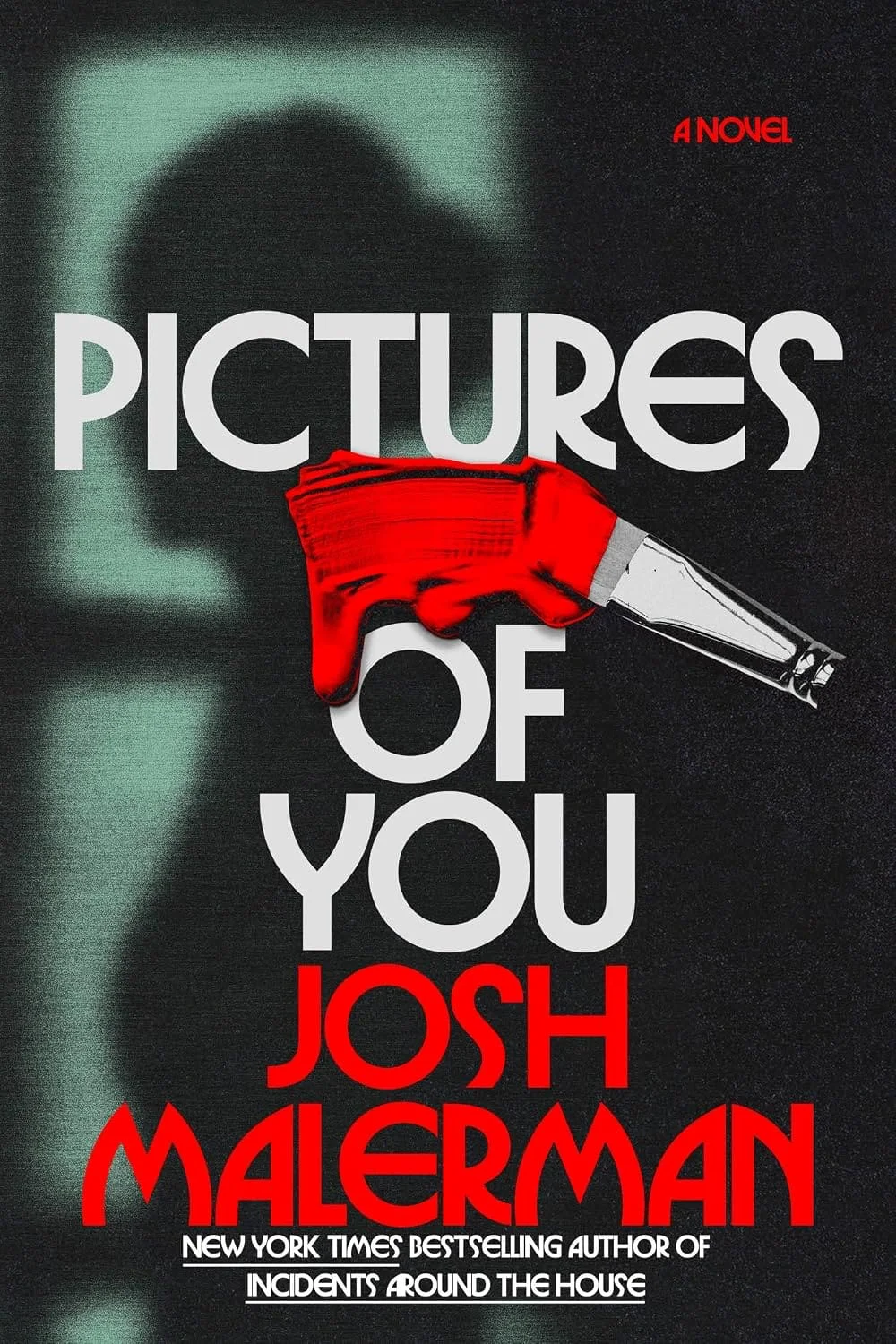
In *Pictures of You*, Josh Malerman builds an unsettling thriller around an artist’s fixation, a missing memory and a vivid cast of characters.
Rating: 7.9/10




A room becomes the artwork
Josh Malerman’s *Pictures of You* makes its central horror premise feel like a cruelly staged performance. Emily wakes in an unfamiliar bedroom after a night out with her boyfriend, Jack. The room is bright and spacious, but the colors and furnishings don’t match the hotel they had booked. She has no memory of how she got there, and Jack is nowhere in sight. Then a voice tells her to stay in bed.
Across the room, an empty frame stands on an easel. Beyond it, someone’s silhouette appears at a distance. The unseen figure seems to regard Emily as the artwork itself, and the instructions she receives shift between measured calm and unnerving demands. What first seems like a strange joke becomes a trap with Jack’s safety tied to her own. Escape will require Emily to work out what the artist wants—and to think creatively while the danger closes in.
The setup offers a tight space and a clear source of unease, but Malerman’s interest extends beyond the mechanics of captivity. The reviewer found the novel especially concerned with art, perception and the way people can become subjects in someone else’s story. The frame gives that idea a stark physical shape: Emily is asked to occupy a composition she didn’t choose, while trying to understand the mind arranging it.
Unsettling by degrees
This isn’t a thriller built chiefly on nonstop action or a steady run of scares. The reviewer describes its effect as gradual, introspective and deliberately strange. Malerman lets the situation’s oddness gather force, drawing tension from Emily’s disorientation and from the shifts in the captor’s behavior. That slower, more inward approach may frustrate readers looking for a conventional chase or a more familiar haunted atmosphere.
For this reviewer, the book’s unusual choices are part of its appeal. They describe Malerman as an author who doesn’t simply repeat the patterns readers might expect from one book to the next. Here, that unpredictability takes the story toward an artistic and psychological corner of horror. The result may divide readers: its strangeness can feel challenging, but the reviewer argues that a book’s distance from an author’s most popular work doesn’t make it a failure. A reader can find something worthwhile in a title another person considers a misfire.
The review also points to the author’s familiarity with visual art and screen adaptations of his work as helpful context for the novel’s approach. Those details are the reviewer’s reading of Malerman’s perspective, rather than a claim that the book depends on biographical knowledge. The story stands on its own, though readers interested in the overlap between literature, painting and film may find more to consider in its staging and imagery.
Characters that linger
Characterization is the reviewer’s strongest reason to recommend the book. Emily and Jack come across as lively, emotionally expressive people, while the figure controlling the scene is both compelling and disturbing. Their vividness helps ground a premise that could otherwise feel like an abstract exercise in menace. Malerman’s attention to small habits and mannerisms, the review suggests, gives these characters the texture of people rather than pieces arranged to serve a plot.
The reviewer also imagines the story visually, as if its scenes could be unfolding on screen. That quality suits a novel whose central image is an artist trying to shape a person into a work. Yet the book’s appeal isn’t limited to its cinematic potential: its character details give the strange setup emotional weight and make the relationships part of the suspense.
Who might enjoy it
*Pictures of You* looks best suited to Malerman readers who welcome a sharp turn into unfamiliar territory, as well as fans of horror, thrillers, mystery and stories about art. The reviewer compares its mood to Kealan Patrick Burke’s *Grim Portraits* and sees echoes of *Velvet Buzzsaw*, filtered through an Alfred Hitchcock-like sensibility. Those touchstones suggest a taste for macabre art-world unease and carefully arranged suspense, though they don’t make the novel a direct retelling of either work.
The reviewer received the book through NetGalley and thanks Del Rey for the opportunity. Their 7.9/10 rating reflects a distinctive, character-led reading experience with an intentionally offbeat pace. Readers seeking familiar horror rhythms may find it an awkward fit; readers who enjoy watching a strange premise deepen into questions about control, creativity and human connection may find Emily’s predicament hard to forget. Malerman’s willingness to follow an unsettling idea into its own peculiar form is the book’s defining invitation.