In lane Publishing Industry
Rethinking the Future of Science Fiction in the Wake of Space Travel Realities
Description
As interstellar travel faces insurmountable obstacles, it’s time for science fiction to evolve beyond its idealized dreams of colonizing space.
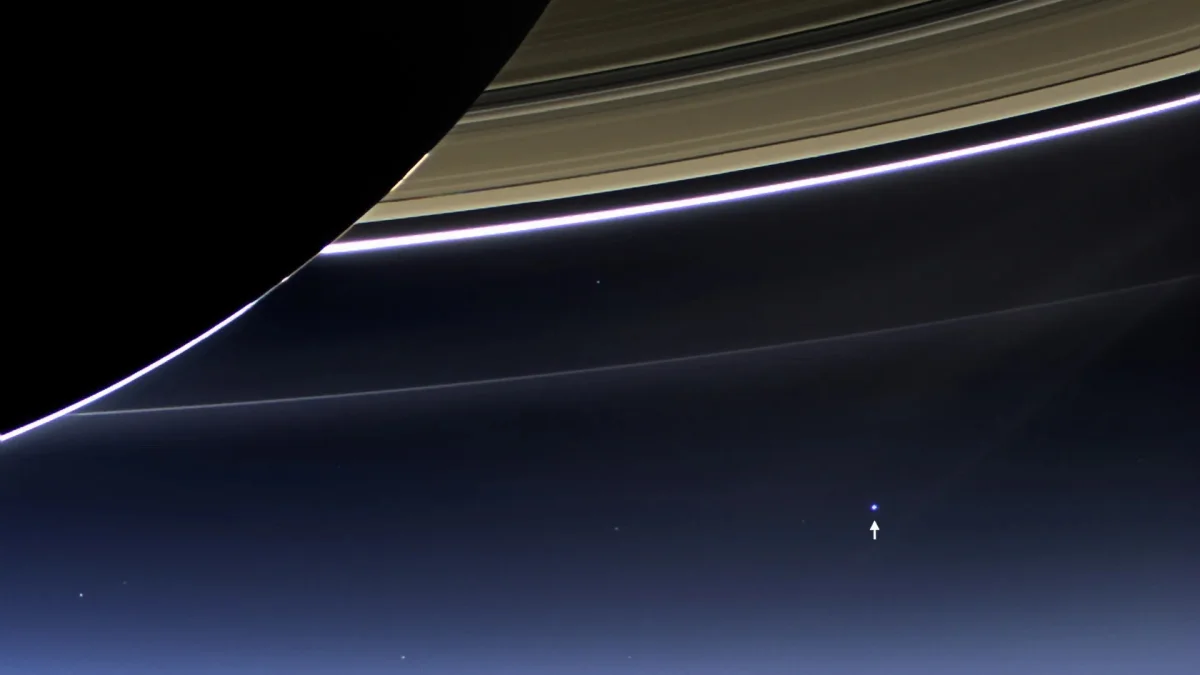
Recent conversations about the future of humanity beyond Earth have sparked a debate worth unpacking. The question that emerged is simple yet complex: What happens to science fiction when the dreams of interstellar travel and colonization of celestial bodies like the Moon or Mars collide with reality? A friend countered my musings on this topic, suggesting, "Nothing will happen to science fiction; it’s only stories." While this viewpoint reflects a certain pragmatic understanding of fiction, it overlooks the profound beliefs many readers hold about humanity’s potential to conquer space.
For decades, the notion of colonizing the Moon and Mars has captured the imaginations of many. I grew up believing in this tantalizing possibility, inspired by the speculative visions presented in various science fiction narratives. However, I’ve recently been steered toward a more sobering perspective as I watched numerous documentaries discussing the likelihood of successful interstellar travel. These explorations laid bare the daunting factors—financial constraints, technological limitations, and the harsh realities of living in space—that may render such ambitions impractical.
It’s almost inevitable that nations like the United States and China will push forward with lunar expeditions, aiming to establish permanent bases. Yet, as they delve into the realities of such endeavors, they could quickly discover that the Moon doesn’t offer the returns or comforts that space proponents predict. The same applies to Mars; despite romantic ideas about colonization, exploring Mars may soon reveal itself to be an inhospitable environment—far removed from the vibrant worlds imagined by authors like Robert Heinlein and Kim Stanley Robinson.
One thought keeps echoing in my mind: even the most adventurous pioneers might find themselves yearning for the comforts of home. The allure of pristine landscapes and endless exploration fades in the face of relentless hardship and isolation. The fantasy of a self-sustaining human presence on these celestial bodies could morph into a stark reality that feels anything but exciting. While humanity has long looked to the stars with hopeful eyes, it seems crucial to question whether these aspirations are not just childhood fantasies akin to believing in everlasting life.
The genre of science fiction has often painted an overly romanticized picture of what life in space might be. The stark reality of extraterrestrial living conditions will likely clash forcefully with the visions that have enraptured generations. What happens to our collective psyche when those dreams morph into realizations of hardship? Can science fiction evolve alongside this changing narrative, and will it present us with alternative futures that align more closely with the truth?
As we face uncertainties about human coexistence and our place among intelligent machines, one wonders whether science fiction writers can shift gears to devise plausible scenarios where machines thrive in the skies. Space is an environment suited to robots, serving functions we may not be able to endure. Yet, could we also develop feelings of resentment toward these machines if they succeed where we cannot?
America’s ongoing engagement with science fiction might represent a retreat into escapism, masking fears pertaining to our current societal decay. In contrast, countries like China seem to be crafting futures that resonate like sci-fi stories themselves. Their writers may forge narratives that explore more immediate, actionable visions for progress.
This dichotomy provides an opportunity for reflection within the genre itself. Classic series like Star Trek have long embodied hope for a future where humanity thrives beyond Earth. Meanwhile, franchises like Star Wars have offered a fantastical escape. But what’s next when we recognize that these cosmic aspirations may prove unattainable? The label of "final frontier" could feel misplaced if we abandon our terrestrial dreams.
We should strive for new aspirations that imbue a sense of hope and possibility for the future. Rather than reaching for the stars, our focus might shift to creating—feasible, sustainable frontiers that enhance life on Earth. For this to happen, perhaps a transformation in our economic systems is necessary, particularly in reducing the greed-driven models that seem to dominate our governance.
The real challenge lies in unearthing new designs for societies that coexist harmoniously with our environment, for it’s evident we often squander our collective resources on conflict rather than collusion. Ultimately, it’s worth pondering whether science fiction has indeed fulfilled its role in prompting us to envision better tomorrows, or if it’s become lost in fantastical narratives that distract us from pressing realities. A conscious departure from these imaginative “black holes” to tackle our genuine challenges will undoubtedly signal a new chapter in both humanity's narrative and the science fiction genre itself.
James Wallace Harris, 8/20/26