In lane Genre Fiction
Exploring the Depths of M. John Harrison's 'The End of Everything'
Description
M. John Harrison's 'The End of Everything' intertwines literary and science fiction elements, prompting readers to question reality and society—recommended for both genres.

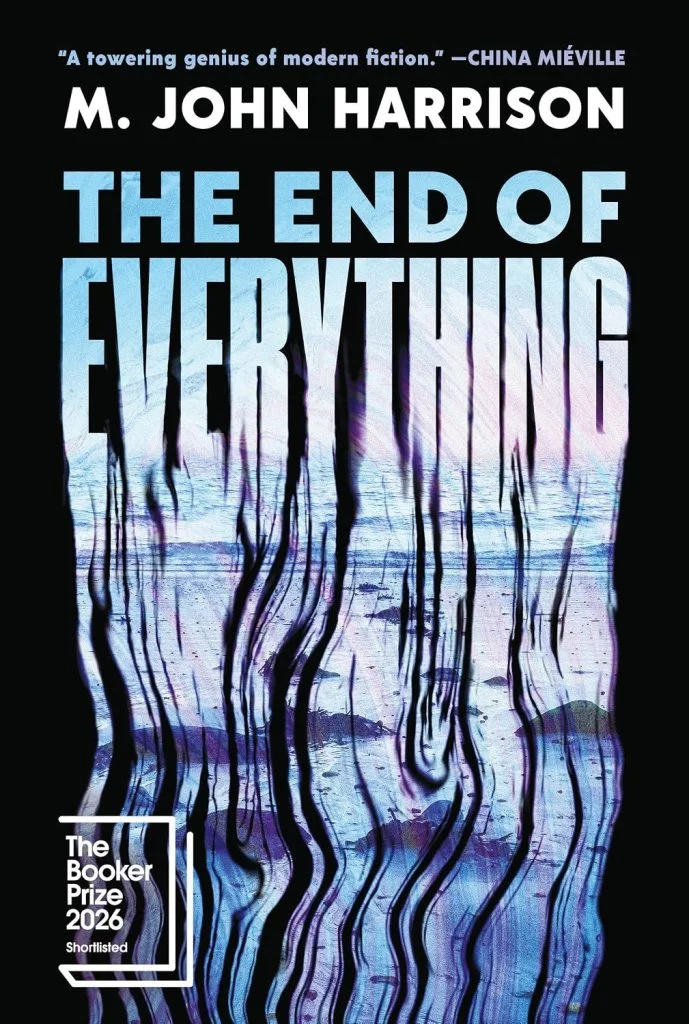
The End of Everything by M. John Harrison is an intriguing addition to contemporary literature and is currently a finalist for the prestigious 2026 Booker Prize. At around 200 pages, its length makes it a quick read, either in print or through its audio version, which clocks in at just under four hours. Nevertheless, potential readers might benefit from sampling the book via Amazon before making a purchase. Reviews from respected sources like Locus Magazine and The New York Times can also provide valuable insights.
The Complexity of Genre
Describing The End of Everything presents a challenge, as it straddles the line between science fiction and literary fiction. While it may seem at first glance to be a tale of alien invasion, the narrative might not satisfy dedicated science fiction enthusiasts. Conversely, those drawn to literary works might find its science fiction elements somewhat overwhelming. Harrison crafts a narrative that prompts readers to question its classification—should it be viewed as an allegory about societal decay or a straightforward sci-fi narrative?
Characters and Their Journey
The story centers on Philip, a 38-year-old man, and his 70-year-old aunt, Marnie, as they encounter an alien artifact during a beach retreat. Their individual and shared experiences allow for a deep dive into their characters and the unfolding mystery of the aliens. Initially described as blobs of protoplasm, these beings evolve, eventually taking on human-like forms and even acquiring the ability to communicate in English. The ambiguity surrounding their origins keeps readers questioning whether they hail from another planet or dimension, or if they serve as metaphors for contemporary issues.
Echoes of Literary Masters
While engaged with The End of Everything, echoes of literary giants such as J. G. Ballard and Brian Aldiss resound, particularly reminiscent of the New Wave science fiction movement from the 1960s. The novel's surreal and metaphorical nature positions it as a worthy companion to past classics, suggesting a lineage of thought and creativity in science fiction narratives. It's plausible that Michael Moorcock would have featured Harrison's work prominently in the pages of New Worlds during this celebrated era.
A New Perspective for Aspiring Authors
For many in the literary world, The End of Everything provides a fresh perspective that might resonate more than what Harrison has traditionally received from sci-fi readers. As trends fluctuate within literary circles, many literary authors have begun to adopt themes and ideas from science fiction, blurring the lines between these two genres. Young science fiction writers are encouraged to look beyond the confines of traditional science fiction magazines for inspiration, turning instead to hybrid novels like this one or works from notable contemporary authors such as Ian McEwan and Emily St. John Mandel.
Reflecting on Modern Science Fiction
The landscape of modern science fiction has evolved, often leaning heavily on popular culture references from movies, television, and gaming. This approach can often make the genre feel stale or recycled. Harrison’s work, however, challenges readers and writers alike to rethink their sources of inspiration. Great science fiction should resonate with the realities of the current world while breaking free from the constraints of outdated tropes.
A Bittersweet Exploration
Readers accustomed to the more uplifting tones of contemporary science fiction may find The End of Everything to be a somber exploration, one that resonates with the complex and sometimes bleak realities of our times. Despite this, not all impactful narratives need to conclude on a hopeful note. Reflecting on examples like Station Eleven or even the strikingly dark The Handmaid’s Tale, there is value in exploring themes of survival and the potential for redemption through difficult circumstances. Harrison's ending remains open to interpretation; some might view it as a harbinger of decline with a flicker of hope, while others may see only despair.
Final Thoughts
M. John Harrison’s The End of Everything presents a rich tapestry for readers, blending genres and offering a multitude of interpretations. Its capacity to stir discussions about our reality versus metaphorical concepts speaks to its strength as a piece of literature. Whether you lean toward science fiction or literary fiction, this book offers insights that are worth exploring. In a world craving innovative works, perhaps it holds the key to reigniting the New Wave of science fiction—inviting us to rethink the narratives we tell and consume.