In lane Authors & Interviews
Exploring Language and Identity in Ai Jiang's "Give Me English"
Description
Ai Jiang's "Give Me English" offers a thought-provoking take on language and identity through a speculative lens, blending metaphor with the immigrant experience.

“Give Me English” by Ai Jiang: A Reflection on Language and Immigration
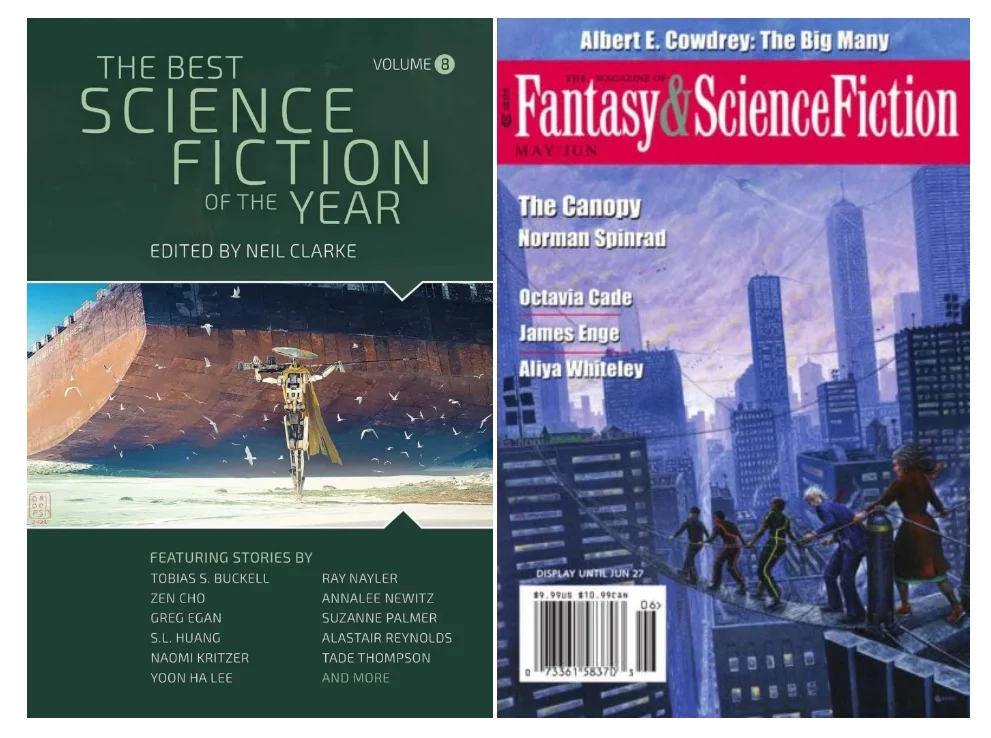
In "Give Me English," featured in The Best Science Fiction of the Year: Volume 8, edited by Neil Clarke, Ai Jiang embarks on a journey that transcends mere narrative to delve into the complexities of language and identity amid the immigrant experience. Set in a future where communication and survival depend on a unique currency—words traded through a brain-based language database—this story poses critical questions about the immigrant's struggle for connection and the commodification of language.
Meet Gillian, an immigrant from China who navigates life in New York City, longing to adapt and thrive in her new environment. Faced with the pressures of an unforgiving educational system back home, she seeks refuge in America, hoping to learn English as a means of building a better future. However, in this dystopian reality, words carry weight well beyond semantics; the impoverished must sell their native language— Chinese words in Gillian's case—to acquire English ones necessary for daily survival. This harrowing reality draws a parallel to the sacrifices many immigrants make in their pursuit of acceptance and upward mobility.
Gillian’s plight is compounded by her friend Jorry, who thrives in this new world by gambling with words, winning and losing his way to fluency and financial stability. Their relationship illustrates the moral dilemmas faced by those trying to get ahead while retaining their cultural identities. Gillian’s reluctance to accept Jorry's assistance speaks volumes about her determination to maintain her independence, even at great personal cost.
For additional insights into Jiang's intentions and the ideas behind her story, check out Ray Naylor's interview with her, which further sheds light on the nuanced themes of "Give Me English."
A Deeper Reflection on the Nature of Science Fiction
Jiang's narrative seamlessly blends metaphorical storytelling with speculative elements, earning it recognition through nominations for prestigious awards such as the Nebula and being a finalist for the Locus Award. Yet, it's worth pondering how such stories fit within the broader landscape of science fiction today. The contention holds that "Give Me English" might not conform to traditional definitions of the genre. Here lies a fundamental question: Is this tale truly science fiction, or could it find a more suitable home in the realms of literary fiction?
The futuristic setting—characterized by the existence of a language database and the trading of words—invites speculation while simultaneously challenging the reader's understanding of the future. However, one cannot ignore the fact that these ideas become increasingly fantastical the more they stray from reality. As readers, we are left to contemplate whether the story's premise genuinely reflects plausible extrapolations of future societies or if it indulges in whimsical fantasies.
Indeed, "Give Me English" embodies a modern shift in science fiction as a genre that now encompasses a diverse range of narrative styles and themes. In the past, science fiction was defined by its exploration of possible futures grounded in scientific reasoning. Riveting stories such as those published in Galaxy or F&SF often posed daunting questions about humanity’s trajectory—questions concerning technology, exploration, and societal evolution. However, the emergence of stories like Jiang's suggests that the genre today may prioritize emotional resonance over speculative solidity.
Misgivings about the contemporary state of science fiction emerge as one reflects on the increasing prevalence of fantastical narratives. The first few stories in Clarke's anthology, like "Give Me English," do not firmly believe in a future that can be realistically envisioned. Instead, it seems we may have entered a new era where imaginative freedom reigns supreme, and the boundaries of future predictions become blurred.
Yearning for True Speculation
As a seasoned reader, I find myself grappling with this evolution. The stories that once captivated me did so largely due to their grounding in speculative reasoning. Writers of yesteryear often relished the challenge of projecting current understandings into the future, creating plausibly intricate worlds fueled by hope and imagination. Yet, the question persists: have writers and readers collectively disengaged from envisioning a hopeful future?
Despite the changing tides, many enthusiasts still yearn for narratives that not only incorporate speculative elements but also provoke profound meditations on our reality. It’s essential that modern science fiction engage with contemporary issues, including technology, society, and evolving understandings of the universe. The challenge remains: how do we capture the essence of plausible futures when our present is rife with uncertainties?
The discussion is far from exhausted. While my understanding of what defines science fiction might now represent a minority view, it highlights a necessary conversation about the potential—and limitations—of speculative fiction today. "Give Me English" may stand as a beacon of this ongoing exploration, serving not only as a powerful story but also as an entry point into the broader conversation about the genre's future. We must continue speculating about the world to come, lest we allow the boundaries of our imagination to dwindle away.
Indeed, as we navigate a future that presents both challenges and opportunities, the pursuit of credible speculative fiction remains an important endeavor. Whether through metaphor or technology, the need to engage deeply with our realities will continue to shape the narratives we choose to explore.
- JWH