In lane Genre Fiction
Exploring the Significance of a 1918 Christmas Card from the American Expeditionary Force
Description
A Christmas card penned by a soldier in 1918 reveals personal connections and historical context from the end of World War I.
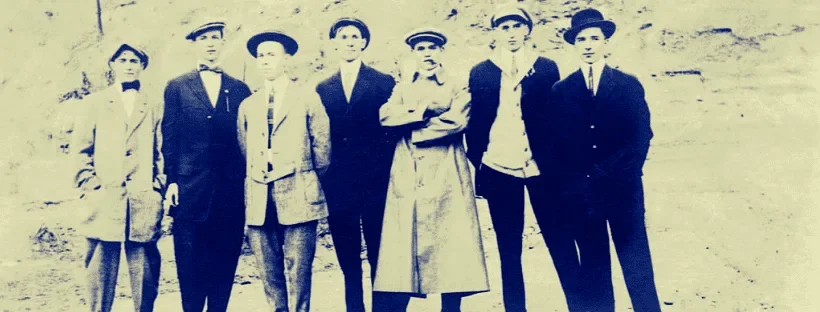
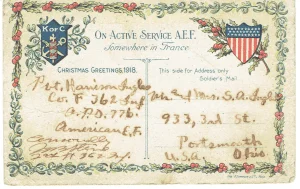
At first glance, a Christmas card might seem like an ordinary object, but its true value often lies within the story it carries. This particular card, crafted by my father while serving as a soldier in the American Expeditionary Force (A.E.F.) in 1918, takes on immense significance for me, as it embodies not just a festive greeting but also a poignant moment in history, following the Armistice that marked the end of World War I.
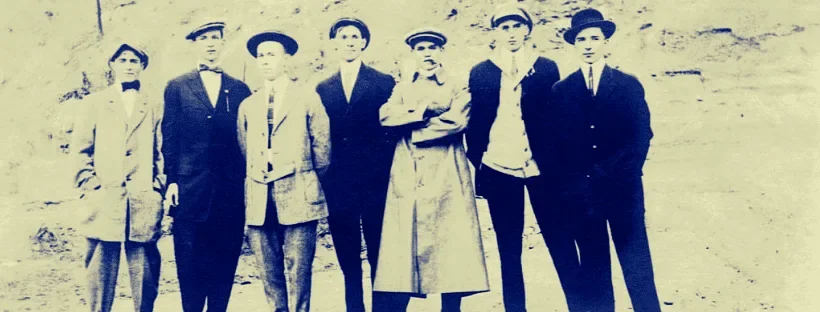
This card offers a glimpse into the emotions of a soldier stationed overseas, far from home during a time of transition and uncertainty. The inscription at the top of the card reads, "On Active Service, A.E.F., Somewhere in France." This simple yet profound statement grounds the card in a significant historical context, evoking the collective experiences of soldiers who fought valiantly in the trenches. The A.E.F. designation, referring specifically to the American forces deployed to Europe, places my father among the many young men who answered the call of duty during a tumultuous time.
Through this lens, we can appreciate how a Christmas card becomes more than just paper and ink; it symbolizes hope, connection, and the human desire for family and camaraderie amidst the backdrop of war. Written shortly after the Armistice, this card captures a fleeting peace, a moment when soldiers could pause and reflect on home while conveying their good wishes to family members, such as my grandparents.
Historically, the end of World War I in November 1918 marked a significant turning point not just for soldiers but for society at large. Soldiers returned home with a range of experiences — some filled with joy and relief, others with loss and trauma. The Christmas season that year would have sparked a blend of sentiments: gratitude for survival, sorrow for fallen comrades, and a yearning to reunite with loved ones. My father's card resonates with these emotions, offering a personal connection to a shared experience among many families impacted by the war.
Cards like this often offered a brief respite from the memories of the battlefield. They were a means of expressing the feelings that could not always be communicated verbally—thoughts on love, longing, gratitude, and the desire for peace. While the date may fade over time, the context of these messages prevails. My father's card might simply convey festive greetings, yet it embodies resilience, a shared familial bond, and the ever-present hope that the holidays could still be celebrated despite the adversities faced.
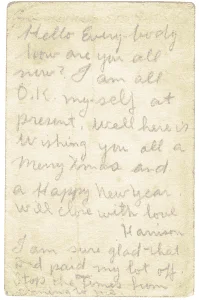
The visuals of the card also enhance its nostalgic value. The imagery and design may reflect the styles of the era, embodying artistic trends of the late 1910s. For today's audience, such artifacts serve as a tangible reminder of the past, helping to construct a narrative around a family’s history during significant global events. This particular piece of history not only shows my father’s artistry, but it would also have borne the marks of the time—perhaps even the wear from being carried through the war-torn landscapes of Europe.
Additionally, this card serves to contrast the modern Christmas tradition with its historical underpinnings. Today, holiday greetings often come in a flurry of digital messages, but the discovery of such handwritten sentiments evokes a sense of authenticity and importance. This emphasis on human connection resonates deeply, especially when juxtaposed with modern forms of communication, which can sometimes feel fleeting or impersonal.
In essence, every family holds these keepsakes—the letters, postcards, cards, and messages—found in shoeboxes or tucked away in attic drawers, each telling stories of heart, loss, and memory. As I reflect on my father's Christmas card, I am reminded of the enduring nature of these tiny records of life: they preserve the essence of who we were and what we felt during pivotal moments in our history.
Ultimately, this card is a relic that transcends its physical characteristics, offering valuable insights into family dynamics, the social fabric of the era, and a soldier’s personal journey. It serves as a testament to the enduring bonds between parents and children, especially during the holidays when such connections are most keenly felt. While I may not have more to add about the card's specifics, it remains a cherished memento, an invitation to remember the strength of the human spirit and the ties that bind us together, even in the face of adversity.
READ "The Forties & The Fifties" by H.D. Ingles
The post A Christmas Card appeared first on H.D. Ingles.