In lane Authors & Interviews
Exploring Grit and Melodies in Daniel Weizmann's *The Last Songbird*
Description
Daniel Weizmann's *The Last Songbird* combines LA noir elements with heartfelt melodies, centering on a Lyft driver turned amateur sleuth on a quest for justice.

At the intersection of gritty storytelling and the soothing undercurrents of music, Daniel Weizmann’s latest novel, The Last Songbird, presents a fresh take on the LA noir genre. In this evocative narrative, Weizmann weaves themes of personal redemption, creative aspiration, and the quest for justice into a modern tapestry that resonates deeply with readers.
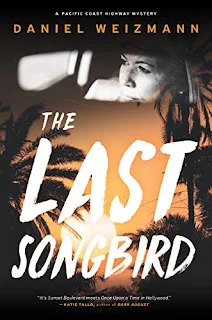
Set against the backdrop of Los Angeles—where every street corner tells a story of ambition and despair—the novel follows Adam Zantz, a Lyft driver and aspiring songwriter. His nights are filled with soaring melodies and poignant lyrics that are framed by the harsh realities of the city he navigates. This intriguing blend of character and setting forms the essence of the narrative, showcasing how creativity persists even in the unlikeliest places.
Heartache & Humanity
The narrative kicks off with hints of nostalgia that evoke classic tunes about love and loss. Annie Linden, portrayed as an aging yet vibrant folksinger, becomes a pivotal figure for Adam. Their relationship grows in the cramped confines of his car, where he shares his original songs, finding solace in her belief in his talent. However, tragedy strikes when Annie is murdered, thrusting Adam into a world shaped by betrayal and violence.
Weizmann doesn’t flinch from dark themes, exploring drug-fueled escapades and the twisted secrets that lie beneath the surface of Hollywood glamour. Yet, amid this chaos, there exists a thread of kindness and connection. Adam’s determination to find Annie’s killer becomes not just a mission for justice, but a tribute to the hope she instilled in him. “She was a songwriter’s songwriter, a taker of lyrical chances,” Adam reflects, capturing the heartache that drives him forward. His journey serves as a reminder that art can be a refuge even as it reflects life’s complexities.
Cultural Nuances and Humor
Weizmann enriches the storyline with cultural nuances that give depth to Adam's character. As a Jewish protagonist, Adam interacts with a vibrant cast of friends, including Ephraim Freiberger, lovingly nicknamed Double Fry. The humor embedded in their exchanges—particularly around the ethical boundaries of his paparazzi friend's work—infuses the narrative with levity, even as darker themes loom. This dynamic demonstrates how community and shared cultural backgrounds can support individuals grappling with life's heavy burdens.
A Quest for Justice
With Annie's death as the catalyst, Adam’s transformation into an amateur detective represents a significant shift in the narrative. His motivation stems from a mix of guilt, loss, and a fierce desire to honor Annie's belief in him. "I owe her—for giving me hope when I had zero," Adam asserts, encapsulating a universal emotional struggle. This ambition thrusts him onto a path fraught with danger, forcing him to confront not only the mystery of Annie’s murder but also his own deep-seated fears.
One of the novel’s strengths lies in Weizmann’s ability to craft a character who embodies the struggle to reconcile aspiration with reality. Adam’s attempts to navigate the treacherous waters he finds himself in—while maintaining his moral compass—resonate with anyone who has faced overwhelming odds. This depiction of a flawed yet determined protagonist captures the essence of noir, where the struggle for truth often ventures into morally ambiguous territory.
Musical Threads Throughout
Beyond the crime-solving and investigation, The Last Songbird intertwines a carefully curated playlist of songs that serves as a backdrop to Adam’s journey. This unique element not only enhances the reading experience but also ties back to the emotional core of the story—music as both a muse and a means of connection. The mention of iconic artists like Van Morrison and Bob Dylan deepens the lyrical resonance of the narrative, elevating its exploration of creativity amid turmoil.
In what could be considered a departure from traditional noir endings, Weizmann offers readers a glimmer of hope intertwined with poignant introspection. The resolution brings Adam closer to the truth about Annie, while simultaneously inviting an exploration of his own creative potential. Instead of succumbing to despair, Adam emerges transformed, carrying forward the legacy of the “last songbird” as he continues to channel his grief into art.
The Last Songbird is more than just a genre novel; it's a tapestry of human experience that speaks to the enduring power of song, the complexity of relationships, and the push and pull of personal motivations. Weizmann's vibrant prose and insightful character development invite readers to connect with the richness of life in a city where hope and desolation coexist. As Adam Zantz drives through the sprawling landscape of Los Angeles, his story becomes a meditation on love, loss, and redemption—elements that resonate deeply in all of us.
For readers seeking a compelling blend of crime fiction and heartfelt storytelling, *The Last Songbird* stands out as a noteworthy addition to the contemporary noir landscape, challenging us to remember that even in our darkest moments, the melody of hope continues to play.


