In lane Book Reviews
Exploring Family, Grief, and Identity in Joseph Olshan's MILO'S RECKONING
Description
Joseph Olshan's MILO'S RECKONING weaves a poignant narrative of loss and self-discovery set against the backdrop of evolving societal norms.

In Joseph Olshan’s new novel, MILO'S RECKONING, the journey of grief unfolds in a manner that feels both contemporary and reflective of a bygone era. Set in 1994, it’s remarkable how the narrative shines a light on the profound shifts in cultural acceptance and familial dynamics over the last three decades.
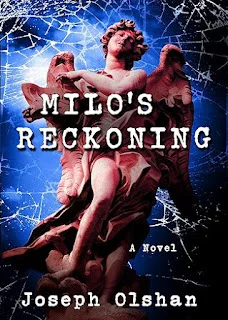
The story follows Milo Rossi, a graduate student specializing in Italian literature and language. His academic pursuits are overshadowed by personal loss when he confronts the sudden death of his mentor, Lenny D’Ambrosio. Initially ruled a suicide, Lenny's death leaves Milo grappling with disbelief and a sea of unanswered questions—particularly since the two had engaged in intimate discussions about life, literature, and the concept of survival especially as explored by Primo Levi, a Jewish writer reflecting on the Holocaust.
“So what did you want to tell me?” Milo pressed Lenny during their last drive together, sensing a conversation unfinished. “Let’s talk about it in the morning. Call me when you get to your office.” This haunting exchange lingers, leaving Milo puzzled if Lenny truly contemplated suicide, especially knowing he would never answer that call.
Milo’s sheltered upbringing hasn't prepared him to confront the police detectives investigating Lenny's death, especially when one of them had ties to Milo's father. The specter of loss looms large, compounded by the death of Milo's brother, Carlo, whose own life choices remained shrouded in secrecy. The intersection of these two deaths compels Milo to reconcile his unresolved feelings toward his brother, as well as the reality of his family’s rigid traditions.
Societal Shifts and Personal Reckoning
The narrative deftly navigates the theme of cultural change, particularly the societal perception of LGBTQ+ identities. In the context of his brother’s life, Milo experiences a painful awakening. Carlo's death disrupts any chance of understanding him better. As Milo digs deeper into the mystery surrounding Lenny's demise, he simultaneously uncovers the troubling truth about Carlo’s life, including the possibility that he was gay. This revelation would have inflicted a profound blow to their traditional Italian mother, Rose Marie, who has her life intricately tied to family expectations through her culinary traditions and home-centric lifestyle.
This exploration into familial relationships sheds light on the difficulties faced by many families in accepting diverse sexual orientations. Olshan seems to crystalize a pivotal question: Are we regressing in acceptance, as notions of love that deviate from the norm are framed as "other" by various social forces? Milo's frustration is shared by many—a fear that hard-worn acceptance could once again be challenged.
A Layered Exploration of Crime and Identity
While the novel enriches itself through its literary elements, it does not shy away from darker themes typical of Olshan's previous works, such as Cloudland and Black Diamond Fall. As Milo grapples with Lenny’s death, he discovers Lenny bears a disturbing sexual videotape that tugs at threads of intrigue involving international trafficking. This revelation propels Milo on a journey to Italy—a place that embodies both a personal and a cultural reckoning. Escaping from the constrictive expectations of home, he seeks answers not only about Lenny’s mysterious death but also about his brother’s life, filled with complexities that defy their family’s rigid norms.
Olshan’s writing resonates with a lyrical quality, evoking the essence of Italian literature through an American lens. His sentences glide smoothly, almost as if they were translated from Italian. It’s a stylistic choice that amplifies the tensions within Milo’s quest for understanding, merging literary discourse with deeply personal struggles. As Milo steps into the shadows of his life, he grapples not just with the loss of his mentor, but a reevaluation of his identity and familial loyalty—always questioning what it means to embrace the truths of those he loved.
Looking Ahead
MILO'S RECKONING is set to be released by Green City Books on June 10, 2025, in hardcover spanning 284 pages. For readers interested in a deep dive into what binds family love and societal acceptance, Olshan's latest work offers a timely, introspective narrative that prompts essential conversations about identity, loss, and the inherent complexities of love.