In lane Book Reviews
A Gripping Blend of Crime and Sci-Fi: Eric Rickstad's REMOTE: THE FIVE
Description
Eric Rickstad’s REMOTE: THE FIVE, the follow-up to REMOTE: THE SIX, combines crime fiction with chilling sci-fi elements, deepening the suspense for avid readers.

Eric Rickstad’s REMOTE: THE FIVE, the highly anticipated sequel to REMOTE: THE SIX, hits shelves just in time for summer reading, showcasing a well-timed release by author and publisher Blackstone Publishing. Following up on the intriguing events of the first book, this new installment promises to keep readers on edge as the narrative unfolds.
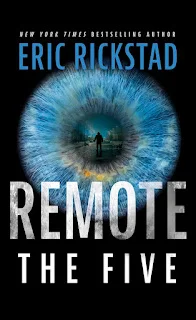
For those who might be jumping in without reading the first book, there are two pivotal premises that form the foundation of the Remote Series. The first centers around the chilling actions of serial killers targeting entire families, with FBI Special Agent Lukas Stark leading the charge to unveil their identity. However, the motivation behind these horrific acts intertwines with the second premise: a group of individuals, one of whom is Gilles Garnier, possesses a unique ability—the power of "remote viewing," which allows them to see and hear events happening far away. This psychological edge creates a landscape of danger and desperation, as these characters navigate moral ambiguities and their own dark impulses.
Rickstad’s narrative is rooted in historical context, with the concept of remote viewing drawing from a real-life CIA research program. This infusion of authenticity lends an edge of credibility to the story, even as it ventures into speculative fiction. The setting becomes a hybrid of crime and a dystopian future, beckoning readers drawn to current global unease and the darker sides of human nature. It’s a captivating space where suspense and science fiction coalesce, making for a gripping read.
As the story begins, the plot thickens when another remote viewer, known only as S, is implicated in the murders of two MIT researchers specializing in bioengineering. These researchers have ties to modifications in genome studies, suggesting a sinister link to Garnier's motives and the overarching program. The mystery deepens as Stark and Garnier follow their separate threads, each driven by an intuitive sense that pushes them forward—despite the dangers to their own lives and loved ones. Stark finds himself increasingly lost in his obsession, risking everything and proving that his job's toll impacts not only him but also his family.
The psychological landscape of REMOTE: THE FIVE mirrors Stark’s internal struggle, unveiling themes of trauma and responsibility. Readers are introduced to characters wrestling with their pasts, particularly Stark, whose childhood experiences cast long shadows over his judgment and decision-making. As he returns again and again to pursue these dangerous leads, his inability to disconnect from the case unravels deeper layers of tension and excitement throughout the narrative.
Rickstad maintains a particularly dark and noir-esque tone throughout the book. The unresolved threads in this installment may frustrate some readers who prefer neatly tied conclusions, yet they heighten the anticipation for future installments. The ending leaves readers with lingering questions—about the nature of power, addiction, and the dire consequences of pursuing such abilities. Thus, it becomes clear that this series is set for more developments and revealed mysteries in possible future books.
A notable aspect of Rickstad’s writing is how he handles suspense—drawing parallels between criminal psychology and emotional turmoil. The author doesn’t shy away from exploring the darker impulses within his characters, making it a compelling read for fans of psychological thrillers. Readers are left to ponder not just who the killers are, but the psychological factors driving these individuals to commit such heinous acts.
Returning to the thematic exploration, the concept of addiction—specifically the addiction to power—permeates the narrative. As remote viewing proves not only to be a gift but a curse, characters grapple with the implications of their abilities. The drive to assert control or regain lost faculties leads to morally ambiguous choices that leave readers questioning the reliability of their protagonists.
For those who enjoyed the tension and complexity of REMOTE: THE SIX, Rickstad successfully builds on that foundation with REMOTE: THE FIVE. It’s a tale that offers both thrills and depth, leaving enough unresolved to spark curiosity about the next installment. Rickstad’s ability to weave thrilling plots with thought-provoking themes promises a bright future for the Remote Series.
In conclusion, while the narrative arc of REMOTE: THE FIVE may leave readers yearning for resolutions, it effortlessly captivates with its blend of crime fiction and speculative elements. As the threads dangle for book three, the anticipation only grows—making it an exhilarating read worth returning to as the series develops. Readers are sure to keep their eyes peeled for the next chapter in this disturbing and engrossing saga.