In lane Authors & Interviews
Maya Tatsukawa on Finding a New Path in Sugar Glider Lights a Way
Description
Maya Tatsukawa discusses the creative pivots, handmade textures and personal experiences behind Sugar Glider Lights a Way, the third book in her picture-book series.

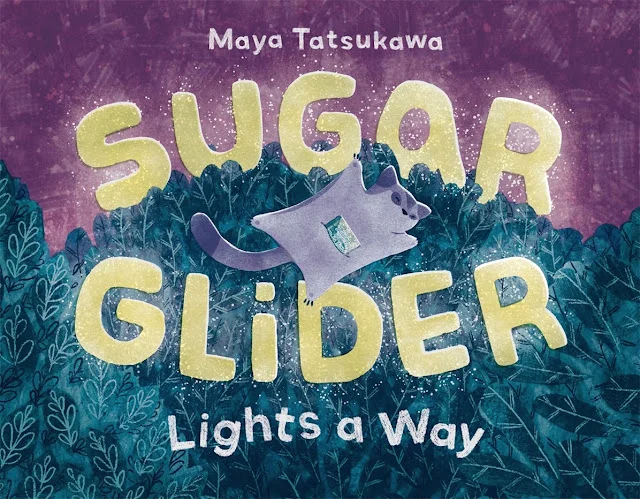
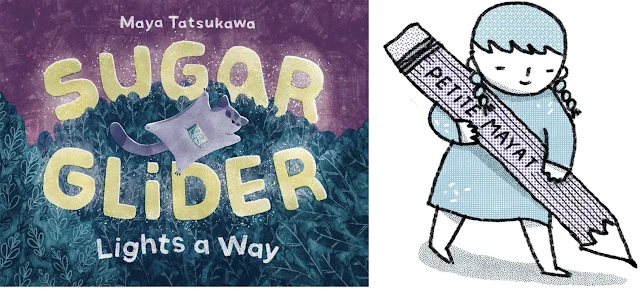
Maya Tatsukawa’s Sugar Glider Lights a Way turns a familiar creative problem into a gentle nighttime adventure: what happens when the route you planned stops working? The third picture book in a visual series, it follows Sugar Glider’s search for the moon, then finds its warmth in the other sources of light waiting in the forest. Tatsukawa says the book’s making led her to the same lesson as its protagonist: staying open to another way forward can help a story find its shape.
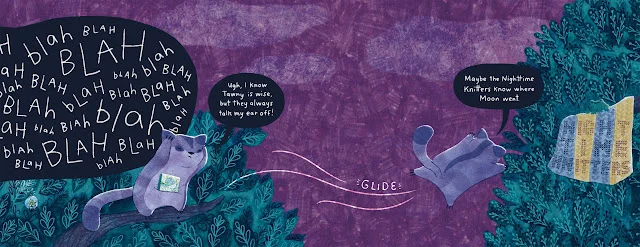
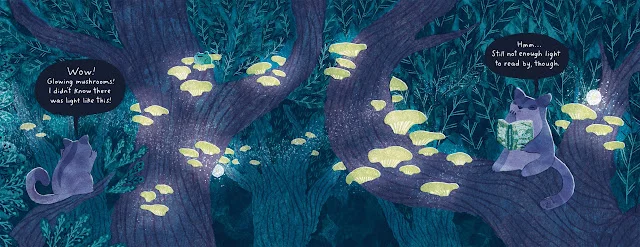
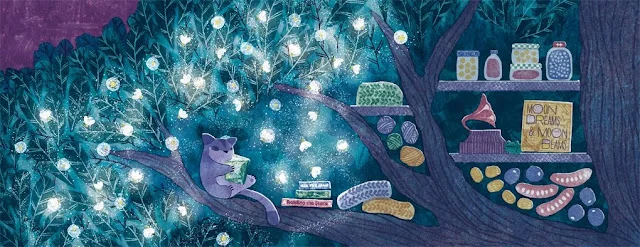
Sugar Glider sets out to read by moonlight, only to find the moon missing. The search takes the character through trees and behind clouds, among glowing mushrooms and fireflies. As those lights gather, Sugar Glider discovers that the forest may offer everything needed for a comfortable reading nook. The premise gives the story a clear visual journey, while leaving room for the small discoveries along the way to carry the experience.
A story that changed course
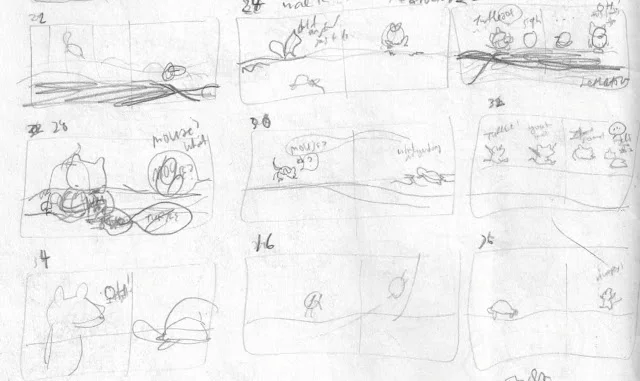
The book began with different characters and a different setting: a turtle and a mouse on a riverbank. Tatsukawa eventually set that version aside because its setting felt too close to Mole Is Not Alone. The books connect visually through settings that loop across each story, and she wanted this new one to have its own atmosphere.

Her early sketches show how much the idea shifted. Tatsukawa tried moving the story to the treetops, with a squirrel at its center, but found herself holding too tightly to the original narrative. In one attempt, a flying squirrel chased its next story idea. The concept made her laugh, but it still wasn’t the book she was trying to make.
Early thumbnail sketches from the book’s development.
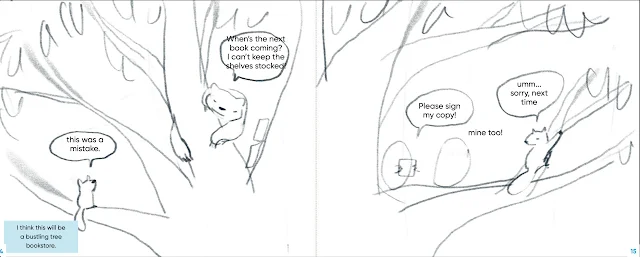
An early squirrel character, imagined as a bestselling author.
A conversation over dinner with editor Dana Chidiac and art director Mina Chung helped Tatsukawa see the story’s underlying idea more clearly. She had been trying to get from one point to another in a single, predetermined way, even though different routes were possible. The flying squirrel became a sugar glider, and the pursuit of a story idea became a chase after the moon. That shift gave the book its central image and helped Tatsukawa finish her own project as Sugar Glider finds a way to read.
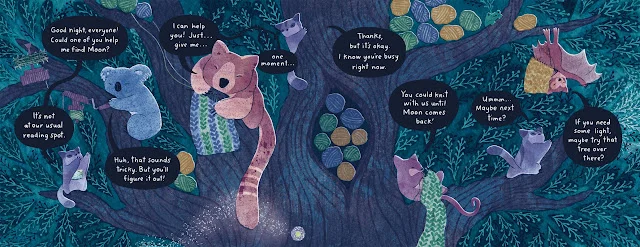
Research helped shape the world around the main character. Once Sugar Glider was in place, Tatsukawa looked to its natural habitat for the setting and supporting animals. The creatures are nocturnal and can also be found in Australia’s Daintree Rainforest. She describes the result as informed by animal research, while acknowledging that the book isn’t a fully exact portrait of nature. Each project, she says, adds to her store of animal facts.
Three stories, three stages of a life
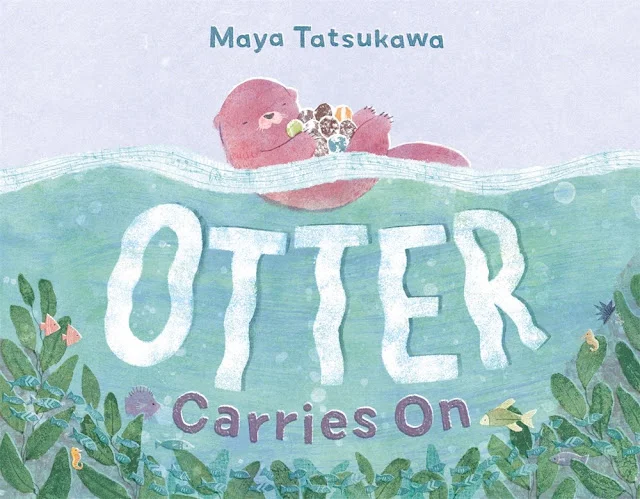
Tatsukawa’s friendship with art director Mina Chung reaches back to their early careers working together at Dial Books. They’ve joked about how the three books reflect different parts of Tatsukawa’s life. Mole Is Not Alone draws on her experience of being shy and introverted, and her comfort with those traits. Otter Carries On connects to a difficult period. Sugar Glider Lights a Way speaks to where she is now: opening herself to different options and learning to pivot.
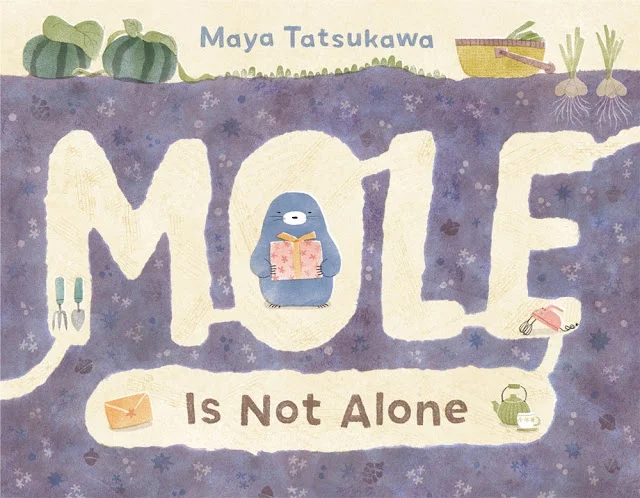

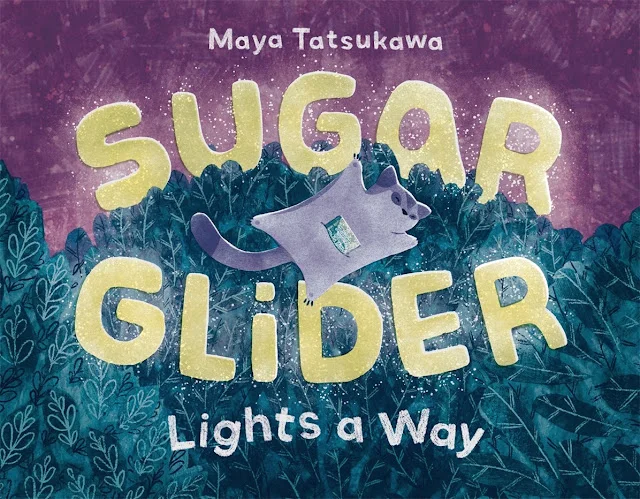
She once thought Sugar Glider would close the series. Then another idea arrived, though she’s keeping its details to herself for now. It will take time to develop: in Tatsukawa’s words, the idea is waiting for her future self.
Collaborating across words and pictures
Tatsukawa finds writing words harder than making images, so illustrating someone else’s text can free her to focus on the visual work. Her illustrator-only picture books, however, are collaborations that start unusually early. She works with the author before the project is acquired by a publisher, developing the story together and shaping both text and sketches for the submission dummy.
That process can mean more work than a typical author-and-illustrator arrangement, she says, but it also gives her more say in what she’ll illustrate. Tatsukawa doesn’t recommend the setup as a universal model. She and her collaborators have experience in traditional publishing, she says, and are careful not to cross into one another’s roles: she doesn’t edit the author’s words, and the author doesn’t art direct her illustrations. Their agents also help manage difficult conversations.
Making a night scene readable
Color proved to be the toughest part of Sugar Glider Lights a Way. Tatsukawa likes using unexpected colors for animals and settings because it loosens the pressure to reproduce nature exactly. But a nighttime story without moonlight presents a practical challenge: keep the scene dark enough to feel like night, yet clear enough for readers to follow.
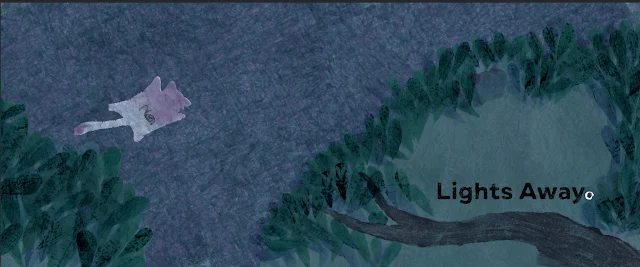
One early attempt left too little distinction between the trees and sky.
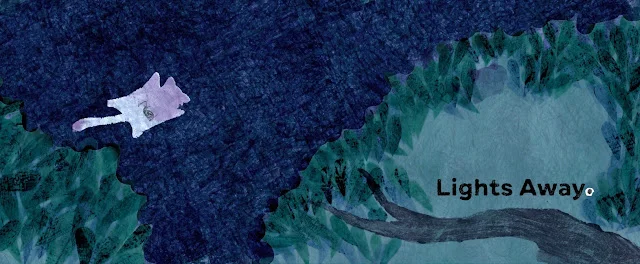
A conventional dark blue sky didn’t give the scene the interest she wanted.
Her instinct is to work with muted, similar tones, but the first test proofs weren’t succeeding. She had to push the saturation further than she usually would. A friend helped her find a balance, and the final colors give the scene the contrast and brightness it needed.
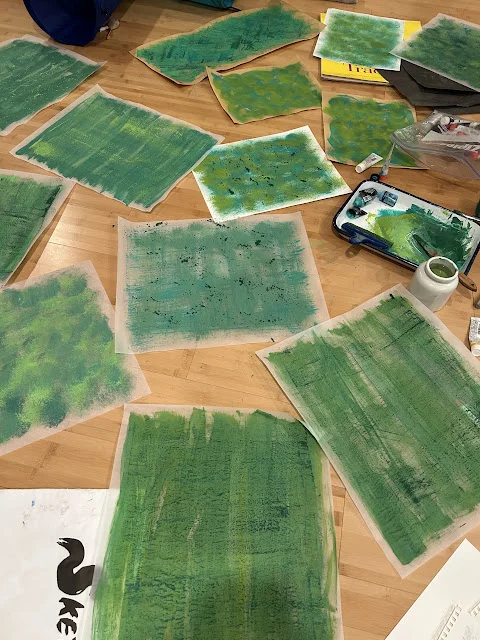
The colors in an early test proof.
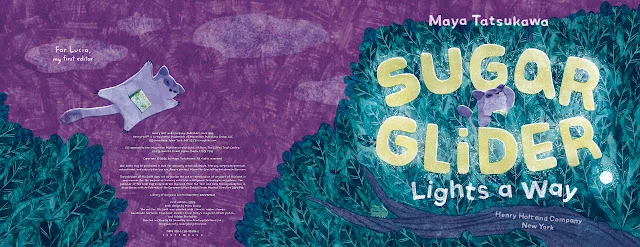
The final palette.
Textures made by hand
Printmaking techniques shape Tatsukawa’s visual approach. She enjoys experimenting with physical materials and processes, and builds many illustrations by layering textured shapes and colors within a limited palette. She creates forms and surface details using stencils and rubber stamps, working with materials such as pastel, ink and stamp pads. Digital coloring is part of her process too, but each book gives her a reason to add another hands-on element and spend more time away from the computer.
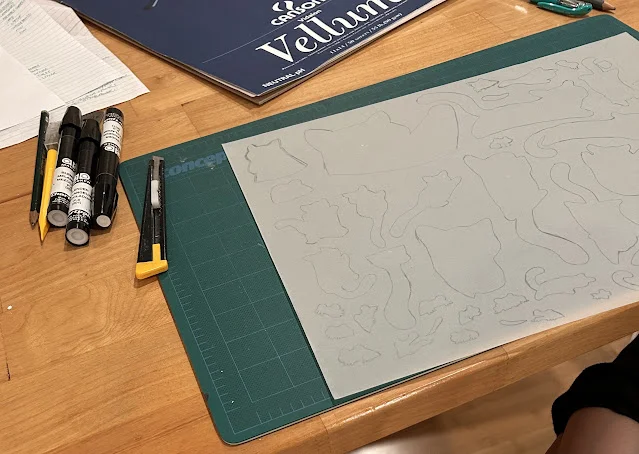
Sugar Glider tracings prepared for stencil cutting.
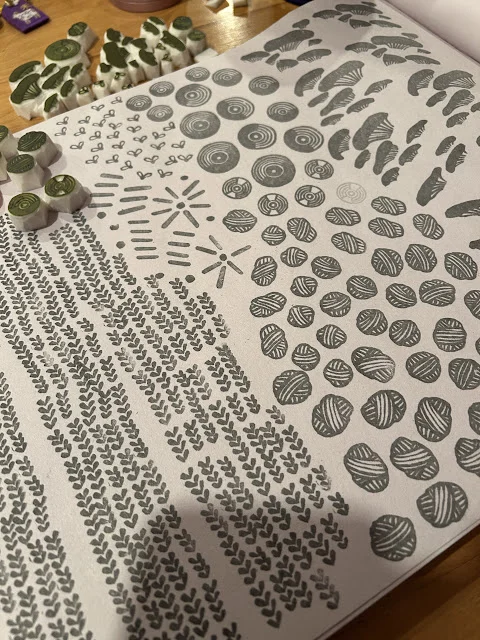
Rubber stamps made textures for details including yarn, mushrooms, records and knitting.
For Otter Carries On, she used real leaves to create kelp. For the new book, she made patterned paper and cut out every leaf in the trees. She painted vellum to create the paper, then filled page after page with leaves on both sides. The labor is considerable, but the resulting textures give the forest a tangible, layered feel.
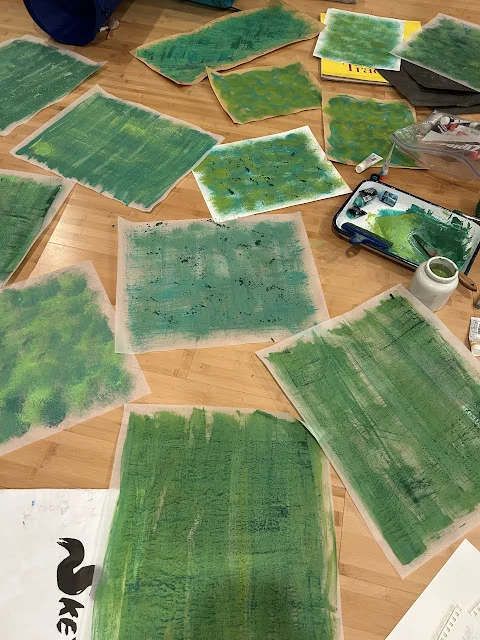
Painted vellum became patterned leaf paper.
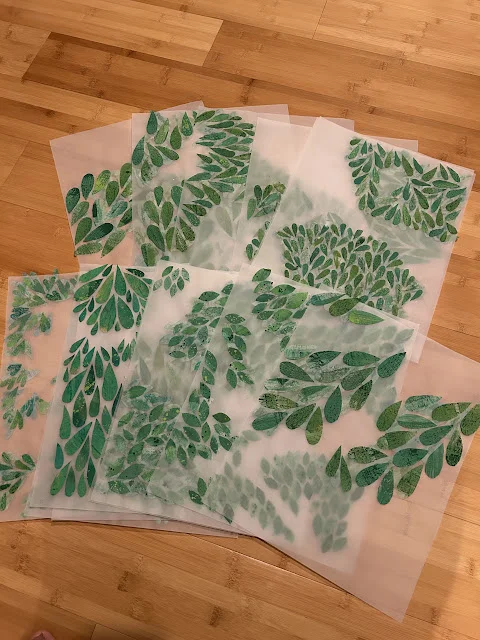
Pages of cut leaves, prepared on both sides.
She hopes to make a fully traditional picture book one day, following the example of her critique-group partners Hanna Cha and Jack Wong. For now, the work in Sugar Glider Lights a Way shows how physical materials can support a story about noticing unexpected light.
What Tatsukawa is making next
Tatsukawa is illustrating her first early reader graphic novel series, written by Dane Liu. It’s also the first time she has illustrated a project without taking part in its story development. The series is scheduled to come out in 2029. She shared initial character sketches of Izzy and Wolfi as an early look at the work.
Another picture book collaboration, with her friend Matt Roeser, is in the pipeline but hasn’t been announced. And the next idea for her visual series is still taking shape. Tatsukawa’s immediate work spans projects with different levels of creative involvement, while her latest book offers a clear account of what can happen when a creator lets a story change direction.
A starring role for Mosami
Asked who she would choose to illustrate a picture book autobiography, Tatsukawa sidestepped the autobiography and nominated Mosami, her studio manager cat. She credits Mosami with behind-the-scenes help and with promoting Sugar Glider Lights a Way.
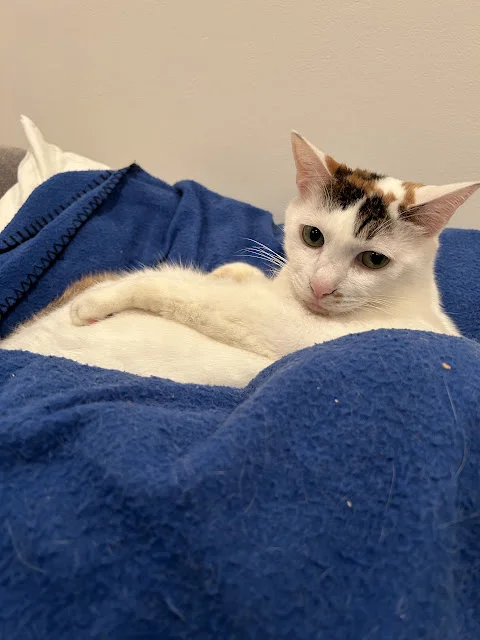
For a biography of Mosami, Tatsukawa has three possible illustrators in mind: Christian Robinson for a charming, heartwarming account of the cat’s origins; Seo Hyun for humorous short adventures; and Yuki Ainoya for a surreal story that lets Mosami show off her diva side. It’s an affectionate final glimpse of the playful imagination that runs through Tatsukawa’s work.
Sugar Glider Lights a Way published in August from Henry Holt and Co.