In lane Publishing Industry
Balancing Incentives: The Playful Dance Between Motivation and Creativity
Description
Explore the whimsical dialogue between an author and her muse, shedding light on the importance of incentives in creative writing.

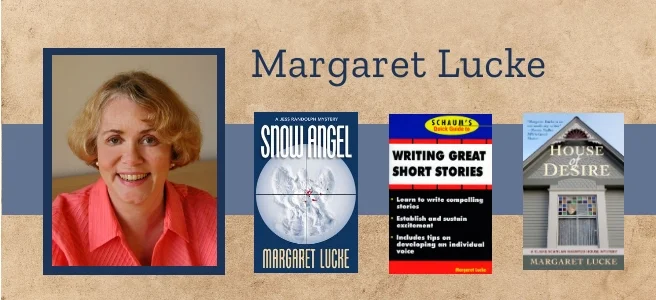
Margaret Lucke takes us on a humorous journey in her latest piece, exploring the quirky dynamics between a writer and her muse. The narrative begins with Lucke facing a perilous blank page, signifying a common struggle among writers. With a playful twist, her muse strolls in with an unexpected demand for a reward, igniting a light-hearted debate about the mechanics of motivation in the creative process.
Setting the Scene
The author illustrates her struggle through a witty exchange that resonates with many in the writing community. “Here I am,” the Muse declares, nonchalantly demanding a reward for her mere presence. The author is quick to oppose this notion, emphasizing hard work over immediate gratification. This charming back-and-forth captures the essence of the creative process—how ideas often require nurturing and how the mere presence of inspiration doesn’t equate to instant productivity.
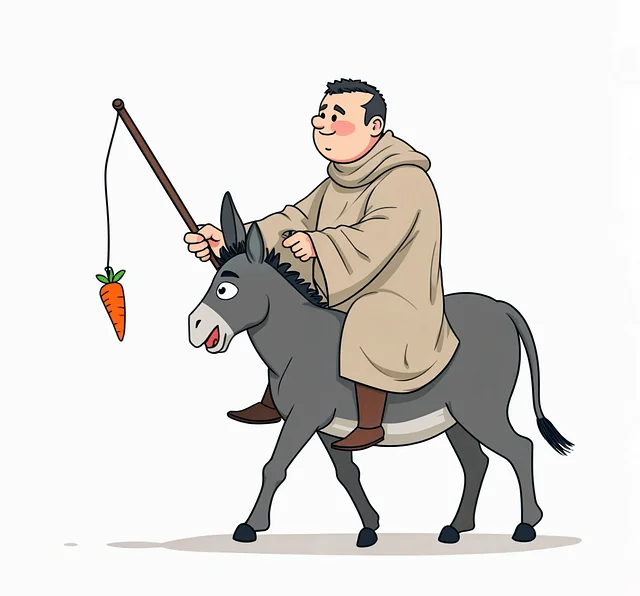
Lucke cleverly uses this interaction to bring to life the phrase “carrots and sticks,” renowned in motivational theory. The Muse humorously aligns herself with the donkey in this proverbial scenario, seeking her carrot first before any work is accomplished. The discussion deepens into an exploration of what constitutes legitimate rewards and how they influence creativity.

The Role of Incentives in Creativity
At the heart of this dialogue lies a discussion on motivation. Typically, writers face the challenge of generating ideas and pushing through creative blocks. Lucke’s Muse represents that internal voice that demands recognition for contributions, however small. The carrots symbolize the rewards that keep the creative engine running, while the stick represents the frustration that can accompany the pressure to produce work.
The author’s insistence on earning rewards only after achieving results highlights a critical point—motivation needs structure and timing. The ongoing banter makes readers reflect on their own processes: Do we reward ourselves too early or too late? What role does self-discipline play in creatively fueling our passions?
A Delectable Detour: The Cake Analogy
The dialogue takes a delightful turn when the discussion pivots to carrot cake, acting as a metaphor for the sweet rewards that accompany hard work. Lucke incorporates physical elements, like the plate of leftover dessert, into the conversation, interspersing moments of levity that lighten the weight of deeper themes. Her Muse’s subsequent request for a piece of cake adds a tangible aspect to the earlier metaphor about motivation. Lucke cleverly contrasts the positive appeal of rewards with the intrinsic satisfaction of achieving creativity.
This shift serves to underline the idea that creativity flourishes amidst incentives, be they sweet or challenging.
Creative Collaboration: A Dual Experience
Lucke’s portrayal of this dynamic relationship serves as a reminder that creativity is rarely a solo endeavor; it thrives on collaboration, whether with internal muses or other external influences. The playful jibe from the Muse about taking on Luke—a character potentially armed with a weapon—illustrates the twists and turns that plots can take, yielding unexpected developments that can emerge when both halves of this author-muse duo synergize. Such interactions not only enhance character development but also create fertile ground for richer storytelling.
Reflections on Motivation and Storytelling
Through her musings, Lucke prompts aspiring writers to evaluate their own balancing acts between intrinsic and extrinsic motivators. Are creative triumphs achieved purely through self-discipline, or is there merit in rewarding oneself along the journey? Each writer's experience is unique, but the core idea of recognizing both rewards and challenges remains universally significant.
As her Muse indulges in cake, it creates a metaphorical link between reward and creative freedom. The larger implication is that when creators take time to appreciate their work and the journey, they unlock deeper insights and more engaging narratives. This piece reminds us of the importance of balance, not just in writing, but in all avenues of creative expression.
Ultimately, Lucke’s vibrant dialogue articulates a dynamic interplay of motivations and rewards at the heart of the writing process. It stands as a charming and reflective piece for readers to appreciate—whether they find themselves seated at their own workspace or simply pondering their own creative paths.