In lane Book Reviews
Josephine Greenland’s Wolf Hour Explores Hunting and Sweden’s Uneasy Bond with Wolves
Description
In Wolf Hour, a hunter’s bond with a wolfdog brings Sweden’s rural tensions over hunting, family and survival into a tense thriller.
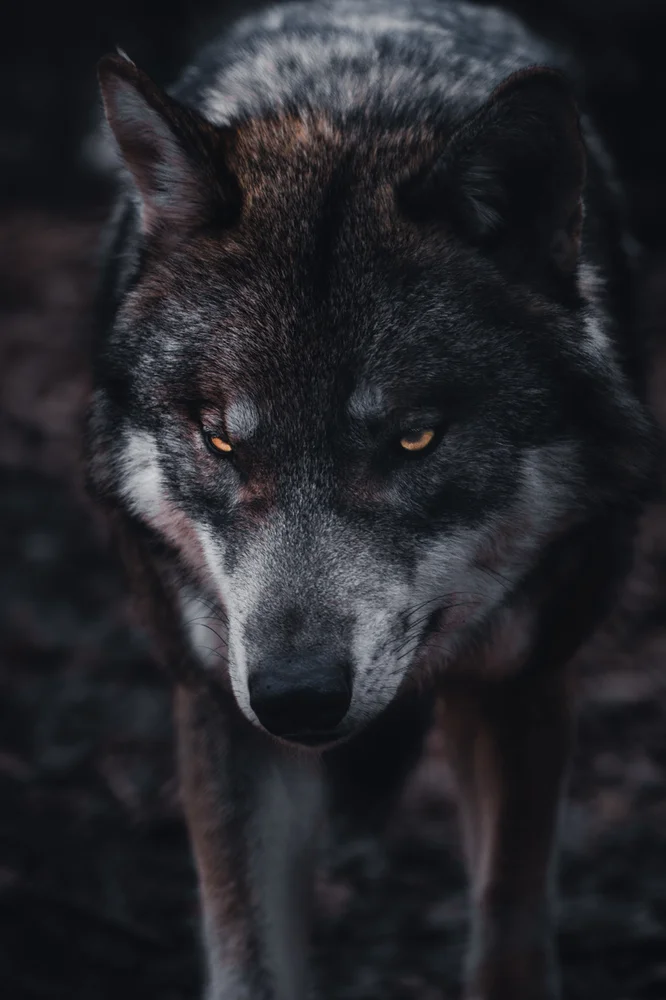

For Josephine Greenland, the starting point for Wolf Hour was an unsettling image: wolf hybrids moving through rural communities, killing pets and livestock and alarming people out for their morning walks. That seed grew into a thriller shaped by a question she hasn’t tried to answer neatly: what happens when a person’s livelihood and sense of safety collide with the survival of a wild animal?
Greenland, a Swedish and British author who grew up in Eskilstuna, draws on the woods, wildlife and hunting culture of her home region. The novel’s setting carries a long-running tension. In rural Sweden, wolves are often seen as a threat to animals and livelihoods, and the sight of tracks near homes can sharpen local fears. Greenland says that encounters between people and wolves, along with the presence of illegally bred wolfdogs, helped spark the book.
A debate without easy answers
Greenland is vegan and has been for nine years, but she distinguishes hunting for food from the practice of culling wolves. She describes her cousin’s moose hunting as a way of providing meat for the family: a process involving long hours in the cold, close attention to the forest and patience. For her, that effort makes eating the animal feel different from buying meat without knowing how it was obtained.
Her account of moose and wolf numbers gives that distinction a wider frame. She puts Sweden’s moose population at an average of 300,000 to 350,000 during autumn and winter, rising to 400,000 during the summer calving season. Hunters take about 60,000 to 70,000 moose each year, while wolves kill around 5,000. Greenland argues that the scale of wolf culling falls especially heavily on a much smaller population: she cites 355 wolves nationally and says 72 are set to be culled in the season running from 2 January to 15 February 2027. The planned total varies by region, from 12 in Örebro county to six in Södermanland, her home county. Many of the wolves affected belong to established packs.
Greenland doesn’t present Wolf Hour as an argument for a single answer. She says six years of writing and research left her undecided about how to approach wolf culling. She also recognizes the anger and grief of people who have lost pets or livestock, and says that when a wolf presents a life-threatening risk to a person, killing it may be the only available choice.
That uncertainty runs through Nella Khron, the novel’s central character. Nella hunts and eats meat to feed her family, yet hesitates when she first raises her rifle against a wolfdog. Greenland sees that pause as an instinctive response that other hunters may recognize: the act of hunting can carry practical purpose and emotional conflict at the same time.
Other stories about hunters and wolves
Greenland read Kerstin Ekman’s 2021 novella Löpa Varg (Running with Wolves) after completing her own final edits. Ekman, a widely known Swedish author, follows an ageing hunter whose encounter with a lone male wolf leads him to reconsider killing, masculinity and his place in a rural hunting community. He eventually gives up his leadership role, retires and locks away his rifle. The story also touches on younger members of his group taking wolf culling into their own hands.
For Greenland, reading Ekman afterward was affirming: the subject can support very different approaches. She hopes that Nella’s perspective as a young queer woman offers another way into a conversation often shaped by rural tradition and conflict. Her larger invitation is to see a wolf as an animal trying to eat and survive, rather than only as a symbol of danger.
She recalls a lullaby by children’s author Astrid Lindgren, in which a wolf howls at night, hungry and cold in its den. The image brings the book’s competing concerns into focus: human fear and care for animals can exist alongside the basic needs of a creature trying to live.
Inside Wolf Hour
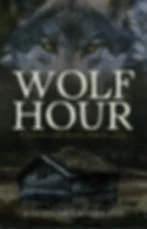
In Wolf Hour, Nella joins her first wolf cull, targeting a pack of illegally bred wolfdogs. When she fails to kill one of them, she protects herself and forms an unexpected bond with Silence, the mother wolf, who escapes. The encounter soon becomes entangled with the murder of a fellow hunter and a criminal network troubling Nella’s hometown. Her uncle, Roland, knows more than he admits, while Nella finds herself ostracized by her family and community.
The setup gives the thriller a sharp emotional hook: Nella must decide whether she can trust a wild animal when the people around her seem dangerous, while also wondering whether Silence might turn against her. The wolf is both a source of peril and the one presence Nella may be able to rely on.
About the author

Josephine Greenland was born in Eskilstuna to Swedish and British parents. After moving to the UK to study English and Creative Writing, she settled in Norwich, where she is pursuing a PhD at UEA. Her first novel, Embers, was published by Unbound in 2021. Wolf Hour, her second novel, is due from Stairwell Books in Autumn 2026. She is also working on a third novel for her PhD thesis.
Josephine Greenland’s website | Instagram: @jgreenlandauthor | TikTok: @jgreenlandwriter | Facebook: Josephine Greenland Writer