In lane Publishing Industry
Exploring "The Dragon Project": A Reflection on Science Fiction's Evolution
Description
Naomi Kritzer's "The Dragon Project," featured in The Best Science Fiction of the Year, Volume 8, sparks reflections on the genre's shifting landscape through personal nostalgia and critical insight.

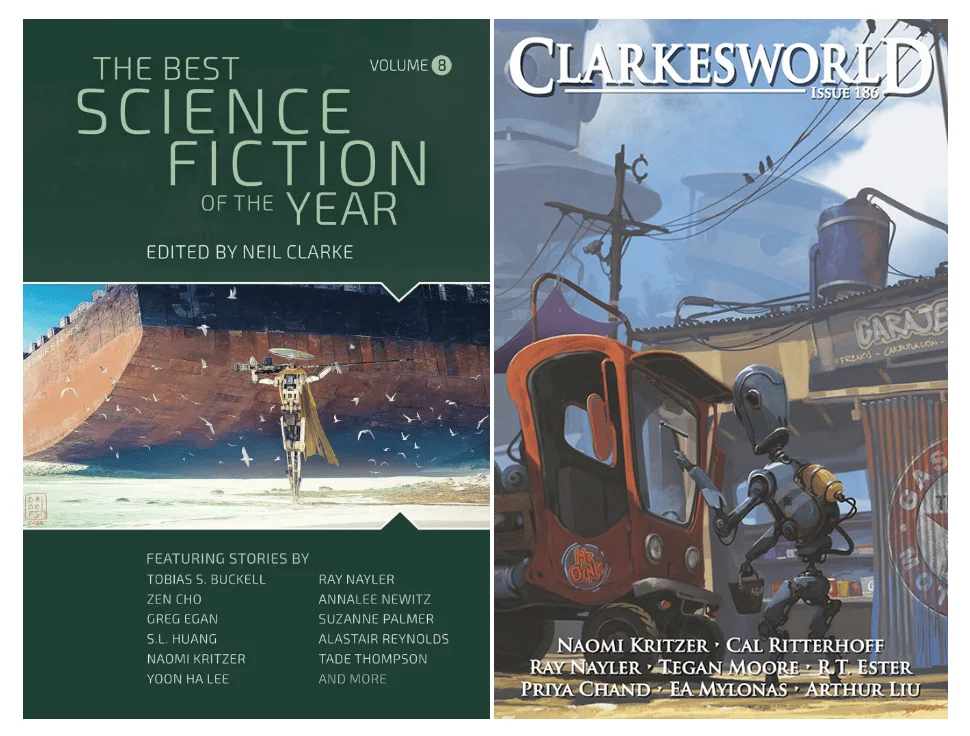
Naomi Kritzer's "The Dragon Project" kicks off Volume 8 of The Best Science Fiction of the Year, edited by Neil Clarke, and it reopens a conversation about the essence of science fiction as it intersects with our changing world. Originally published in Clarkesworld, this story taps into the imaginative possibilities of future technology through a light-hearted narrative. However, the appeal of "The Dragon Project" isn't just its storyline, but also the underlying sentiments it provokes in readers navigating the complexities of today's world.
Story Overview
Set in a future where 3D biological printers can create fantastical creatures, the plot follows Vivian and her partner Jed, who embark on a peculiar assignment. They're tasked with designing a dragon for a Chinese New Year parade, a job that sounds exhilarating but quickly spirals into comedic disappointment. Their initial creations—a cat-sized dragon and later a dog-sized version—fail to meet the client's expectations, leading to the loss of business.
Their journey takes an unexpected turn when they learn of a horse-sized creature rumored to be running wild—a development that steals attention from their project. This whimsical premise presents a world filled with the promise of technological advancement yet also invites critical observation about society's obsession with status and wealth.
A Mixed Reception
While the story is engagingly told, one reader shared that it felt somewhat bland compared to Kritzer's previous work, particularly the award-winning "Cat Pictures Please." The latter resonated deeper for its relatable themes and emotional connection. In juxtaposition, "The Dragon Project" offers a lighter fare, a note of amusement that doesn't quite strike the chord of wonder and reality that long-time science fiction fans may seek. It’s a thoughtful commentary on how preferences can evolve over time.
Technological Skepticism
Critically, the reviewer expressed a growing skepticism about advances in technology, particularly the proliferation of 3D-printed creations. With advancements like SpaceX and ChatGPT altering perceptions of the future, what was once seen as a vibrant technological landscape has morphed into a source of unease. The whimsical notion of 3D-printed dragons raises complex questions about ethics and responsibility—especially concerning the fate of artificial creatures abandoned by their creators once novelty wears off.
This trend in science fiction reflects a profound cultural shift: the genre once inspired hope and excitement about the future but can now feel like a Pandora's Box, unleashing anxieties about technological control and the widening chasm between the rich and poor. The reviewer ponders whether stories that once brought joy can still provide solace in an age where the realities of technology feel overwhelming.
Thoughts on the Genre's Future
As Kritzer's story unfolds, it intersects with broader reflections on what science fiction offers to older generations. At 75, the reader grapples with the evolving nature of the genre and the sense of loss that comes with it. While today’s science fiction continues to innovate, it may not resonate with everyone as it once did. The heartwarming tales of youth are replaced by stories that reflect contemporary fears and uncertainties.
As they read through the anthology, there’s a sense of hope for rediscovering a form of science fiction that inspires rather than disheartens. Looking back at beloved titles, the sentiment remains that profound storytelling can emerge even in uncertain times.
In Search of Inspiration
In a juxtaposition of genres, two recently cherished novels from different authors—Ann Patchett's Whistler and Elizabeth Strout's The Things We Never Say—provide a different flavor of hope. The emotional depth and complexity in these works stand in stark contrast to the lighter undertones of "The Dragon Project." This dichotomy showcases the spectrum within literature today, revealing that even if science fiction feels less magical, other narratives may continue to inspire.
The journey through The Best Science Fiction of the Year, Volume 8 signifies a significant mental exploration, a quest for the spirit of a genre that once promised a world of wonder. As readers, the challenge remains to adapt and discover new facets of these evolving stories and seek inspiration, regardless of age or experience.