In lane Authors & Interviews
Exploring Grace Chan's "Nobody Ever Goes Home to Zhenzhu": A Reflective Sci-Fi Journey
Description
Grace Chan’s story "Nobody Ever Goes Home to Zhenzhu" offers a thrilling space opera experience while provoking reflection on changing beliefs in science fiction.

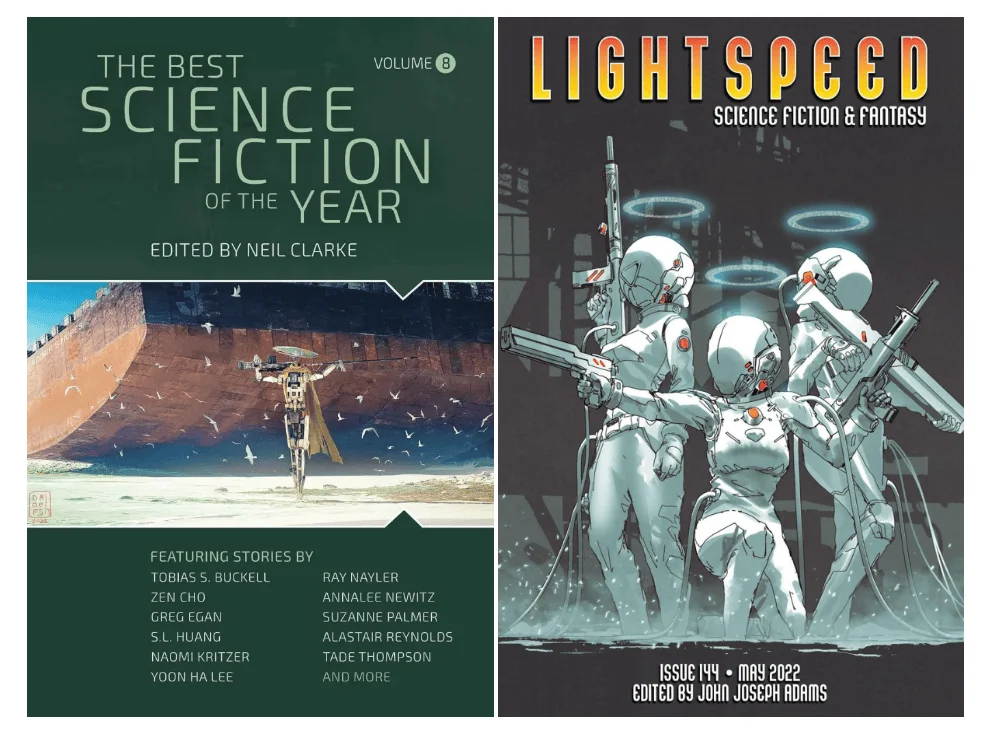
“Nobody Ever Goes Home to Zhenzhu,” a story by Grace Chan, first appeared in Lightspeed in May 2002. This short piece is included in The Best Science Fiction of the Year 8, edited by Neil Clarke, and can be accessed here. The narrative centers on Calam, who absconds from Orin to confront unfinished business on the planet Zhenzhu, encapsulating the essence of a space opera noir.
In this brisk tale, Chan delivers a single intense action scene that culminates in gory outcomes. Though the plot hints at broader issues such as liberation from oppressive authority controlling personal data, this thematic depth isn't fully explored within the story. Critics see this narrative structure as relying on recognizable archetypes reminiscent of classic sci-fi, evoking comparisons to classics like George Lucas’ Star Wars while also borrowing influences from luminaries like Samuel R. Delany and William Gibson.
The narrative's premise raises questions about originality and the reliance on established genre norms. References to archetypical heroes and futuristic settings may resonate with readers familiar with the genre's history. Comparatively, readers might find parallels to Luke Skywalker embarking on a pivotal mission in a familiar yet distinct universe. Chan distinguishes her story through detailed world-building, notably illustrating Zhenzhu's ecological collapse and Calam’s motivations.
Reflecting on the story's thematic resonance, one observer notes that science fiction often captures certain collective beliefs, such as the idea of infinite worlds awaiting discovery, the heroic individual's triumph over larger forces, and the capacity for a small group to challenge oppressive regimes. This notion echoes sentiments found in popular works like The Hunger Games, showing that these ingrained beliefs still attract many readers.
However, as the reviewer grapples with aging perceptions of the genre, they express a significant shift in their relationship with science fiction. Once a steadfast believer in the potential of humanity to conquer space, their perspective has evolved over time. This evolution raises contemplations about belief systems portrayed in science fiction—emphasizing how they mirror societal hopes or aspirations. The reviewer’s current stance highlights a retreat from these once-invigorating notions, pinpointing an internal conflict regarding faith in the genre.
The emotional fabric of the piece reflects nostalgia for the optimism of youth contrasted against the harsher insights of an aging mindset. This disjunction creates a sense of wistfulness as the reviewer describes their recent experiences with science fiction. While they still find joy in re-reading cherished classics, there's a mutual recognition of the fatigue surrounding newer narratives—a sentiment that resonates within contemporary discussions about the state of the genre.
Neil Clarke's introduction underscores another prevailing issue: the dwindling demand for short-form science fiction. This reduction raises broader questions about the current appetite for the genre, particularly among younger generations who may gravitate more towards fantasy elements and romantic narratives. With science fiction facing challenges as escapist literature, the ability to captivate audiences is diminishing, heightening the reviewer’s sense of disillusionment.
A further critique touches upon potential oversaturation of familiar themes within science fiction media, which can dull the excitement for fresh narratives. The ongoing evolution of film and television adaptations might contribute to reshaping the landscape of reader expectations, leaving them craving the thrill of innovation. Notably, the reviewer yearns for originality after years of digesting established tropes, leaving them questioning whether they’ve become too detached from the genre.
The revenue engine that once thrived on yearly anthologies appears to be shrinking, as seen in the delayed release of volumes covering recent years. This raises another layer of introspection: are readers like the reviewer finding themselves without new sources of inspiration, or is the genre itself altering, struggling to find relevance?
Amidst these reflections, the reviewer expresses a deep-rooted attachment to the genre that persists, despite their hesitations about contemporary works. They find themselves caught in a cycle of seeking out the ‘science fiction high’ reminiscent of youthful readings while wrestling with an innate yearning for transformative stories that can inspire future narratives. In doing so, they advocate for the emergence of new foundational beliefs that future writers can explore, hoping to reclaim the genre's vitality and broaden its horizons.
Ultimately, “Nobody Ever Goes Home to Zhenzhu” serves not only as a captivating narrative that intertwines action with deeper societal themes but also as a mirror reflecting the changing dynamics in the world of science fiction. The juxtaposition between nostalgia for past ideals and the search for fresh interpretations encapsulates a pivotal moment for readers and writers alike.
As the story unfolds, it invites readers to engage with the new wave of science fiction while fostering an appreciation for the genre's rich legacy. In doing so, it ignites discussions about the beliefs that have defined science fiction and those that might shape its future.