In lane Book Reviews
Exploring Humanity's Future Through AI in Thomas R. Weaver's "Artificial Wisdom"
Description
Thomas R. Weaver's "Artificial Wisdom" questions AI's role in a world on the brink of collapse, delivering an engaging narrative with rich character development.
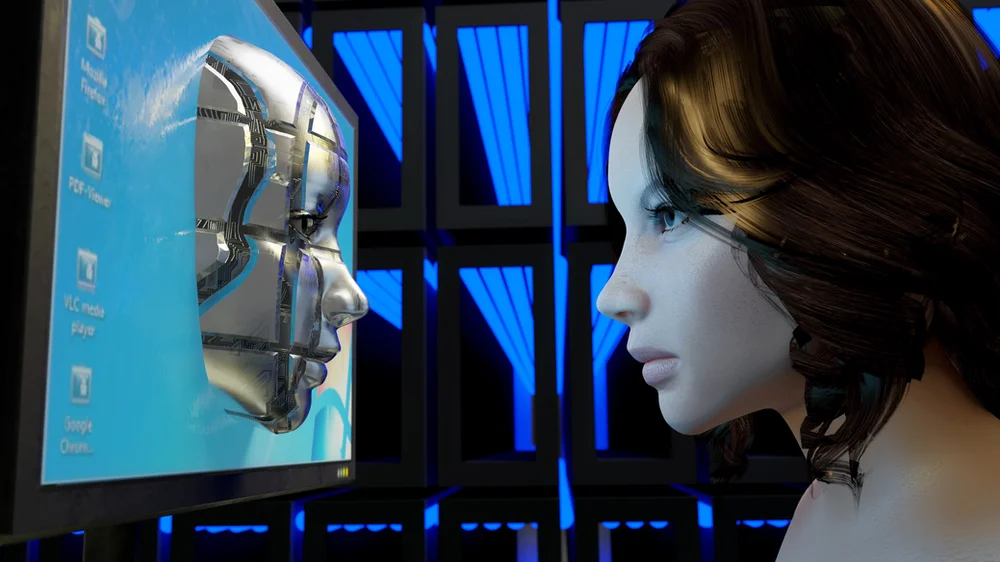
Can AI save us from ourselves?

That thought-provoking question forms the crux of Thomas R. Weaver's Artificial Wisdom, the inaugural installment of a new series. Set in a near-future context marked by catastrophic climate change and political unrest, this novel offers readers a fresh perspective on the intertwining narratives of artificial intelligence and human responsibility. Weaver's gripping storytelling examines whether humanity can rely on AI to rectify the dire consequences of its own actions.
World-Building and Plot Elements
Weaver excels in crafting a vivid and immersive universe that draws readers deep into the implications of an AI-driven society. The author illustrates a world ravaged by climate change, where the populace largely ignores their role in environmental degradation. Instead of taking initiative, society increasingly seeks refuge in AI, a technology that, despite its potential, requires extensive resources and poses significant ethical dilemmas. This overarching theme prompts readers to reflect on the consequences of delegating responsibility to machines.
The central character, a crusading journalist, serves as a relatable figure within this chaotic landscape. Her quest for truth and accountability makes her an ideal lens through which the consequences of both climate change and AI over-reliance are examined. Through her eyes, readers witness not only the deteriorating conditions of the world but also the apathy that envelops it. The development of her character is commendable, showcasing a blend of grit, vulnerability, and moral complexity that feels particularly resonant in today’s climate of misinformation.
Character Dynamics and Themes
What distinguishes Artificial Wisdom is Weaver's ability to entwine character development with the emergent themes of the narrative. Each character, from the journalist to those she encounters along the way, represents different facets of society grappling with the implications of an AI-dominated reality. While the protagonist diligently seeks out the truth, others often succumb to complacency, echoing a troubling trend observed in modern education and society.
The author reflects on this concerning behavior, particularly among school-age children who, as Weaver notes, often turn to AI tools to complete their assignments rather than confronting challenges directly. This observation is unsettling—not just for its commentary on academic integrity but also for what it signals about future generations' relationship with technology. The notion of children claiming AI-generated answers as their own mirrors the larger societal trend of relinquishing moral and ethical accountability.
At a critical juncture in the story, the protagonist’s revelations about AI evoke the same frustration felt by educators concerned about declining engagement in learning. The book’s exploration of how society abdicates its responsibilities, trading active participation for convenience, serves as a cautionary backbone—one that resonates profoundly with contemporary readers.

Thematic Reflections on Society
A deeper reflection emerges from Weaver’s narrative: the ease with which humanity seeks to outsource its problems to AI. Faced with the urgency of climate change, rather than mobilizing collective efforts to reverse the trend, there lies a temptation to look to technology as a panacea. Weaver sheds light on the irony—the very technology intended to help may demand outcomes that are ethically and morally troubling.
This commentary doesn't draw conclusions but rather invites readers into an interrogation of their own beliefs. Will we choose to engage as a society or retreat into the arms of AI? The novel asks these questions without providing hardened answers, echoing real-world dilemmas more acutely felt as climate anxiety looms.
Looking Ahead: A Promising Series
As Weaver prepares for the upcoming second book scheduled for release in November 2026, he crafts a narrative that leaves readers at a pivot point. The final plot twist of Artificial Wisdom is a bit unexpected, eliciting mixed feelings—yet it serves its purpose of propelling the story towards deeper exploration. Despite the jarring nature of the twist, it hasn't deterred enthusiasm for the sequel, indicating Weaver’s ability to keep readers invested in the unfolding narrative.
For those intrigued by the intersection of technology and humanity's survival, Artificial Wisdom presents a thoughtful examination of pressing issues wrapped in an engaging storyline. It invites readers not just to consume fiction, but also to engage with profound questions that resonate in today’s world. Weaver's novel is a recommended read for both fans of speculative fiction and anyone seeking to reflect on the implications of artificial intelligence in our lives.
As we navigate the challenges ahead, it seems we must ask ourselves not just whether AI can save us, but whether we’re willing to confront the hard realities that might be necessary to ensure our survival.