In lane Publishing Industry
Exploring John Scalzi's Banned Sci-Fi: A Closer Look at "Lock In"
Description
John Scalzi's "Lock In" faces bans despite its acclaim. Discover the intriguing themes and societal critiques within this compelling sci-fi novel.

In an era where literature often grapples with societal issues, the banning of books like John Scalzi's Lock In raises questions about censorship and the implications for readers. This sci-fi murder mystery has been surprising to see categorized as "dangerous," yet its exploration of complex themes makes it anything but that.
About "Lock In"
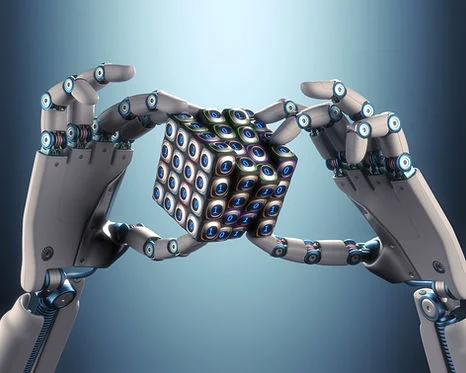
Published in 2014, Lock In presents a near-future scenario where a devastating virus leaves many in a state of "lock in," unable to move or communicate. However, thanks to advanced technology, those affected can engage with the world through robotic avatars, allowing a semblance of normalcy. The story follows FBI agent Chris Shane, who uses this technology to solve a murder while grappling with issues surrounding identity, agency, and societal disparities. Scalzi cleverly blends elements of mystery and speculative fiction, fostering critical reflection on our relationship with technology and each other.
The Banning of "Lock In"
Recently added to the list of banned books within the New Braunfels Independent School District in Texas, Lock In has drawn attention for reasons beyond its narrative. The process for banning appears rather accessible; individuals can file a grievance or challenge a book's placement in the library. This raises alarms about how easily opinions can dictate what young readers are exposed to, especially when the material is geared toward young adults.
It’s bewildering that a book with accolades for both adult and young adult suitability would fall victim to such censorship. This move seems rooted in societal anxieties surrounding the author's personal views and the themes discussed within the book—concerns that are troubling for the future of literary freedom. The irony is palpable in a state that prides itself on individualism yet allows for such sweeping controls over what stories can be shared with the youth. Shouldn’t the responsibility of choosing appropriate literature lie with children and their families rather than a bureaucratic decision?
Why Should You Read "Lock In"?
The joy of reading comes not just from entertainment but from challenging ideas and stimulating discussions. Lock In offers a rare combination of sci-fi elements while diving deep into debates on identity, social justice, and ethics in technology. The narrative challenges readers to think about the implications of technology on human experience and explores themes relevant to our current societal climate. Its multifaceted characters navigate through a world shaped by their circumstances, prompting readers to consider the weight of empathy and understanding across differing experiences.
Books like Lock In serve as vital gateways for thought-provoking discourse and exploration of nuanced themes, ideal for book club discussions or personal reflection. The characters’ experiences resonate on multiple levels, bridging personal struggles with broader societal issues. Readers may find themselves contemplating their own views on the implications of technological advancement and social justice as they navigate the story.
Literature's Role in Society
The challenge of censorship speaks to a broader anxiety regarding the control of narratives and the power dynamics inherent in literature access. Enthusiasts and advocates for banned books often emphasize the importance of diverse voices voicing the unthinkable. These books serve as mirrors for readers, reflecting complex realities and prompting important conversations about culture, politics, and human values.
Exploration and inquiry through literature enrich our understanding of the world. Banning titles such as Lock In risks silencing critical perspectives and closing off vital channels for discussion among young readers who most need to grapple with these complexities. Trawling through banned books lists can uncover significant works that may challenge or reaffirm one’s views, pushing the limits of what we consider acceptable in literature.
In Conclusion: Read the Rebel Titles
If you're an advocate for intellectual freedom and the diverse spectrum of human experience, reading books from the banned list is crucial. Each story holds the potential to spark conversation, critical thought, and perhaps even action. Don’t hesitate to dive into John Scalzi's Lock In—embracing the challenge of its themes can only serve to deepen your understanding of our rapidly evolving world.
The world of banned literature is vast and inviting; whether it's the sharp wit of Scalzi or the notable narratives of other frequently challenged authors, engaging with these works is an act of rebellion worth celebrating. So, step up and read outside the confines prescribed to you. The books deemed “dangerous” often shine brightest in the dark.