In lane Publishing Industry
Rediscovering George Orwell's Timeless Allegory: The Importance of Reading Animal Farm
Description
George Orwell's *Animal Farm* remains a crucial read, confronting power dynamics and political hypocrisy—a lesson as relevant today as ever.

In an era where literature faces increasing scrutiny and censorship, reading banned books becomes an act of rebellion. Among these essential works is George Orwell's *Animal Farm*, a potent allegory that critiques totalitarianism and explores the complexities of political ideology. This classic narrative illuminates why some voices seek to silence challenging ideas, and why readers ought to engage with these texts.
Why Banned Books Matter
Reading banned books isn’t just about defiance; it’s about gaining insight into the power structures that govern society. *Animal Farm* serves as a stark reminder that literature can reflect and critique societal norms. In fact, the very act of banning books points to the discomfort authorities feel towards these discussions. For Orwell's work, the candid portrayal of power dynamics tends to resonate deeply, especially during periods marked by political upheaval.
A Timeless Allegory
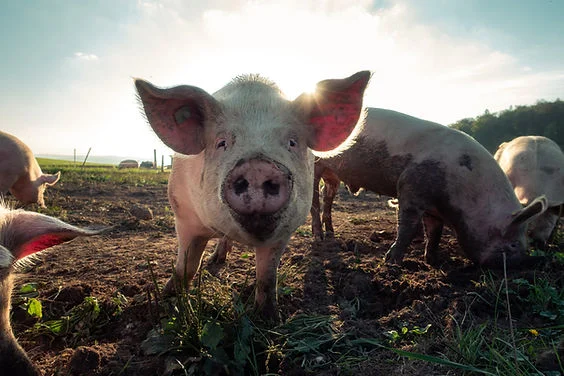
The storyline is deceptively simple yet profound: a group of farm animals led by the clever pigs overtakes their human farmer in an attempt to create an egalitarian society. Initially, their revolution seems successful as they work together to establish a new order where all animals are treated fairly. However, as the pigs consolidate power, it becomes painfully clear that their revolutionary ideals degrade into a hierarchical regime, mirroring the oppression they sought to overthrow.
The narrative metamorphoses into a cautionary tale about the corrupting influence of power and the ease with which noble ideals can be subverted. Ultimately, the pigs establish a regime that is indistinguishable from the humans they replaced, declaring, “All animals are equal, but some animals are more equal than others.” This phrase epitomizes the hypocrisy inherent in systems that claim to uphold equality while perpetuating inequality.

The Relevance of Animal Farm Today
I chose to revisit *Animal Farm* after my teen read it in school, motivated by the continuing relevance of its themes amid contemporary political strife. With right-wing parties gaining traction worldwide and authoritarian behavior making headlines, the lessons contained in this allegorical fable remain as vital today as when it was penned. The book's exploration of the dissonance between the promise of a fair society and the actualities of human behavior is particularly poignant in today’s climate.
Censorship and Controversy
Despite its appreciation as a literary classic, *Animal Farm* has faced its share of challenges due to its politically subversive nature. Over the years, it has been labeled as inappropriate for inciting revolutionary thought and depicting dark dystopias. For context, it was even banned in Florida in 1987. This only serves to solidify its importance as a text that presses against societal and governmental discomfort with truthful discourse.
The book banners often cite "political subversiveness" as their primary concern. However, one could argue that they fear the truths Orwell exposes about societal hypocrisy. The pigs’ proclamations about equality reflect the realities regarding how many social ideals can be twisted by those in power. Orwell dared to voice these provocations—a tenet that the powerful prefer to be ignored.
Reading as an Act of Resistance
Choosing to read *Animal Farm* and other banned works becomes a vital act of resistance against censorship. Each reading experience opens the door to critical thinking about governance, authority, and our own assumptions about society. Debates regarding censorship and freedom of expression continue unabated; that is a clear indication of why Orwell’s narrative should not just be consumed, but studied and discussed. In taking the plunge into these challenging texts, we remind ourselves of the past and empower ourselves for the future.
Participating in literary discussions about books like *Animal Farm* also encourages deeper reflections on our own political systems. It pushes us to examine the promises made by leaders and the realities encountered by citizens. When challenged, readers must stand firm against censorship and embrace a diverse range of perspectives. The act of reading forbidden works not only enriches our understanding but reaffirms the importance of freedom of thought in society.
Conclusion: A Call to Action
As we navigate our complex world, let us remember George Orwell’s powerful message in *Animal Farm*: the vigilance required to uphold justice and equality is everlasting. Readers must engage with these important texts, encouraging discussions that might otherwise be silenced. Banned books like *Animal Farm* are not just stories; they are vital historical lessons that urge us to think critically about not only our past but our present and future as well.