In lane Authors & Interviews
Crafting Powerful Female Warriors in Fiction
Description
Retired Colonel Diana Fedorak shares insights on writing authentic female warriors in science fiction and fantasy that resonate with readers.

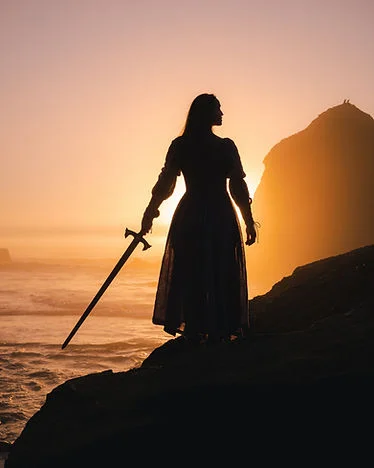

In today’s blog, Diana Fedorak, a retired Air Force Colonel and award-winning author, provides invaluable insights into the art of writing female warriors who are both credible and compelling. Her extensive background in combat serves as a strong foundation for her perspective on creating powerful women in literature.
Writing Female Warriors: The Challenge and the Reward
Science fiction and fantasy genres have made strides in depicting female characters in combat roles, often showcasing them as strong, multi-dimensional figures. Consider Elizabeth Moon's Vatta's War series, or the iconic Brienne of Tarth from George R.R. Martin's A Song of Ice and Fire. Linda Hamilton's transformation into a soldier in the Terminator movies is another prominent example. These characters reflect a growing acceptance of fierce females, showing us that audiences are eager for stories that feature women who fight with determination and skill.
Fedorak emphasizes that crafting fighting roles for women doesn't necessitate abandoning their femininity or emotional depth. Regardless of the gender norms present in a given universe, readers appreciate characters who possess both competence and the drive to forge their own paths. In other words, complexity is key.
Methods to Empower Female Characters
There are two primary ways female fighters are often portrayed in science fiction. One approach involves women who come from a background of training, which equips them for battle. A fitting example is Tris Prior from Veronica Roth's Divergent, who evolves through rigorous training to face various challenges. The second way involves leveraging technology, particularly in futuristic settings, which can even the playing field when a woman confronts more physically imposing opponents.
Take Mad Max: Fury Road, where Charlize Theron’s character, Furiosa, is introduced not as a traditional female warrior but rather as someone shaped by her traumatic experiences in a post-apocalyptic world. Her character is more machine than woman, sporting a metal arm that enhances her abilities. This unique representation transcends typical notions of disability, showcasing a warrior skilled in marksmanship and mechanics. The narrative also introduces a tribe of women trained to defend themselves, which provides depth and context for their combat capabilities.
In fantasy literature, combat roles for women may rely heavily on magical abilities or unique skills tied to the world’s magic system. If a character lacks inherent magical talents, mentorship often plays a crucial role in helping them navigate their combat challenges. This mentorship dynamic not only enriches the story but also creates opportunities for character growth and development.
The Writer’s Journey
From a personal viewpoint, Fedorak highlights the importance of integrating real-life experiences when constructing action scenes. While prior military training can be beneficial, she believes that simple physical engagement—such as participating in paintball, self-defense classes, or LaserTag—can enhance a writer's grasp of combat dynamics. Interestingly, she notes that she produces her most dynamic action sequences following a workout, often inspired by her favorite music.
The significance of representing female warriors in literature goes beyond mere notions of equality. It's about illustrating universal values such as accountability, self-reliance, and the courage to defend oneself. These are not traits confined to one gender, but qualities that resonate deeply with readers, creating memorable characters that inspire and empower.
Why Representation Matters
Fedorak’s insights open up a broader conversation about representation in literature. As genres expand and evolve, readers appreciate stories that not only feature strong characters but also subvert traditional gender roles. Women warriors symbolize resilience and strength, challenging stereotypes and offering readers relatable figures who defy expectations.
Women in combat roles in fiction serve as much more than just fighters. They embody the struggle for agency and empowerment, echoing the kinds of battles many face in their daily lives. By creating authentic, complex female warriors, authors contribute to a literary landscape that celebrates diversity and strength, inspiring both readers and writers alike.
About the Author
Diana Fedorak is the author of the Children of Alpheios series, a Firebird Book Award Winner in Dystopian, Science Fiction, and Speculative Fiction. With a career that includes serving as a colonel in the United States Air Force, Fedorak now focuses on crafting intricate characters within high-stakes science fiction and fantasy worlds.