In lane Genre Fiction
Exploring the Importance of Reading Octavia Butler's *Kindred* in Today's Context
Description
Dive into Octavia Butler's *Kindred*, a powerful exploration of slavery and racial violence that continues to resonate, even amid its challenges against censorship.

Why should we read books that society considers dangerous? There's an undeniable allure in defying what "the man" suggests is appropriate. Engaging with banned literature isn't merely an act of rebellion; it invites us to confront uncomfortable truths. One such book that deserves our attention is Kindred by Octavia Butler.

As part of an ongoing series that highlights banned books, I reflect on Butler's impactful narrative. Her works have witnessed a resurgence in popularity, more so now than they did during her lifetime. Recent conversations around Butler's literature, particularly prompted by stories circulating on platforms like NPR, have sparked renewed interest, with many readers discovering the depth and relevance of her themes today.
A Glimpse into *Kindred*
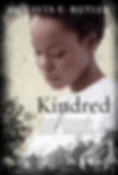
I've been captivated by Octavia Butler since my introduction to her thought-provoking novel Parable of the Sower. Among her diverse body of work, Kindred stands out as a profound meditation on the complexities of race and history. This story follows Dana, a modern black woman who is mysteriously transported back in time to antebellum America, where she confronts the brutal realities of slavery and her own ancestors' roles as slave owners. It's an unsettling narrative that intertwines personal identity with historical trauma, prompting readers to reflect on painful legacies.
Butler’s novel doesn’t shy away from brutality; it presents graphic depictions of violence that many may find hard to digest. Such elements are crucial in providing an authentic portrayal of the horrors associated with slavery. Given that Kindred was most recently banned in 2019, the reasons cited often encompass its unflinching exploration of racial violence and the systemic cruelty of slavery. The discomfort it evokes should not deter readers; rather, it should inspire engagement with these difficult subjects.
Why Books Like *Kindred* Matter
The rationale behind banning books like Kindred is multifaceted. Some argue that exposing young readers to themes of racial violence could be distressing. However, the discomfort caused by this narrative is precisely why it should be read. Literature serves as a mirror to society, compelling us to confront the atrocities of the past and recognize their lingering shadows in our present. It's not about shielding young minds from tough discussions; it's about equipping them to understand and navigate the complexities of the world.
The effort to censor books with racial themes is often fueled by a vocal minority intent on controlling the narrative around history. According to the ACLU, these attempts aim to reshape the educational landscape and sanitize the experiences that have shaped our societal fabric. What’s troubling is the implication that discussing America’s history with all its imperfections is somehow an affront to youth. In reality, it’s an integral part of fostering informed, empathetic individuals who can engage in the broader societal discourse.
The Broader Implications
By banning such narratives, there lies a risk of diminishing the significance of historical context and understanding its implications for contemporary society. What is at stake is more than just one book; it’s an attempt to erase the scars of slavery from collective memory. The act of reading banned books often becomes a silent protest against such cultural amnesia. It empowers individuals not only to learn from the past but also to ensure it is not repeated.
In reading Kindred, we engage with a narrative that is both personal and universal. Dana’s journey through time urges us to look critically at our own history and examine the systemic injustices that persist. The exploration of identity, belonging, and the legacies of slavery in America is imperative for understanding today's societal tensions.
A Call to Action
So, let’s champion the reading of Kindred and other challenged books that tackle race and history head-on. The act of reading these works is a rebellion against erasure and a step towards acknowledging the complexity of our society. Embrace the discomfort that comes with reading about painful histories; it’s through this discomfort that we can aspire to grow, educate ourselves, and foster a more just world.
Whether you’re an avid reader, a member of a book club, or simply curious about the conversations surrounding race and history, consider diving into Butler’s poignant story. Make it a point to explore the narratives that challenge us, for these are the tales that shape our understanding of humanity and our collective responsibility.
Don't let the book banners rewrite history. Let’s read Kindred and feel the weight of its lessons together.