In lane Authors & Interviews
Exploring the Humanity in Horror: A Look at Primo Levi's "If This Is A Man" and "The Truce"
Description
Primo Levi's works, "If This Is A Man" and "The Truce," offer powerful insights into human resilience amid the horrors of the Holocaust, compelling readers to confront uncomfortable truths.
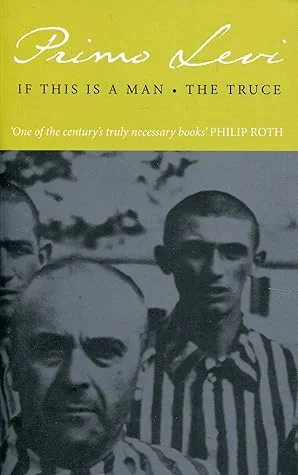
Primo Levi's "If This Is A Man" and its sequel, "The Truce," are vital literary works that illuminate the harrowing experience of Holocaust survivors. Through these texts, Levi transforms personal horror into collective memory, offering readers more than just a narrative; he provides a profound understanding of human dignity, resilience, and the potential for both good and evil in society. In evaluating these two important narratives, let's delve into their themes, stylistic approaches, and the lasting impact they leave on readers.
If This Is A Man
At the heart of "If This Is A Man" lies Levi's stark recollection of his time in Auschwitz. Writing with a remarkable clarity, he sheds light on the brutal conditions endured by prisoners. The straightforward narrative strips away any embellishment, presenting the reader with unvarnished truths that resonate far beyond their historical context. One cannot read this book without grappling with the weight of the events described, events that defy belief yet demand attention.
Levi's distinctive style invites readers to experience the drudgery, despair, and fleeting moments of humanity amidst the chaos. Each chapter reveals the meticulous stripping away of individuality — from the infamous act of taking shoes, a seemingly small detail that serves as a metaphor for the dehumanization faced by inmates. Levi captures these emotions with a deft hand, allowing the inhumanity of the Holocaust to unfold gracefully within the words. This method of detailed observation is not merely a narrative choice; it is a conscious effort to ensure that the victims of such horrors are never forgotten.
"If This Is A Man" is simultaneously difficult to read and a testament to human endurance. Levi balances themes of suffering and survival, making readers reflect on the deeper questions of morality and the capacity of humanity to inflict suffering. His focus on the complexities of his fellow prisoners adds a layer of depth, showcasing the full spectrum of human behavior under extreme duress. This is not just a book about survival; it is a meditation on what it means to be human in the face of dehumanizing cruelty.
The Truce
The sequel, "The Truce," extends the narrative beyond Auschwitz, exploring Levi's journey towards liberation and recovery. Here, the tone shifts from desperation to a fragile optimism, detailing his experiences as he navigates the war-torn landscape of post-liberation Europe. While the horrors of the concentration camp belong to the past, Levi captures the lingering realities of trauma, displacement, and the struggle to rebuild one’s identity in a world that feels shattered.
Levi's prose remains equally clear and compelling in "The Truce." The narrative flows like a journey, with each chapter reflecting the challenges faced by prisoners who escaped the clutches of death yet wrestled with their existence. He introduces readers to various characters—survivors and humanitarians alike—each embodying different responses to the trauma of the Holocaust. This emphasis on the interplay of diverse human responses underscores the complexities of recovery and reconciliation that extend beyond the physical survival of war.
Moreover, "The Truce" raises essential questions about memory and the need to bear witness. Levi urges readers to reflect on their sense of responsibility to remember history; he activates a cycle of understanding that implores us to confront past horrors with a view toward ensuring such atrocities are not repeated. Through his journey, Levi exemplifies the importance of narrative in healing—both for individuals and society as a whole.
Humanity Amidst Atrocity
Reading Levi's works compels us to confront uncomfortable truths about humanity. While "If This Is A Man" chronicles the depths of despair, "The Truce" portrays the complexities of survival and hope. Together, they serve as harrowing reminders that history is not merely a sequence of events but a collection of human experiences that shape identities and societies.
The strength of Levi's writing lies in his ability to evoke empathy and reflection. He does not shy from the harsh realities of his experiences, yet the underlying message is one of resilience and the power of the human spirit. His works challenge readers to engage deeply with the material, ultimately fostering a space for contemplation of our moral compasses and the choices we make.
In conclusion, Levi’s "If This Is A Man" and "The Truce" are not only foundational texts in Holocaust literature but also essential reading for anyone grappling with the balance of human frailty and strength. These narratives are, in essence, a call to understand not just history but the profound depths of human experience. They remind us of our capacity for both kindness and brutality, urging us to act with conscience in a world where those choices remain ever-present.