In lane Authors & Interviews
Exploring Friendship and Adventure in Elsie J. Oxenham's The Girl Who Wouldn’t Make Friends
Description
Elsie J. Oxenham's The Girl Who Wouldn’t Make Friends offers a captivating blend of adventure and interpersonal dynamics, showcasing an early exploration of her storytelling style.
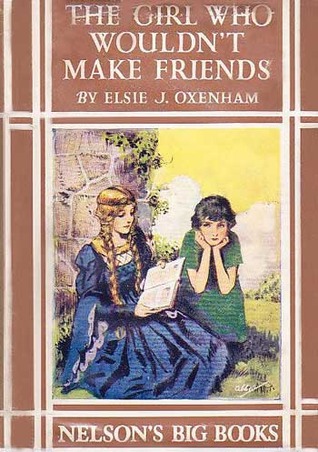
With a rating of 4 out of 5 stars, I recently uncovered a gem during a nostalgic visit to a second-hand bookshop in a town where I once lived. After a long drive, I stumbled upon a crate overflowing with Elsie J. Oxenham’s works, many of which I'd never encountered before. Among the treasures was The Girl Who Wouldn’t Make Friends, a substantial volume published in 1909. This book offers a rare glimpse into Oxenham’s early efforts to infuse adventure into her narratives, departing from her more familiar setting in the Abbey, and it provides a unique storyline involving thrilling escapades in Wales.
The plot centers on Robin Brent, who learns she has inherited a grand estate in Wales—an unexpected twist resulting from the deceased’s affection for Robin's mother. This foundation sets the stage for a series of eventful encounters. Robin’s mother remarries, prompting a complicated relationship with the estate's previous heir, Gwyneth. The tension builds as Gwyneth, who harbors resentment towards the newcomers, initiates a series of conflicts that propel the story forward. Oxenham’s portrayal of childhood grievances and mischief stands out in a literary era where such emotions were often dismissed.
An Unconventional Journey
The narrative develops through Gwyneth's perspective, showcasing her belief that her home and her feelings have been unjustly taken from her. This conflict is dynamic, as readers witness Gwyneth's attempts to assert herself and her frustrations. Throughout the novel, readers are given insight into the minds of children who grapple with genuine emotional responses—a refreshing portrayal compared to typical depictions of childhood in literature from the time.
Oxenham incorporates various thrilling scenarios, infusing the tale with adventure that feels somewhat unconventional for her style. There are hair-raising moments where Gwyneth uses her adept driving skills to cause trouble for Robin and her friends, which certainly raises eyebrows among modern readers. The audacity of these adventures, as well as the stakes involved, highlight the author's experimental phase as she sought to carve out her literary identity—a bold step away from her traditional character-driven narratives.
Character Dynamics and Themes
Another intriguing aspect is the interplay between adventure and character development. While the plot is more action-oriented than many of Oxenham's later works, the story does not lose its focus on fundamental human interactions. Themes of friendship, misunderstanding, and eventual reconciliation resonate throughout these pages. As tensions mount, the characters' experiences speak to the universal struggles children face in forming friendships and resolving conflicts.
Furthermore, Oxenham invites readers to engage with her character's complexities. Gwyneth's antagonistic behavior reflects not merely malice but the deep-seated insecurities and fears that accompany her situation. In contrast, Robin represents a nurturing presence that seeks to bridge divides, even when faced with physical threats. The author illustrates how diverse backgrounds and motives contribute to the rich tapestry of relationships—a poignant reminder of the challenges within social dynamics.
Contemporary Reflections
However, it’s essential to address how certain elements of The Girl Who Wouldn’t Make Friends may not align with contemporary perspectives. Readers might find outdated ethnic and racial stereotypes that reflect the societal norms of the early 20th century. Additionally, some interactions with animals verge on the unacceptable by today's standards. While these aspects may detract for some, they also provide insight into the historical context of children's literature, allowing for reflection on how far the genre has evolved.
Ultimately, this novel captures oxenham’s formative explorations into narrative structure. It deviates from her later focus on interpersonal relationships, showcasing how plot and adventure can coexist effectively within her writing. Fans of early children’s literature and those interested in the evolution of storytelling will find much to appreciate in this work. Oxenham’s experimental tendencies lay the groundwork for her future stories that would increasingly hinge on interpersonal connections, even amidst action-driven plots.
The journey of Robin and Gwyneth may not merely serve as a narrative about making friends; it also encapsulates the triumphs and tribulations surrounding interpersonal relationships. For readers willing to traverse the whimsical hazards of 1909, The Girl Who Wouldn’t Make Friends promises an engaging ride through the complexities of friendship wrapped in a cozy adventure.