In lane Publishing Industry
Exploring Magic and Folklore in Douglas Hill's "Witches & Magic-Makers"
Description
Douglas Hill's "Witches & Magic-Makers" delves into the history and folklore of witchcraft, crossing cultures and challenging preconceived notions with rich imagery.

Douglas Hill's "Witches & Magic-Makers" offers a captivating exploration of global witchcraft lore and the historical narratives of those believed to possess magical talents. Part of the revered Eyewitness Books series, this title stands out not just for its informative text but for its rich visual representation, immersing readers in a historical journey through time.
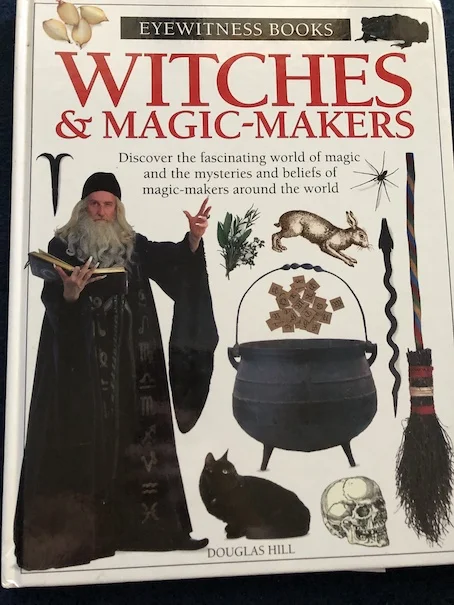
Historical Context and Global Perspectives
In "Witches & Magic-Makers," Hill navigates through the multifaceted beliefs surrounding witchcraft and the magical arts. The book examines the dual nature of witches: revered figures endowed with protective abilities and feared entities capable of causing harm. This duality is a theme echoed in cultures worldwide, where tales of witches, wizards, and folk magic emerge from ancient folklore and modern adaptations alike.
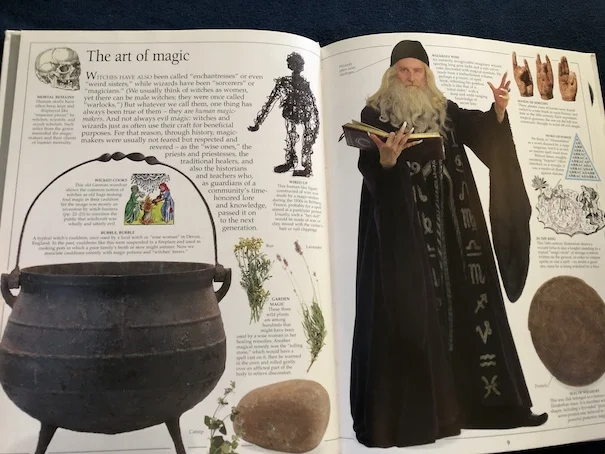
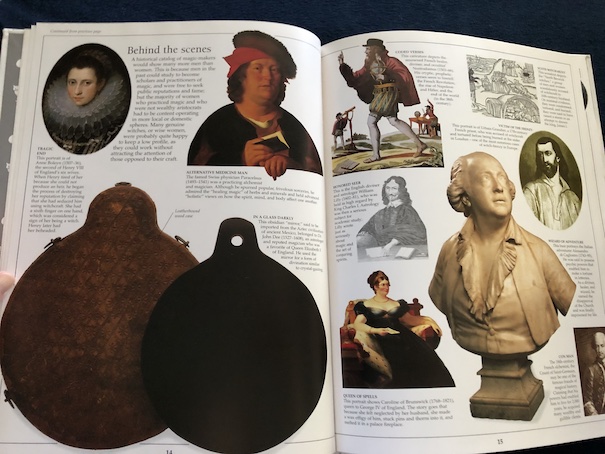
The text does not shy away from the grim realities of historical witchcraft trials, detailing instances such as the infamous Salem witch trials where fear often led to persecution. Hill adeptly discusses how societal fears around magic have historically resulted in tragic outcomes for those wrongly accused or marginalized due to their beliefs or practices.
Magical Practices and Beliefs
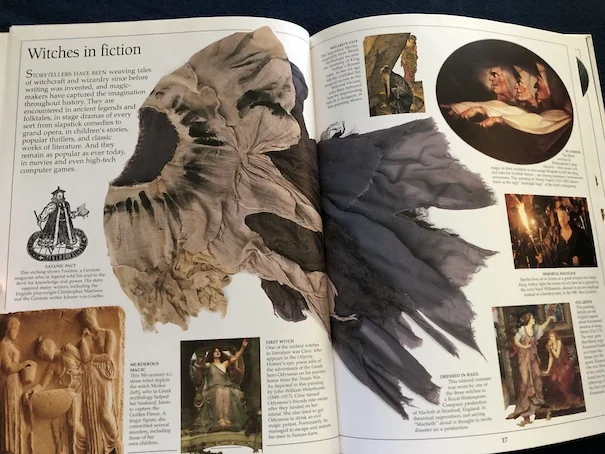
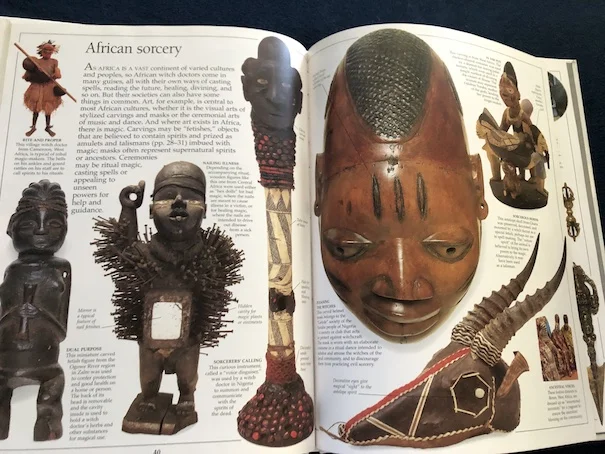
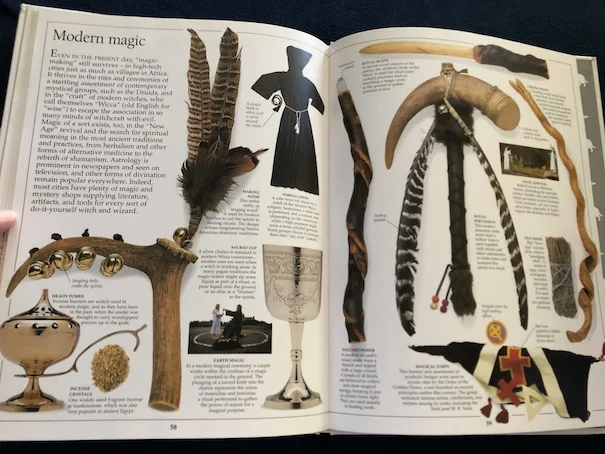
One of the highlights of "Witches & Magic-Makers" is its insightful illustrations of the various objects, amulets, and ingredients associated with magical practices. Hill meticulously explores how these items are believed to hold specific powers. For example, readers encounter a diverse array of magical amulets; some are embedded with religious significance that triggers reflections on the boundaries between magic and divine influence:
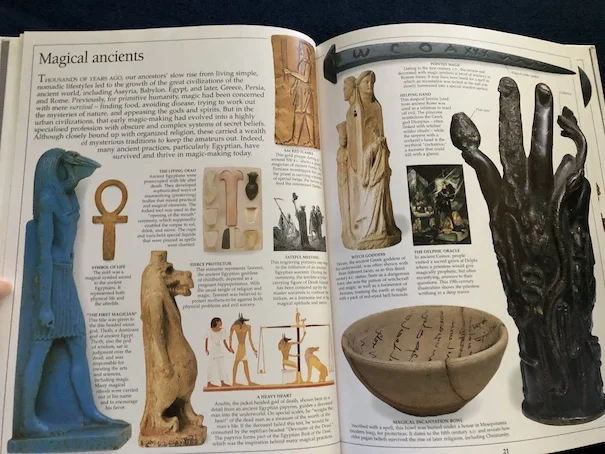
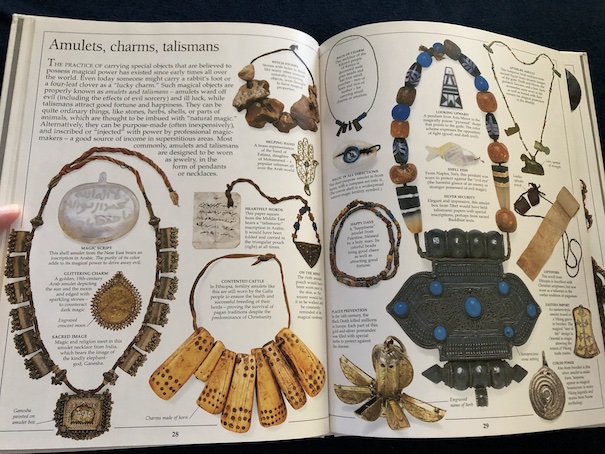
These elements serve to highlight an essential theme of the book—the connection between belief systems and the tangible items that individuals hold dear. Whether stemming from folk traditions or modern-day practices, these belief systems shape people's perceptions of what magic can achieve.
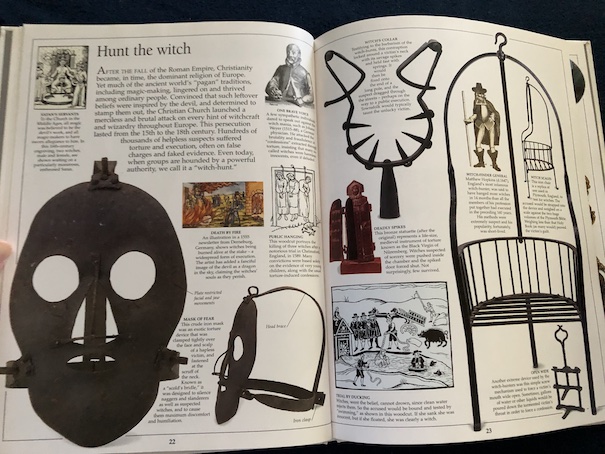
Divination and Magical Potions
Hill also dives into the art of divination—methods that people have used to attempt to predict the future. This section touches on ingredients commonly thought to be critical in concocting magical potions. While the practical outcomes of these potions remain dubious, the cultural impact and intrigue behind them are undeniable.

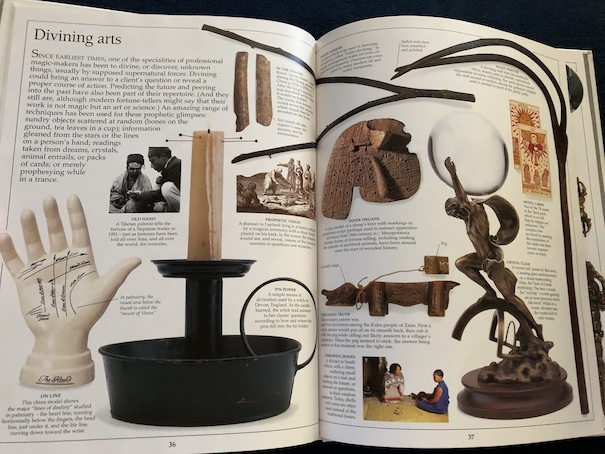
Through various cultural lenses, the book examines how different societies interpret and engage with magic, from traditional practices in Africa and India to modern interpretations found within New Age spirituality and Wicca. It reveals a rich tapestry of beliefs, showcasing how each culture navigates its relationship with the mystical.
Reflections on Personal Beliefs
The author, reflecting on his experience with the book, acknowledges its potential for controversy but emphasizes its historical and cultural focus rather than instructional practices. Hill shares his own journey through a short-lived fascination with magic during childhood, identifying the distinction between interest in the folklore versus a genuine belief in magical practices. His anecdote resonates, positioning him as an observer rather than a participant:
"I remember dabbling in my exploration of magic at the tender age of ten. However, I soon realized that some practices were not for me, particularly those that involved components I found unsettling."
Further Resources and Modern Interpretations
As the book closes, it engages with the evolution of magical beliefs, particularly in the context of Wicca and contemporary practices. Those interested in delving deeper can explore documentaries and additional resources, such as the life of Wicca's founder, Gerald Gardner—an eccentric character in his own right, adding layers to the discussion of modern witchcraft.
Conclusion
"Witches & Magic-Makers" not only serves as a guide through the history and folklore associated with witches but also invites readers to ponder broader themes of belief and skepticism. Hill’s emphasis on visual storytelling alongside descriptive historical texts makes it an appealing resource for both young readers and adults. With its accessibility through platforms like Internet Archive, this title stands as a testament to the enduring allure of magic in human culture.
Readers interested in engaging with the history of witchcraft while enjoying vivid illustrations will find this book both enlightening and thought-provoking.