In lane Publishing Industry
Magic and Friendship Blend in "No Such Thing as a Witch"
Description
Ruth Chew's "No Such Thing as a Witch" enchants readers with the tale of magical fudge, animal communication, and a neighborly friendship that transforms perspectives.

Exploring the Magical World of Ruth Chew's Classic
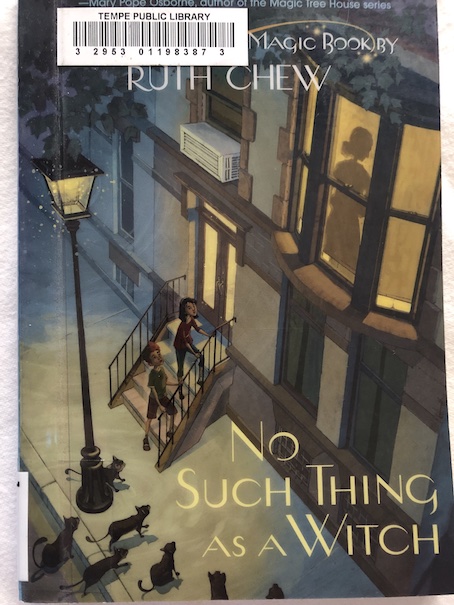
Published in 1971 and reissued in 2013, No Such Thing as a Witch by Ruth Chew introduces young readers to the delightful curiosity of childhood blended with whimsical magic. When siblings Nora and Tad welcome a new neighbor, their initial wonder piqued by their odd but charming experiences unfolds into a heartwarming adventure that encourages the love of animals and embraces community relationships.
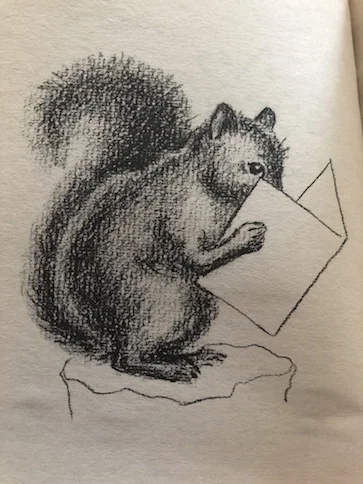
Their new neighbor, Maggie Brown, swiftly captivates the children's attention with her peculiar knack for communicating with animals. It all begins when they witness an unlikely sight: a squirrel seemingly reading a tiny newspaper, which turns out to be one of Maggie's business cards, showcasing her pet-sitting services. As the children explore further, they become captivated by Maggie’s unique abilities, which are revealed to be linked to a special fudge she makes from an old family recipe.
The Allure of Magical Fudge
The story's magic revolves around this fudge, which, according to Maggie, is more than just a treat. With one bite, individuals find themselves inexplicably drawn to animals, even if they were indifferent beforehand. Eating additional pieces unlocks further magical abilities, allowing the consumer to communicate with animals, act like them, or even transform into them, creating rich interactions that are both fun and insightful.
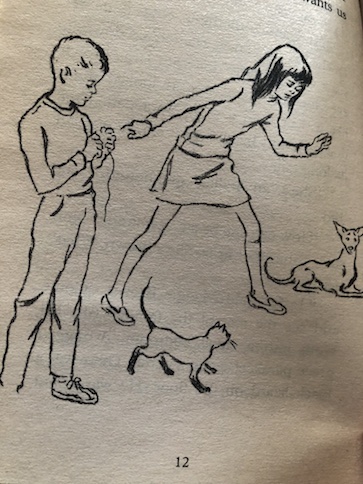
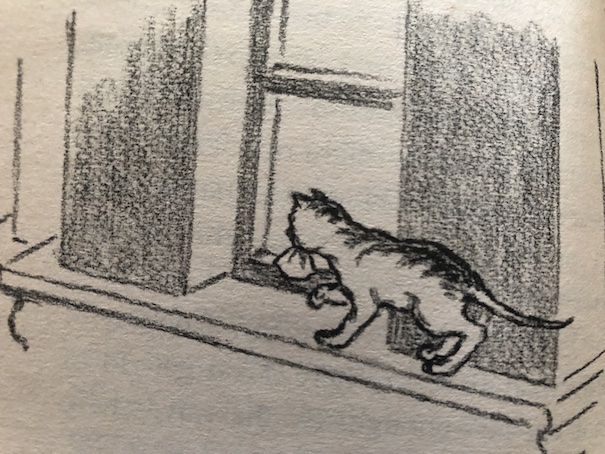
Tad, displaying typical childhood enthusiasm, finds himself in a comedic but precarious situation when he indulges a bit too much in the fudge. After eating too many pieces, he luxuriously transforms into a cat, presenting a series of challenges for Nora who must help cover for her brother until the spell wears off. This playful twist on the narrative captivates readers with its humor while exploring themes of empathy and understanding toward animals.
Maggie's Role and the Community’s Response
The children’s evolving relationship with Maggie provides a key commentary on community dynamics and the varying perceptions of adults towards the magical. Nora's initial hesitance leads to skepticism about Maggie, further fueled by some questionable practices, like the feather plucking of a bird that Maggie is tending. Yet, in a revealing moment of clarity during a zoo visit, Nora discovers that Maggie's actions were medicinal rather than malicious, highlighting the important lesson of looking beyond first impressions and understanding the reasons behind actions.
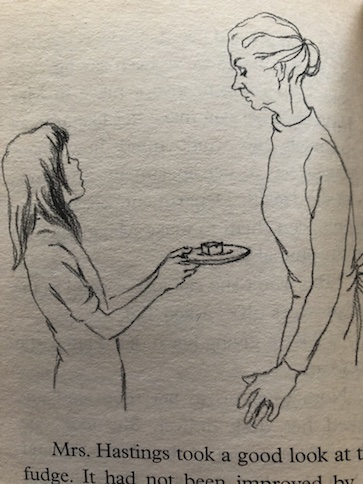
However, not everyone views Maggie favorably. Tension arises when a local shopkeeper and her landlord take issue with Maggie’s unconventional pet care, leading to plots for confrontation that further emphasize the theme of acceptance versus misunderstanding. As Nora and Tad witness the negative repercussions of Maggie's magical acts, they devise their own scheme to use the fudge to help others develop a love for animals, hoping to transform their landlady's perspective through sweetness.
Magic Beyond the Page
This book, available for free on Internet Archive, holds a timeless charm that resonates with both young and mature readers. It paints a compelling picture of childhood wonderment, where magic serves as a vehicle for meaningful lessons in empathy and friendship. Although the adults remain oblivious to the source of the children’s adventures, the richness of experience and changed attitudes they foster echoes long after the fudge loses its effect.
Personal Reflections on the Story
Reflecting on No Such Thing as a Witch, it’s a bright and engaging story that reveals how friendships can blossom through shared experiences, even more so when sprinkled with a bit of magic. The children's journey becomes a gentle reminder that our relationships with animals often reflect our attitudes towards life and respect for all living beings. It offers a comforting message—that sometimes, magic can help us connect with others in unexpected ways.
Interestingly, the dynamics between Nora, Tad, and Maggie highlight a subtle observation about social expectations. Nora’s mother insists on addressing Maggie as “Mrs. Brown,” emphasizing the value of formality. This reflects a shift in cultural norms related to respect and familiarity between generations, making readers contemplating how their own relationships with authority figures have evolved over time. Recognizing Maggie by her first name can be seen as a bridge between childhood simplicity and adult complexity, resonating with the reader’s own experiences navigating similar boundaries.
In conclusion, Ruth Chew's No Such Thing as a Witch enchants with its blend of humor, magic, and profound lessons on friendship and acceptance. It’s a story that cleverly redefines perceptions of the mundane, allowing us to see that, indeed, acceptance may just take a sprinkle of enchantment.