In lane Publishing Industry
A Heartfelt Conversation with Katina Nadebaum on Her Debut Picture Book, Get Lost, Zoomer!
Description
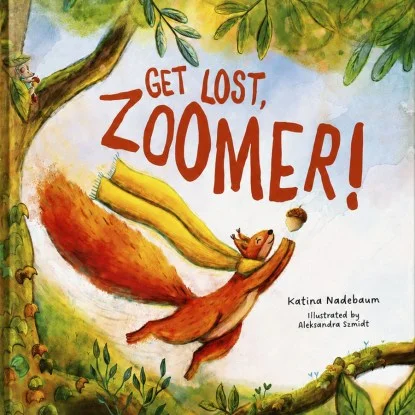
Explore our interview with Katina Nadebaum, who discusses her inspiring debut picture book, Get Lost, Zoomer!, celebrating neurodiversity and belonging.

We're thrilled to introduce the vibrant world of Katina Nadebaum and her heartwarming debut picture book, Get Lost, Zoomer! This delightful tale unfolds the journey of Zoomer, an energetic squirrel who experiences the world in his own unique way. Through his adventures alongside a cast of whimsical characters, Nadebaum explores themes of difference, belonging, and the importance of recognizing both our strengths and those of others.

Katina’s storytelling captures the essence of feeling misunderstood—a struggle many children face. Her personal connections to the narrative stem from her advocacy in the neurodiversity space, bringing forth her own experiences with ADHD. In our conversation, Nadebaum eloquently illustrates how stories can foster understanding and empathy while empowering young readers to embrace their individuality.
The Spark of Inspiration
When discussing where the inspiration for Get Lost, Zoomer! came from, Katina revealed that the idea began with a simple squirrel she observed during a holiday in Thailand. She noted how squirrels embody curiosity and cleverness, always moving and exploring. "It reminded me of kids who notice details, think creatively, and don't follow conventional paths," she shares. This metaphor translated into Zoomer, a character designed to resonate with young readers looking for reassurance in their differences.
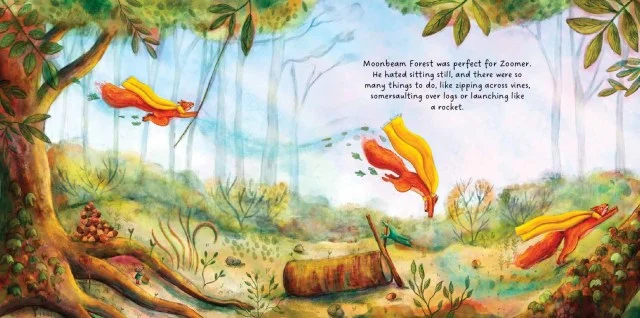
The supporting characters—Whimsy, Mossy, and Ruffles—alongside Zoomer, were crafted to reflect the diverse personalities that children can recognize in themselves and their peers. Rather than being defined by labels, each character showcases unique qualities, fostering a sense of warmth and familiarity.
Zoomer's Journey
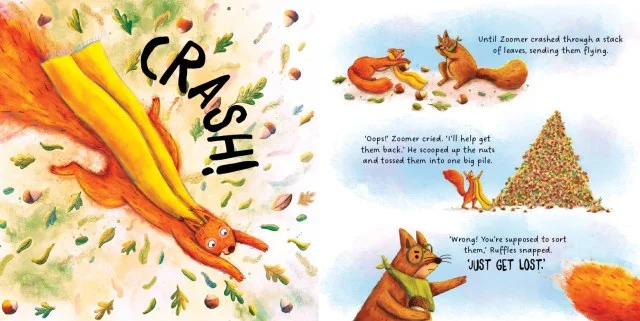
As for Zoomer himself, Katina describes him as energetic, curious, and sensitive, often meaning well but finding himself at odds with others due to his impulsive nature. "When told to 'get lost,' he starts questioning his place and whether he truly belongs," she explains. This internal struggle resonates deeply with children who may feel misunderstood, and Zoomer's eventual realization that he doesn't need to change who he is to belong serves as a powerful message of acceptance.
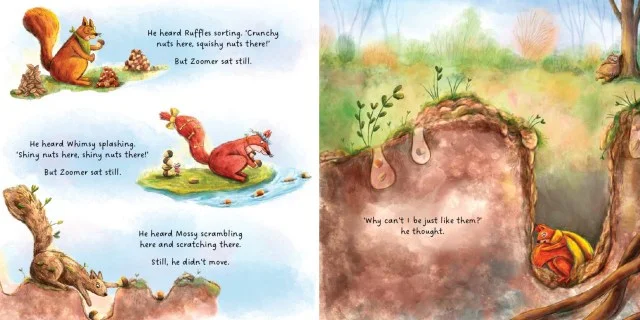
a real turning point in the story occurs when Zoomer embraces his instincts. "He reacts in crucial moments, allowing his unique qualities to shine—traits initially seen as chaotic turn out to be valuable," Nadebaum points out. This highlights the book's core message: that perceived weaknesses can indeed be strengths, encouraging children to find confidence in their identity.

The Role of Parents and Caregivers
Katina expressed her hopes for readers to come away from her stories feeling more confident in themselves. "Children grapple with societal expectations dictating who they should be. My aim is to convey that they don’t have to change to fit in," she states. She emphasizes the role of adults, suggesting that understanding often starts with listening. Parents and caregivers should advocate for their children by fostering strong relationships with educators and helping create supportive environments that allow kids to flourish.

Illustrations That Bring the Story to Life
The vibrancy of Get Lost, Zoomer! is complemented beautifully by illustrations from Aleksandra Szmidt. Katina praises Szmidt for capturing the energetic essence of the story with her dynamic, expressive artwork. "Her illustrations are alive with movement, and her depiction of Moonbeam Forest feels enchanting and playful," Nadebaum remarks. Each character's unique personality shines through their expressions and actions, adding depth to the reading experience.
Readers can expect to discover new details with each page turn, as Szmidt manages to convey warmth and humor throughout the story. Katina feels fortunate that the artwork makes Zoomer and his adventurous world more engaging and relatable for children.
Advocacy and Personal Connection
In addition to her writing, Katina is deeply involved in advocacy for ADHD and neurodiversity. She serves as a director at the ADHD Foundation Limited and is a member of the Neurodiversity Advisory Board at Scope Psychology. Reflecting on her dual roles, she states, "Each of these paths leads back to the same belief: it's about understanding lived experiences and recognizing the strengths that come with them." This holistic approach shapes her narratives, focusing on the whole child rather than just their challenges.
Ultimately, Katina’s passion lies in ensuring every child feels seen and celebrated. "You don’t have to become someone else to belong," she reiterates, leaving us with a poignant final thought about self-discovery and acceptance. Her journey as an author and advocate seamlessly integrates, emphasizing the value of storytelling in shaping perceptions around neurodiversity and embracing individuality.
Favorite Moments and Takeaways
When asked about her favorite part of the story, Katina highlights the moment when Zoomer embraces his unique way of engaging with the world and makes a significant impact by helping his friends. This moment signifies the journey from feeling different to realizing that these differences are what enable him to contribute to his community. Katina's goal is for readers—both young and adult—to find strength in their differences and encourage open dialogue about self-acceptance.
The book's vivid imagery and warm narrative are sure to resonate with children and parents alike, making Get Lost, Zoomer! a must-read in modern children's literature. As Katina describes her work and personal journey, it's clear that her stories are more than just entertaining; they serve as tools for understanding and connection.
For readers keen on diving into this imaginative tale, Get Lost, Zoomer! is available for purchase through Katina Nadebaum’s website. Katina’s captivating storytelling, combined with Aleksandra Szmidt's vibrant illustrations, promises a heartfelt experience that children will cherish.
Katina's work transcends mere storytelling; it fosters a sense of belonging among young readers and encourages them to embrace who they are. As they traverse the page with Zoomer, they learn that everyone has a place and that being themselves is their greatest strength.
To keep up with Katina Nadebaum and her advocacy efforts, you can follow her on social media or visit her official website. This delightful exploration of neurodiversity and self-acceptance is sure to inspire conversations for both children and adults, reminding us all that the qualities that make us different are what make us special.