In lane Publishing Industry
Exploring Neurodiversity Through Engaging Middle-Grade Fiction
Description
This review highlights three new middle-grade novels that explore neurodiversity, offering valuable insights for young readers about disorders like synesthesia, ADHD, and OCD.

Brainbow by Maya Henderson (Little, Brown Ink, 248 pages, grades 3-7) introduces readers to Rosie, who hopes for an easier middle school experience by following in the footsteps of her best friend, Harper. Both girls try out for the school's math league, but only Harper secures a spot. When Rosie is made the team manager, conflicts arise almost immediately over the colors used for the team t-shirts. A new friend, Yara, opens Rosie's eyes to the concept of synesthesia, a condition she too experiences that allows her to perceive letters and numbers in specific colors. This unique perception explains why Rosie enjoys creating art while listening to music and gives her an avenue to express herself creatively.
As Rosie and Yara's friendship deepens, Harper grows jealous, escalating tensions. When Harper then steals money from the math league and allows Rosie to take the fall, the climax unfolds as Rosie finally stands up to her deceitful friend. By the end, Rosie recognizes where her true talents lie—with Yara at the art club, rather than with an untrustworthy companion. The book includes an informative section on synesthesia as well as an author’s note reflecting on Henderson’s personal experiences with the condition. Given that around 4% of the population may experience some form of synesthesia, this novel offers a chance for many readers to relate personally or recognize this condition in others.
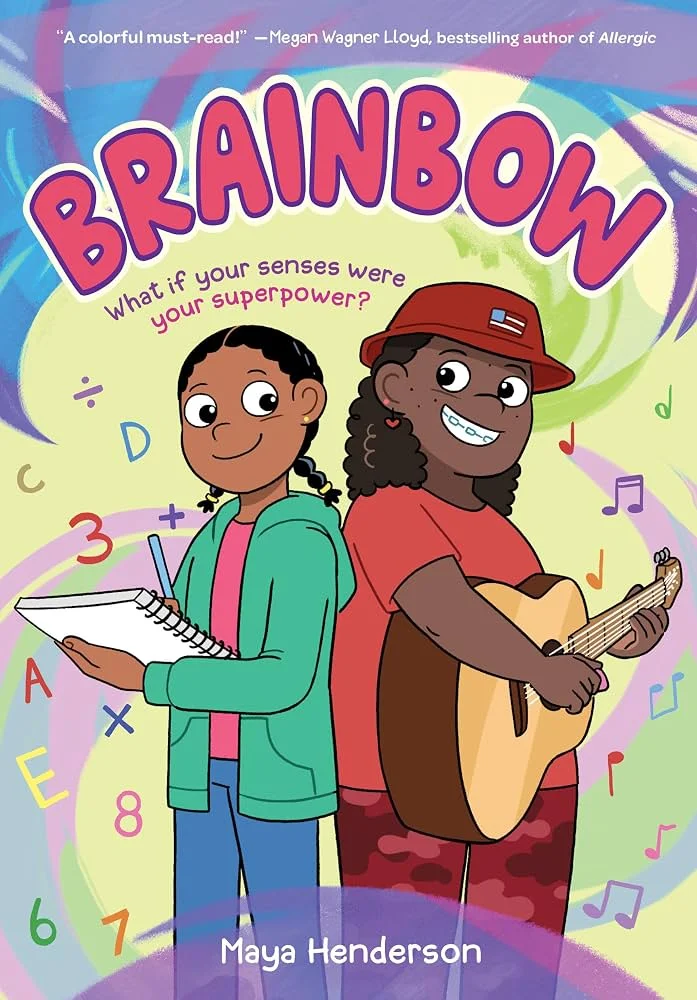
Henderson skillfully interweaves the topic of synesthesia into a rich narrative about friendship and self-discovery. The visual depictions of Rosie’s vibrant perceptions enhance the storytelling, making it accessible and engaging for readers. In a world where labels can sometimes feel divisive, this book portrays the beauty of neurodiverse experiences and the importance of being true to oneself and one's artistic inclinations.
Feeling Like an ADHD Alien by Pina Varnel (Rocky Pond Books, 336 pages, grades 5-10) follows Kiki, a girl who struggles with the everyday challenges that come with ADHD. Feeling out of step with her peers, Kiki longs for the day when she’ll fit in and not constantly battle issues related to time management, task completion, and emotional regulation. A pivotal moment occurs after a tense exchange with a friend prompts Kiki to contemplate the possibility of having ADHD.
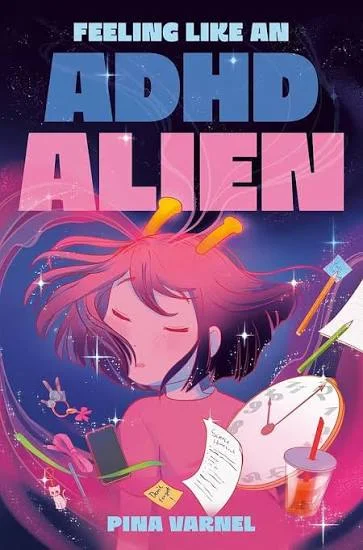
Breaking the news to her mother proves to be daunting, but after some reluctance, her mom arranges a diagnostic evaluation. The diagnosis brings a sense of relief, as Kiki learns about her condition and starts a regimen that includes medication and coping strategies. This storyline covers the various symptoms of ADHD through relatable scenarios, including executive dysfunction and working memory challenges, making it easy for readers to grasp the nuances of cognitive differences.
The value of this book lies in its practical guidance; the latter chapters outline strategies tailored for excelling in various life situations affected by ADHD. A particularly impactful aspect is Kiki’s friendship with another girl who shares the same diagnosis but chooses a different path regarding medication. Their discussions around treatment options present a balanced perspective that could empower readers to make informed decisions about their own journeys with ADHD.
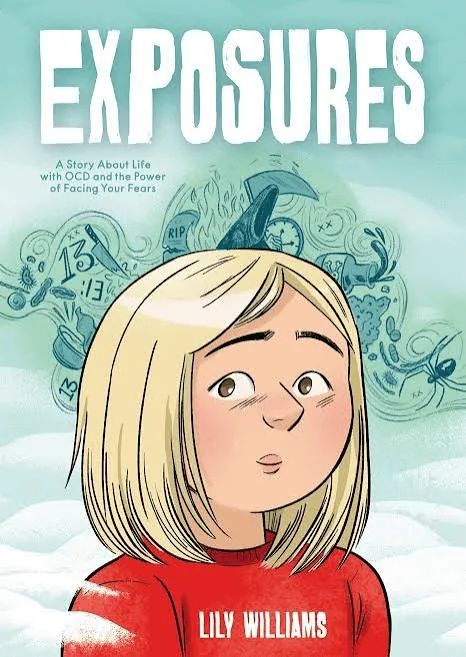
Exposures: A Story About Life with OCD and the Power of Facing Your Fears by Lily Williams (First Second, 352 pages, grades 5-8) centers on 12-year-old Peyton, who grapples with obsessive-compulsive disorder. Her daily life is understandably dictated by worries and compulsions, from counting to avoiding the color red and the number 13. The story takes a serious turn when a family change forces Peyton to confront her anxieties head-on during a panic attack, leading her parents to seek professional help.
Through therapy, Peyton learns not only about her condition but also about her resilience in facing fears that once seemed insurmountable. Williams portrays the difficult journey through exposure therapy, where readers witness Peyton's determination to reclaim control over her life, leading to significant personal growth—like considering trying out for her school’s ski team, something she had previously avoided due to her fears.
The narrative shines a light on what living with OCD truly involves, effectively employing illustrative techniques that visualize her mental state, using colors such as red to signify anxiety. This book not only serves as a mirror for those who battle OCD but also as a window for others to gain insight into the condition. The author’s note discussing her own experiences with OCD emphasizes the importance of representation and understanding in literature.
Each book addresses a specific aspect of neurodiversity, capturing the intricacies of various conditions while remaining engaging and age-appropriate. With relatable characters and heartfelt storylines, these novels create valuable opportunities for discussion among young readers, contributing to greater awareness and sensitivity towards different neurological experiences.