In lane Publishing Industry
Jevita Nilson and Heidi Cooper Smith Bring Australian Nature to Christmas Wild
Description
The creators of Christmas Wild share how Australian wildlife, family memories and watercolour illustration shaped this festive picture book.
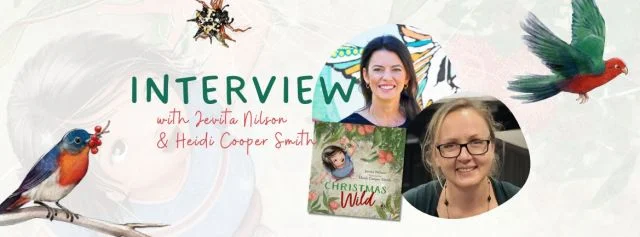

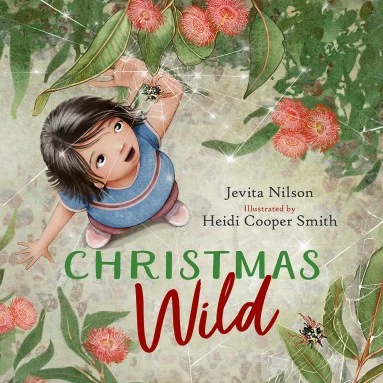
For Jevita Nilson, the end of Christmas can feel like packing away some of the season’s magic. Her new picture book, Christmas Wild, follows that feeling into the Australian outdoors, where a child discovers that festive connections turn up in nature long after the decorations are stored away. Illustrated by Heidi Cooper Smith and published by CSIRO Publishing in 2026, the book brings Christmas traditions together with Australian flora and fauna.
Nilson and Cooper Smith spoke about the family experiences behind the story, the wildlife that surprised them, and their hope that young readers will take their curiosity outside.
Finding Christmas in the natural world
The idea began with Melinda Chandler at CSIRO Publishing, who had worked with Nilson on two earlier books and invited her to consider another collaboration. The proposed subject—Australian plants and animals with Christmas connections—caught Nilson’s attention because it felt fresh and playful.
She and Chandler explored links through species’ names, colours and appearances, as well as their resemblance to Christmas symbols and traditions. Nilson then built the book around Rosie, a child who feels low when Christmas is over. Rosie begins to notice that the natural world holds festive associations throughout the year, giving young readers a story-led route into Australian wildlife.
Rosie is fictional, though parts of her adventures draw on Nilson’s own childhood and life with her children. Nilson recognises the sadness of putting away decorations and losing the special feeling of the season. A snorkelling scene also recalls a childhood family trip to the Great Barrier Reef. Her family didn’t see Christmas tree worms on that visit, but the marine life they encountered stayed with her.
Another memory came from a family trip south of Perth, where Nilson’s family walked beneath the webs of Christmas tree spiders. They didn’t know what the spiders were at the time, and the children were alarmed by the webs overhead. They still talk about the encounter. For Nilson, details drawn from lived experience help her bring a moment’s wonder onto the page.

Research held within a child’s voice
The research brought a new discovery for Nilson: Christmas tree worms. These small animals live in burrows in coral reefs around the world, including the Great Barrier Reef, and can live for up to 40 years. Their bright, spiral forms are feathery structures used for breathing and gathering food. Nilson was also fascinated to learn that the worms help protect coral and support reef recovery.

Cooper Smith found the chosen wildlife compelling, and admired how Nilson threaded the species into the narrative. Researching the imagery made her want to travel around Australia and see more of its natural wonders herself.
Balancing facts with a lively story took care. Nilson wrote in the first person so children could discover the wildlife alongside Rosie, and aimed to keep the information within the child’s point of view. Facts appear through conversations with adults and Rosie’s own observations, while more detailed material sits in the book’s back matter.
Humour helps keep the text light. Rosie wonders whether the Christmas Island frigatebird stores presents in its sac like Santa, while family traditions at the beginning and end of the story anchor the wildlife discoveries in a familiar Christmas setting. Nilson says she tends to write too much in early drafts, then cuts during editing. With so many species and seasonal connections to consider, each word had to earn its place.
Watercolour, detail and discovery
Some images came quickly to Cooper Smith, including Christmas Island’s crabs and fields of wildflowers. She grew up next door to Girraween National Park; “Girraween” means “place of flowers.” Much of the subject matter was new to her, however, and developing the storyboard took time.
Her process begins with traditional watercolour sheets. She scans the paintings, then builds colour and texture digitally, using both cloning and watercolour brushes. Nilson praises the result for its vibrant detail and realistic quality, singling out the reef spreads as favourites. Rosie’s expression on the cover, she says, captures the story’s sense of wonder.
The illustrations also reward a second look. Nilson points to a Christmas tree that gathers elements from the story and a picture on Aunt Sadie’s wall that quietly recalls an earlier scene. Those small visual links give readers more to notice on each return to the book.

From reading to exploring
Nilson hopes the book will spark questions rather than feel like a lesson. She wants children to encounter a plant or animal outdoors and remember seeing it in Christmas Wild. Cooper Smith hopes it will encourage them to spend more time in nature and perhaps make art inspired by what they find there.
For Nilson, an Australian Christmas means sunny days, beach trips and warm evenings in the backyard as the stars appear. She also likes bringing native flowers and foliage to the Christmas table, with waratah and banksia among her favourite plants.
Teachers and families can find discussion questions and activities connected to the Australian curriculum in CSIRO Publishing’s teacher’s notes. Nilson suggests making a list of personal “Christmas wild” discoveries or researching how the book’s plants and animals have adapted to their environments. The simplest invitation is also the one closest to the book’s spirit: step outside, look carefully and ask questions.

About the creators

Australian children’s author Jevita Nilson began writing for young readers in 2018. Her debut picture book, Happy Hearts, was published by New Holland Publishers in 2020. Her books with CSIRO Publishing include three non-fiction picture books: Our World Full of Wonder (2024), Our World of Wild Wonders (2025) and Christmas Wild (2026). She writes lyrical fiction and non-fiction that bring together nature, family, emotions and childhood, as well as rhyming picture books and chapter books. More about Nilson is available at her website, Instagram and Facebook.

Brisbane-based illustrator Heidi Cooper Smith turned to picture-book illustration after having three young children and a growing collection of books. Over the past ten years, she has worked with ten publishers on picture and chapter books. She also writes playful stories, illustrates with digital watercolour brushes and works as a production potter. Her recent releases through CSIRO Publishing are Hatch and Christmas Wild. Find her work at her website, Instagram and Facebook.
Christmas Wild is available at bookstores and through CSIRO Publishing.