In lane Genre Fiction
Exploring the Depths of Love in Claudia Riess's Art History Mystery Series
Description
Claudia Riess delves into the multifaceted nature of love within her Art History Mystery series, blending romance with art-themed mysteries.

Love is a profound theme that captures the essence of human experience, demanding extensive exploration through language and narrative. In her reflections, Claudia Riess illustrates how love—whether romantic, platonic, or familial—shapes human interactions and drives storytelling. It’s a versatile emotional palette, allowing for stories that resonate on multiple levels and linger long in a reader's memory.
The Compelling Nature of Love
Raised amidst classic tales like Wuthering Heights and Pride and Prejudice, readers become acutely aware of the magnetic pull of love stories, regardless of their known outcomes. Riess argues that there’s something inherently irresistible about revisiting these narratives, perhaps in the hope of redefining and reliving their conclusions. The enduring allure of love reflects our own desires and fears, weaving complexity into the fabric of relationships we crave to understand.
Romanticism as Narrative Foundation
Riess, identifying herself as an “incurable romantic,” integrates romance into her narrative structure, blending it with themes of friendship, loyalty, and humanitarian commitment. This multifaceted approach enriches her storytelling, allowing her characters to develop depth not only through their passions but through their interpersonal connections. In her Art History Mystery series, Riess presents protagonists Erika Shawn, an art magazine editor, and Harrison Wheatley, an art history professor, who navigate both intricate mysteries and evolving romantic dynamics.
Love as a Narrative Device
The tension and complexity of love unfurl across the novels in Riess's series. In Stolen Light, the first installment, readers witness Erika and Harrison confronting an academic mystery that escalates into something much more intense and dangerous. Their romantic relationship, ignited by perilous circumstances and internal conflicts, adds layers to the plot, echoing Riess’s belief that love can enhance and complicate narratives.
Apropos to this, Riess shares poignant excerpts from her books that illustrate the interplay between romance and mystery:
From Stolen Light: “She didn’t want to be alone though she never minded it…” showcases Erika’s internal struggle, foreshadowing the romantic developments to follow. The scene hints at her vulnerabilities, drawing readers into a sweet yearning for connection amid the unfolding drama.

Character Dynamics: A Study in Loyalty
As evident in False Light, love also develops through the interplay of character traits; Harrison’s tender interactions with a child underscore his inherent kindness and empathy, important traits that influence how he relates to those around him. In a memorable scene, as he engages playfully with a little boy, readers see how his character embodies the nurturing aspects of love, further enriching the narrative landscape.
Testing Boundaries of Fidelity
In Knight Light, the tension of loyalty is brought to the forefront. Harrison’s encounter with temptation poses challenges to his fidelity, laying bare the dichotomy of loyalty versus desire. This dynamic intensifies the romantic conflict that underpins their investigative work, augmenting the stakes of their relationship.
Exemplifying these sentiments, a conversation unfolds: Harrison’s steadfast, “That’s kind of you, but I’m married,” stretches the boundaries of temptation and fidelity, compelling readers to ponder the ramifications of his choices.
The Power of Love in Crisis
Riess’s narrative approach is particularly striking in To Kingdom Come, where Erika and Harrison face both an imminent threat and the primal instinct for self-preservation. As they grapple with danger, the presence of love transcends the instinct to survive, illustrating its power to influence decisions even in the most trying circumstances. “Go!” Harrison urges, emphasizing the desperation of their situation, yet love binds them together, complicating their actions with emotions that overshadow self-preserving instincts.
Exploring Vulnerability and Devotion
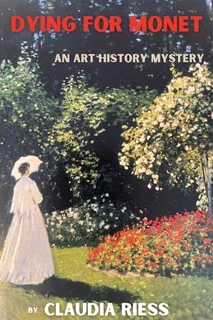
Further exploring the theme of vulnerability, Dying for Monet presents Harrison recovering from a traumatic injury, adding another layer to love’s complexities. Erika’s practical and unwavering support during intimate moments—like their struggle with the mundane aspects of recovery—reveals how love manifests in acts of service and understanding. “This is another level of knowing,” she tells him, emphasizing the deep connection forged through shared struggles.
A Balancing Act: Mysteries and Emotions
Yet, writing a mystery intertwined with romance poses its own challenges. Riess mentions the necessity of keeping the mystery at the heart of the narrative while allowing the emotional arcs to unfold without overshadowing the main plot. As she navigates this balance, she maintains that the exploration of love, even at the expense of the mystery’s clarity, is a worthy endeavor—a “small price to pay” for a richer narrative journey.
Conclusion: The Ongoing Journey of Love
The latest installment, Dying for Monet, involves an art auction gone awry, pulling the protagonists back into the chaotic world of art crime. This ongoing quest ties together the threads of love, loyalty, and mystery, inviting readers not just to solve art-related homicides, but to explore the enduring complexities of human relationships.
Claudia Riess’s approach to storytelling melds emotional depth with gripping plots, anchoring her characters in love’s myriad expressions. As her series continues, readers can look forward to more explorations of this powerful theme.
For more on Claudia Riess's work, visit www.claudiariessbooks.com.