In lane Book Reviews
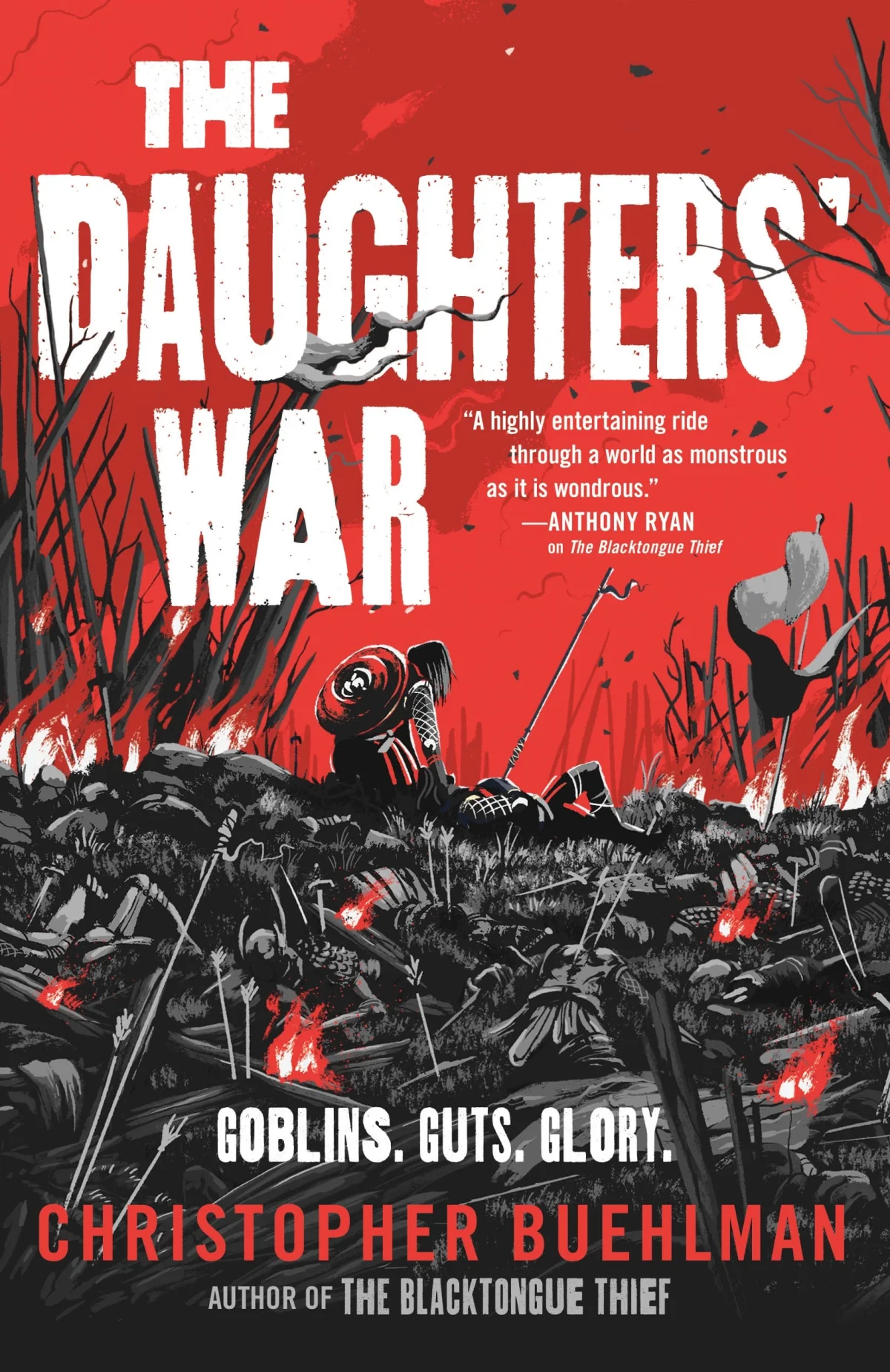
The Daughters’ War Review: Christopher Buehlman’s Devastating Fantasy Prequel
Description
Christopher Buehlman’s prequel follows Galva and the Raven Knights through a brutal fight against goblins, balancing grim fantasy with moments of tenderness.
Rating: 10/10



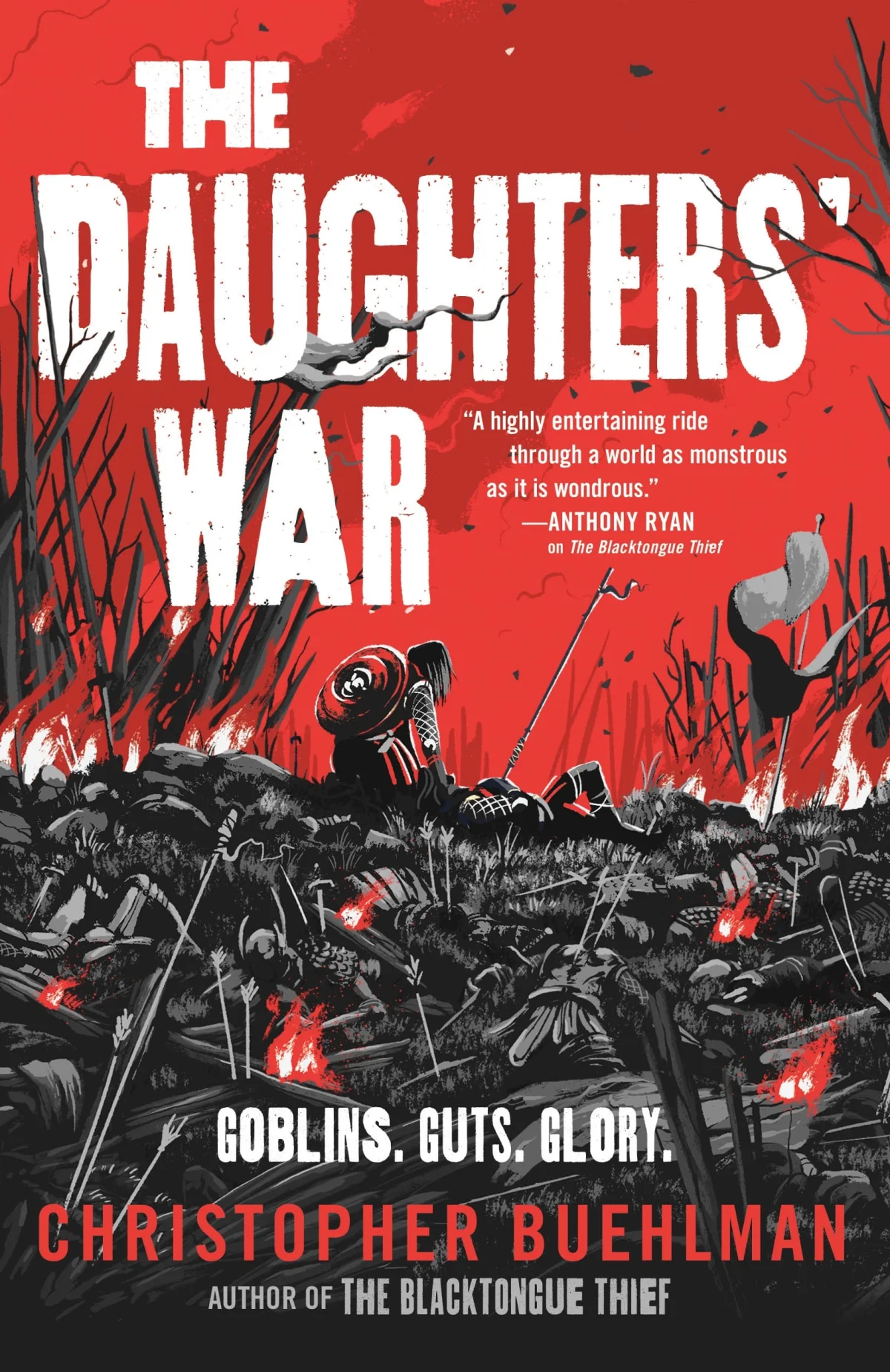
The Daughters’ War turns the history behind The Blacktongue Thief into a hard, intimate account of survival. Christopher Buehlman sends Galva into a conflict that has already devastated Gallardia, where the Raven Knights and their giant war corvids may be the last chance to halt the goblin hordes. The result is an absorbing fantasy whose emotional weight comes as much from its small acts of love as from its violence.
Galva’s story, before Kinch
Readers who know Galva from The Blacktongue Thief will find a younger, less seasoned version of her here. She has defied her family’s wishes to join the army’s untested Raven Knights. Her brothers Amiel and Pol, and the wayward Migaed, are part of the family history that gives her choices their personal cost. The book follows her through a world where the goblins have enslaved cities, ruined fields and killed most of the men who stood against them.
The scale of the threat shapes the novel’s mood from the start. After the Thresher’s War, the human forces have lost nine out of every ten men, and the goblin horde still presses on. Galva and the women around her are sent toward a city under goblin control, accompanied by immense black birds made through dark magic. These corvids are weapons, companions and hazards in their own right; the Raven Knights can’t assume they understand the creatures beside them, or the people leading them.
That bleakness sets the book apart from Kinch’s tale. His narration in The Blacktongue Thief finds room for wit and a stubborn, if limited, sense of hope. Galva’s account offers little comfort of that kind. The reviewer describes it as a story in which hope has already slipped away, leaving grief and endurance to carry the reader forward. Buehlman’s depiction of conflict is so relentless that the emotional toll is part of the reading experience.
Small bonds amid the brutality
For this reviewer, grief is the book’s defining thread. The violence is difficult to sit with, but the relationships make it matter. Galva’s connection with her brothers and the other people around her lends warmth to a story where safety is never assured. The reviewer also singles out Dom Braga, whose presence made the story feel especially personal, and the bond between Galva and her corvids, Dalgata and Bellu.
Those moments of affection don’t soften the book into something easy. They make its losses feel more immediate. The reviewer says that certain characters stayed with them long after reading, and praises the way Buehlman shapes Galva’s life through both devastating events and smaller, tender details. The novel’s power lies partly in that balance: the characters aren’t merely moving through a sequence of horrors, but building attachments that give each step meaning.
The goblins, previously encountered through stories in The Blacktongue Thief, become a far more direct and disturbing presence here. They treat kynd as livestock to be captured and eaten, and the reviewer finds their apparent lack of any discernible goal especially chilling. Their brutality gives the conflict a strange, alien quality. The enemy’s motives remain unclear, while the human cost is plain.
A vivid and unsettling fantasy world
Buehlman also expands the setting through the creatures, magic and customs Galva encounters. Fulvir Lightningbinder brings a menagerie of spells and beasts into the story. The reviewer highlights goblin Juggernauts adorned with human skins, bull men and war corvids, alongside treebinding, a form of magic that persuades trees to carry people over long distances.
Other details push the world further into nightmare: Goblin Moth Knights who worship the moth and wear masks made from human skin, and priests who scatter spores from nightmare caps while rattling human teeth. These images are grim, but they serve the book’s unsettling atmosphere rather than appearing as decoration. The setting makes the goblins feel strange and formidable, while the magic suggests a world where even travel can depend on a dangerous bargain with nature.
The reviewer initially questioned Buehlman’s choice to write Galva’s backstory before continuing the series. This reading changed their mind. The Daughters’ War gives the familiar character a fuller history and makes the grim conflict described in the earlier book tangible. Its 10/10 rating reflects a strong personal response to the writing and world-building, even though the reviewer stresses that the material is emotionally demanding.
Readers looking for the humor and buoyancy of Kinch’s narration may find Galva’s journey much darker. Those drawn to character-led fantasy, immersive world-building and stories that take the cost of violence seriously will find plenty to stay with. This is a prequel that earns its place by making Galva’s past feel lived in—and by leaving its reader with the people and losses she carries.