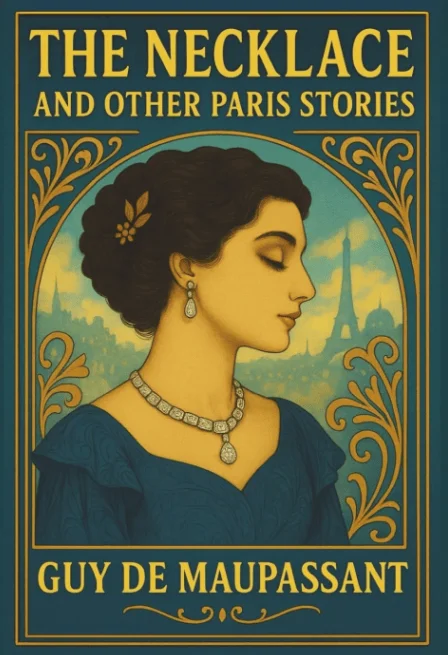
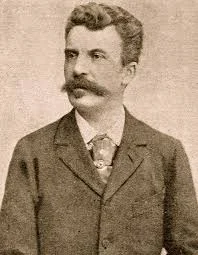
Exploring the Depths of Guy de Maupassant's "The Necklace"
LabelBook ReviewsDateAssigneeBook Club Mom
Description
Guy de Maupassant's "The Necklace" reveals the irony of longing for wealth, illustrating the perils of vanity through Mathilde Loisel's tragic journey.
"The Necklace" by Guy de Maupassant
⭐⭐⭐⭐⭐
Rating: 5 out of 5.
Short stories can captivate readers in ways that longer narratives sometimes miss, relying on concise language and impactful twists. Guy de Maupassant’s "The Necklace," first published in 1884, serves as a stellar example of this art form, showcasing a blend of realism and ironic dissatisfaction. The story revolves around Mathilde Loisel, a woman trapped in her own desires and societal expectations, presenting a critical examination of vanity, pride, and the consequences of striving for a life adorned with luxury.
The Life of Mathilde Loisel
Mathilde Loisel lives a modest life as the wife of a lowly clerk, desiring the fineries that she believes should be hers. This sense of entitlement and unfulfilled longing sets the stage for her character. Maupassant meticulously crafts her persona as both relatable and tragic; though beautiful, Mathilde measures her worth against societal standards of wealth and glamour. She dreams of luxury while living in an existence she finds utterly unsatisfactory—a theme familiar to many readers, one that echoes deeply in our contemporary society.
The Invitation to the Ball
The plot thickens when her husband surprises her with an invitation to a grand ball at the Ministry of Education—a chance for Mathilde to experience the high life she covets. However, instead of joy, her initial happiness quickly morphs into frustration as she laments her lack of suitable attire. In a poignant moment, her husband sacrifices his savings to buy her a beautiful dress, only for Mathilde to declare that she cannot possibly attend without jewelry to complement her outfit. This moment sensitively portrays how her aspirations lead her further from contentment. The transition from hope to despair is palpable, amplifying the story's tension.
The Role of the Necklace
In her quest for adornment, Mathilde borrows an exquisite diamond necklace from her affluent friend, Mme. Forestier. The necklace symbolizes the transformation of Mathilde’s perception, elevating her from the mundane into the world of elegance. Maupassant vividly describes her experience at the ball, illustrating how the jewelry captures the admiration of others and imbues Mathilde with a sense of victory and joy. The intoxicating allure of status and beauty momentarily blinds her to the impending reality.
“She danced with intoxication, with passion, made drunk by pleasure, forgetting all, in the triumph of her beauty…”
This exhilarating moment starkly contrasts with the calamity that follows—the loss of the borrowed necklace, which sets off a sequence of unfortunate events that define Mathilde’s fate. This twist reflects the devastating irony that underlies the entire narrative. For readers, it serves as both a lesson and a reflection on the superficial values that lead to personal ruin.
The Aftermath and Irony
After losing the necklace, Mathilde and her husband embark on a desperate search to replace it. This decision marks a drastic shift in their lives, plunging them into poverty and a decade of hardship as they toil to repay the debt incurred from purchasing a replacement. Maupassant's sharp commentary on the fragility of social status and the burdens of debt reveals deeper societal critiques, particularly the relentless pursuit of material wealth.
As the story draws to a close, the ultimate revelation unveils the cruel irony: the necklace was merely a costume piece, a counterfeit that had held no actual value. This twist forces both Mathilde and the reader to confront the illusory nature of their desires and the often-painful reality that accompanies them. Maupassant eloquently captures this sense of disillusionment, leaving readers with a lingering sense of regret for Mathilde's lost years and dreams.
A Timeless Reflection
"The Necklace" remains a timeless story that resonates with anyone who has ever felt trapped by their aspirations or judged by societal standards. It invites readers to ponder the true cost of vanity and the precarious balance between appearance and reality. Guy de Maupassant, influenced by contemporaries like Gustave Flaubert, deftly marries storytelling with social critique in ways that remain relevant today. Each reading offers fresh insights and reflections on our own relationships with desire and identity.
Have you experienced the piercing irony of "The Necklace"? How does Mathilde's story resonate with your understanding of wealth and status? Feel free to share your thoughts!
Thanks for taking the time to explore this classic story—return soon for more literary discussions!