In lane Book Reviews
Anthony Horowitz's "Marble Hall Murders": A Masterful Mystery and a Thrilling Conclusion for Susan Ryeland
Description
In "Marble Hall Murders," Anthony Horowitz delivers a gripping tale as Susan Ryeland resumes her role in the ongoing saga of murder and deception, blending intricate storytelling with unsettling revelations.
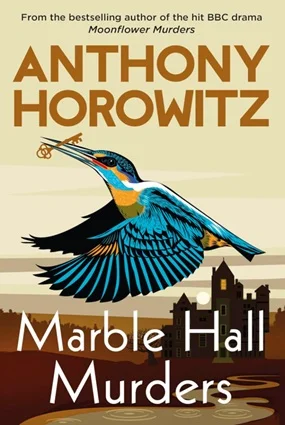
Susan Ryeland thought she had put the world of murder behind her after facing death on two occasions while unraveling the intricacies hidden within Alan Conway's novels. Now, feeling the pressures of financial need and a lure of the familiar, she finds herself compelled to edit Pünd's Last Case, a continuation novel in a series she thought she'd left behind. But this time, the stakes are higher, and the threats are ominous.
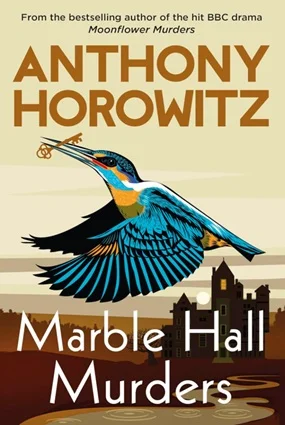
The author of this new installment, Eliot Crace, is a complex character haunted by his past, having been raised by the eccentric children’s author Miriam Crace. Eliot harbors deep suspicions regarding Miriam's death, convinced that her demise was more sinister than a natural occurrence. Consequently, he channels his anguish and need for closure into the story he's writing, using it as a platform to expose what he believes is her murder. However, as Susan begins to delve into the manuscript, it becomes clear that someone is willing to do anything to prevent the truth from coming to light—and Susan becomes a target.
A Page-Turning Experience
Engaging with this narrative, I found it impossible to tear myself away. Despite its hefty 590-page count, I immersed myself in the story over the course of a single day—a testament to Horowitz's compelling writing. There’s something to be said for an author who can weave a tale that not only captivates but also challenges the reader. In the spirit of the golden age of detective fiction, Horowitz skillfully hides clues within the layers of the narrative, setting a stage for revelations that are as surprising as they are satisfying.
The intricate structure of Marble Hall Murders elevates it beyond a simple whodunnit. Horowitz has crafted a dual narrative, combining the real-world murder with the fictional murder within Eliot's manuscript, mirroring Susan's own journey as both editor and investigator. It's intriguing how both plots converge, reflecting the complexities of each character’s motivations. While I managed to solve one aspect of the mystery, the other threads remained tantalizingly out of reach until the very end.
Character Development and Themes
What stands out in this installment is Susan Ryeland's growth and the relationships she cultivates. Her evolving friendship with one particularly enigmatic character adds depth and emotional nuance. Susan's determination to uncover the truth while navigating her own feelings of apprehension showcases her resilience and complexity. Eliot, too, is well drawn; his erratic behavior and unpredictable decision-making paint a picture of a tortured artist navigating his pain through storytelling.
The pressure that Eliot faces is palpable, and as Susan uncovers more about his past and present, the tension mounts. This layered character interaction lends the novel a richness that's often missing in lesser mysteries. It becomes clear that the real-world consequences of their intertwined lives are more significant than merely solving a mystery; it is about confronting truths that have long been buried.
Horowitz's Dual Hat as Writer and Screenwriter
Remarkably, Horowitz not only penned this intricate plot but also had to manage the script for its upcoming adaptation, resulting in a challenging yet thrilling creative juggling act. The seamless execution reveals Horowitz's mastery in storytelling; he maintains narrative flow and character depth without sacrificing quality despite the tight deadlines. This skillful balance points to his experience in both literature and television, making the book even more impressive given the constraints he faced during its creation.
This latest adventure of Susan Ryeland may very well serve as a fitting conclusion to her story arc, yet there’s a lingering sense that Horowitz could easily leave the door ajar for future explorations. He has a knack for crafting beloved characters that resonate with readers and a world filled with intrigue that begs further exploration. Only time will tell whether Susan will experience another literary adventure or if she will rest on her well-earned laurels.
In the end, Marble Hall Murders stands out not just as a clever mystery but as a poignant farewell to a character who has, through Horowitz's skilled narrative, become a beloved figure within contemporary crime fiction. The interplay of literary and real-life mysteries, combined with rich character development, makes this novel an essential read for both avid mystery lovers and casual readers alike.