In lane Genre Fiction
Reflections on France, Literature, and Art in The Genoa Series
Description
Author shares insights on French culture, misses out on the Nobel Prize, and discusses a new piece from The Genoa Series art collection.

There’s a wealth of reflections brewing in the mind of an artist and writer, particularly for those immersed in a vibrant culture such as France. After spending an entire year living in France, one author's insights reveal some surprising parallels between French and American customs, specifically in the culinary realm. The author's deep dive into French food not only shines a light on the culinary artistry found within this rich culture but also underscores a shared familiarity that might delight many who harbor an affinity for both cuisines.
Throughout their time in France, the author has been charmed by the ways in which everyday life mirrors that of America—something that may not be expected in a country often idealized as being vastly different. For instance, the casual café culture seen in bustling cities like Paris is reminiscent of coffee shops bustling with patrons in the States. This tactile blend of routine and gastronomy speaks volumes about the universality of human experiences, even within seemingly disparate cultures.
That said, another fascinating revelation stemmed from an entirely different avenue: the author's reflection on their near miss with the Nobel Prize for Literature. This whimsical acknowledgment, offered in a tongue-in-cheek manner, suggests an underlying depth of self-reflection. The narrative hints at the author's commitment to the craft of writing and a certain playfulness in embracing the absurdity of literary recognition. It’s interesting to contemplate the rigorous competition and myriad talents that vie for prestigious literary accolades, and perhaps the author’s humility here builds a connection with fellow creators who understand the struggle for acknowledgment in the literary landscape.
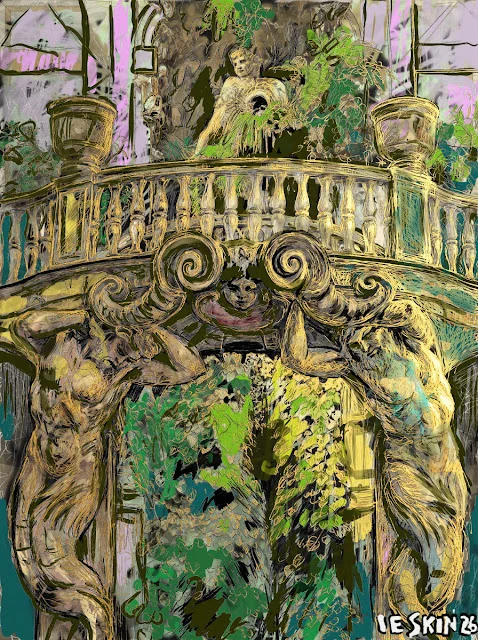
But let’s pivot to something equally intriguing—the visual arts. The author is also poised to unveil the second picture from The Genoa Series, capturing the essence of a particular location steeped in history and artistry. Highlighting a grotto feature within one of the Baroque Palaces, this latest piece reflects the author’s continued exploration in art, revealing the complexity of representing such a well-known site. The intricacies involved in rendering this image have prompted a moment of introspection for the author, who wonders if they may have overcomplicated the final result.
Art can often be challenging in its demands and expectations, especially when dealing with historical places laden with artistic heritage. Each brushstroke or pencil mark can feel heavy with the weight of representation; in this case, one full of Baroque grandeur coupled with the hints of personal interpretation. The author’s uncertainty about their new creation resonates on many levels, especially for those in the creative fields where self-doubt can be a constant companion. Yet, this self-critical contemplation may very well yield layers of depth in the work itself.
The author invites reflection from viewers, an engaging gesture that fosters dialogue around art and creativity—it’s a universal language where interpretations may vary wildly from one person to the next. This participatory element of sharing art not only invites constructive critique but also establishes a shared appreciation for artistic endeavors, however complex the processes may be.
Visually, the intriguing image from The Genoa Series serves as a reminder of the potential for art to evoke emotion and thought. While pictures often tell stories in ways words cannot, this particular piece may be framed within broader narratives of place, transience, and the relationship between nature and human craftsmanship. Each creation provides a moment in a larger dialogue, encouraging observers to ponder the histories and ideas encapsulated within the lines and colors.
As the thread of connection runs between thoughts of culture, literary aspirations, and artistic expression, it becomes clear how intertwined and intricate the life of a creative individual can be. Whether contemplating shared experiences of food, the capricious nature of artistic achievement, or the humble approach toward expressing deep-seated emotions through art, the artist’s voice remains a powerful tool for engagement. These musings not only captivate but also resonate with anyone who seeks to understand the layers of human experience, enriching the lives of those eager to share in the journey.
What emerges is a richer understanding of the interplay between culture, creativity, and collaboration. The dialogue continues as more pieces from The Genoa Series are unveiled and cooked memories from France are shared; an ongoing reflection that speaks to both the joys and the tribulations of artistic expression.
Ultimately, whether through food, literature, or art, these explorations offer a glimpse into the deeply human experience—rooted in flavor, narrative, and visual storytelling that encourages collective contemplation and connection. Stay tuned for more as the author continues to document their enriching journey through creativity and cultural exploration.