In lane Publishing Industry
Exploring the Sweetness and Complications of Laurie Gilmore's The Strawberry Patch Pancake House
Description
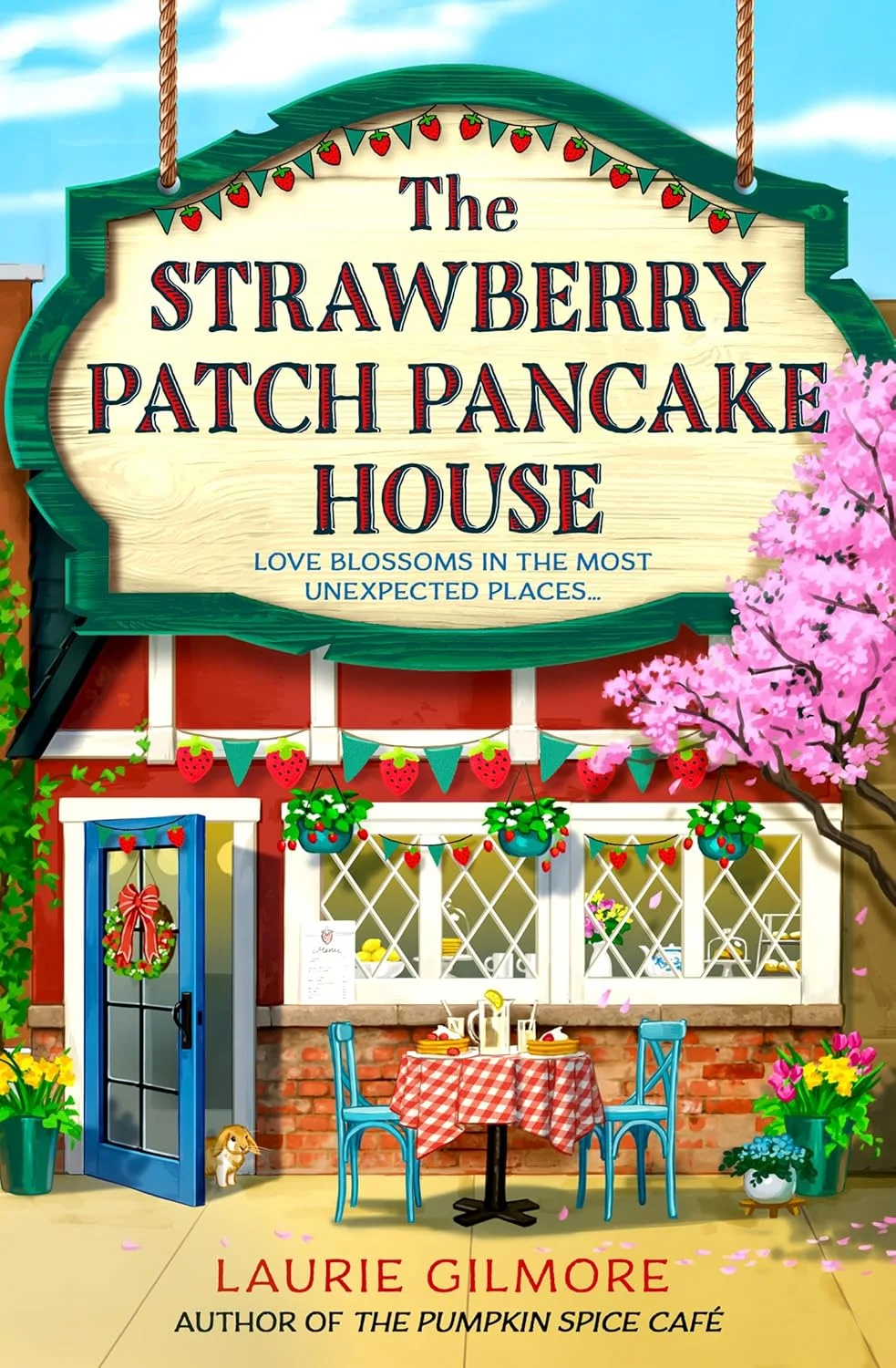
Laurie Gilmore's latest romance, The Strawberry Patch Pancake House, delves into the complexities of love and family in a small-town setting, but falls short of expectations.

Set for release on March 13, 2025, Laurie Gilmore's The Strawberry Patch Pancake House unfolds amidst the charming backdrop of Dream Harbor. Published by HarperCollins, the novel spans 384 pages and is also available in audiobook format narrated by Regina Reagan, which lasts for approximately 9 hours and 3 minutes. This installment stands as the fourth in the series but may leave readers wondering if it’s the right time to make a culinary pivot.

The narrative centers around Archer, a single dad and chef who unexpectedly finds himself managing a pancake restaurant in a small town. His daughter, Olive, serves as both a motivator and a source of tension as Archer navigates his new environment. Meanwhile, Iris, an unreliable employee with a history of short-lived jobs, reluctantly considers becoming a nanny when prompted by Mayor Kelly. Despite her hesitations, financial needs draw her into a role that complicates her life and Archer's.
Character Dynamics and Themes
From the outset, the chemistry between Archer and Iris appears strained, reflected in Archer’s reluctance to embrace his responsibilities. As a character, he carries emotional baggage, creating a palpable tension that impacts those around him, particularly Iris. In one instance, he almost dismisses Iris for concerns over his conduct, sparking a reflective journey where he must reassess his work-life balance. While grappling with his father's duties, this twist could either deepen his character or lead to a complete about-face that feels forced to some readers.
Several critical questions emerge regarding the characters’ backgrounds and choices. For example, the decision to leave a child with a virtual stranger rather than a family member raises eyebrows. This storyline seems to highlight the issue of unstable parental structures, yet the execution skims the surface, causing readers to question the plausibility of the dynamic rather than engage with it fully.
Pancakes and Plot Progression
Perhaps the most interesting aspect of the book is the mystery surrounding the perfect pancake recipe, which ties into both character motivations and the narrative arc. Unlike previous installments where mystery feels shoehorned in, the chase for the right pancake formulation actively plays a role in the plot, providing a redeeming quality that sustains interest amidst some less compelling moments. However, it doesn’t entirely rescue the reader from the repetitiveness that marred earlier narratives.
The romantic tension is undercut by frequent mentions of professionalism, as Archer and Iris navigate their growing attraction. Scenes that would normally elevate a romance are minimal, suggesting an effort to focus on the plot rather than explicit content. However, this focus doesn’t quite convince, as the characters remain awkwardly caught between their desires and ethics. At times, their thoughts on intimacy come off as exaggerated, which could detract from an otherwise engaging narrative thread.
Character Development and Narrative Weakness
If there’s a significant flaw in The Strawberry Patch Pancake House, it lies in its characters' lack of depth. As the storyline unfolds, it becomes increasingly difficult to believe that these characters once had rich backgrounds; the progression to less dimensional figures feels like a missed opportunity. Readers unfamiliar with prior books may struggle to connect with secondary characters, who are merely names dropped without meaningful context. This creates a barrier, isolating those who hoped to invest fully in the evolving story.
Ultimately, the narrative leads to a climax that feels disjointed from Iris's established character development. A glaring shift in her desires feels abrupt as she moves from merely liking Olive—Archer’s daughter—to wanting to have children of her own. This swift change of heart runs contrary to the character's previous assertions, suggesting a lack of coherent character arc development.
Final Thoughts
While some readers might find the appeal of The Strawberry Patch Pancake House lies in its simplicity and digestible nature, it struggles to keep pace with higher standards set earlier in the series. It exhibits the quintessential hallmarks of a ‘TikTok book’: simplicity, steamy moments, and easily relatable conflicts. Yet as the series progresses, it seems to lean more heavily on formulaic plots rather than evolving characters or compelling narratives.
For those enticed by cozy town mysteries or seeking light reads, Gilmore’s work may still hold some moments of charm. However, after experiencing this installment, one might reconsider continuing the series that appears to sacrifice substance for ease. If you find yourself intrigued, The Strawberry Patch Pancake House is available through various retailers like QBD, Dymocks, Booktopia, and even Audible for those who prefer an audio experience.
Ultimately, Gilmore's latest effort prompts thoughtful reflection: how crucial is character depth in romance? And for readers discerning enough to gauge narrative evolution, this book may signal a turn for the worse. Disappointingly, it may be time to step away from Dream Harbor, as there are undoubtedly more fulfilling literary servings awaiting discovery.