In lane Book Reviews
A Journey of Loss and Discovery in G.J. Terral's "He Who Ate the Wild"
Description
G.J. Terral's "He Who Ate the Wild" explores grief and identity through the eyes of a young warrior navigating a mystical world.
Synopsis
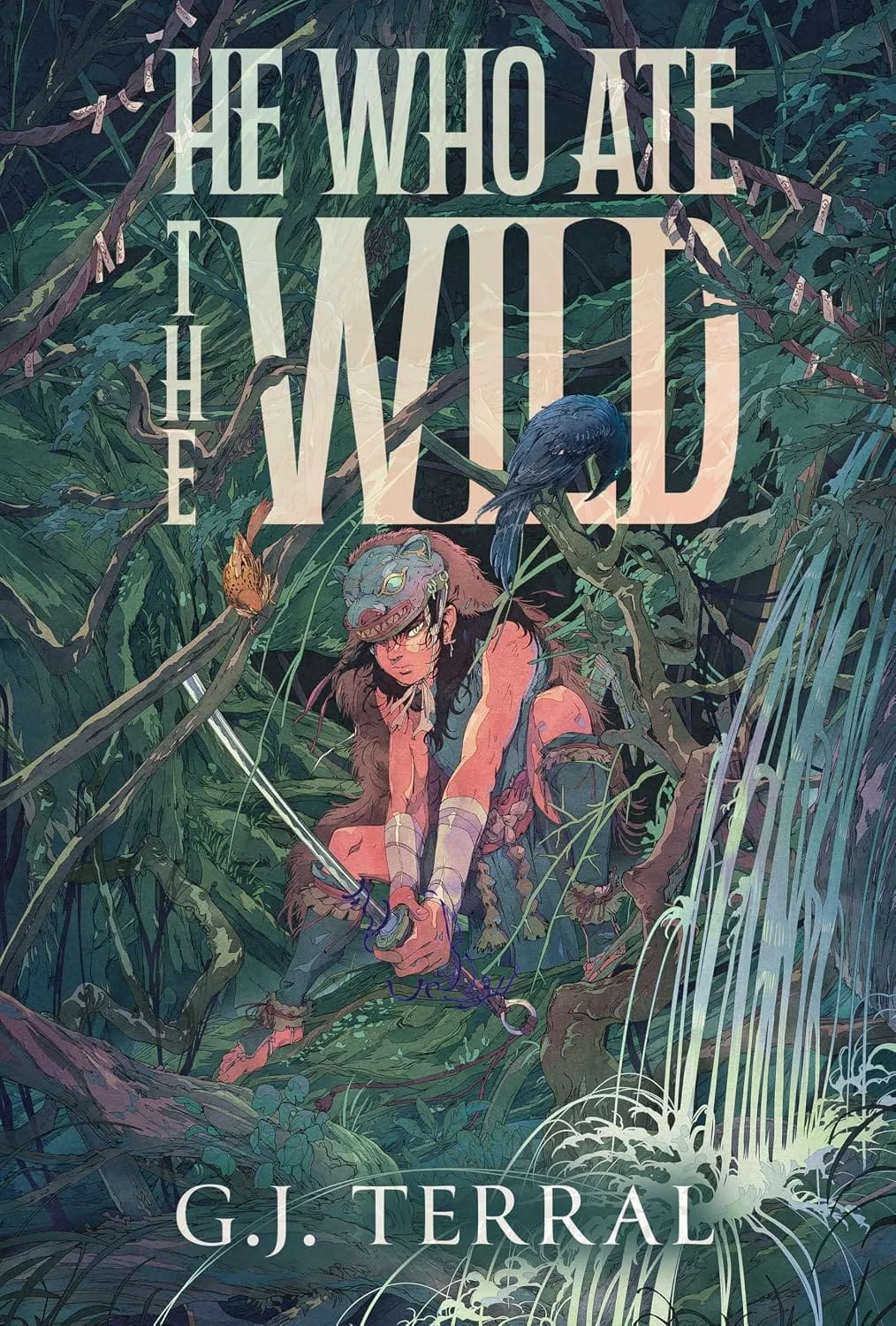
“I have grown hungry. Grief no longer nourishes me. I will eat the wild.” This haunting declaration sets the stage for G.J. Terral's He Who Ate the Wild, a novel that weaves together themes of loss, nature, and the spiritual world. Following the wise advice of his mother before her mysterious disappearance—such as whispering prayers, lighting candles, and watching his steps—Kazuki embarks on a treacherous journey after encountering a malevolent spirit that leaves him both physically and emotionally wounded.
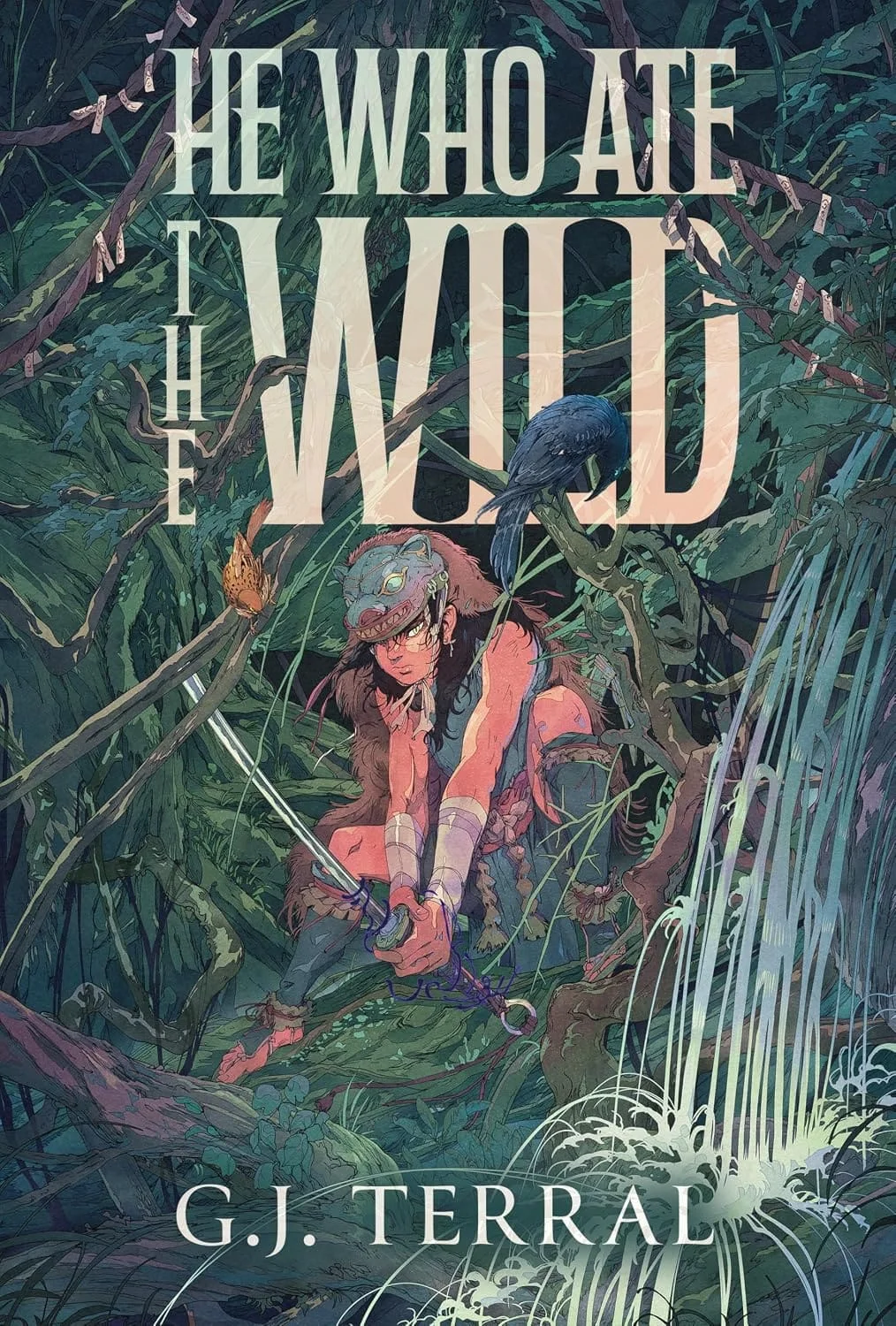
Armed with his father’s sword and a determination to find his mother, Kazuki ventures north into uncharted territories where demons, spirits, and gods lurk. As he traverses this ethereal landscape, he grapples with the core question: Can he reclaim his past and discover the truth, or will the wild consume him whole?
Quick Overview
He Who Ate the Wild transcends a simple tale of loss, inviting readers into a richly crafted, Japanese-inspired setting where a young warrior confronts his grief and attempts to forge a path toward understanding his place in the world.

Full Review
My journey with He Who Ate the Wild began during its Kickstarter campaign, where I had the privilege of illustrating a map for the book. Having now read the full work, I can attest it’s a rewarding experience to witness a project come to life that you had a hand in. Though I had some background knowledge of the world from my earlier involvement, I approached the narrative with little familiarity beyond hints of human-spirit relationships akin to Princess Mononoke. What I found exceeded my expectations dramatically.
The narrative unfolds through a dreamlike first-person perspective, making the experience intimate but occasionally challenging to navigate. Kazuki's voice often feels like it's reaching out to the reader, breaking the fourth wall without ever explicitly doing so. While this approach may make the opening chapters feel a bit slow, the contemplation and reflection that characterize these early moments offer beautifully nuanced insights into Kazuki’s character and the mystical world surrounding him.

The Role of Spirits
Spirits in He Who Ate the Wild are not mere ornaments; they manifest as real challenges and protective guides throughout Kazuki's journey. Notably, two spirits accompany him closely: Susu, the sparrow, and Kara, the crow. Their interactions add a light-hearted dynamic to the story, blending humor with tension. The interplay between Susu’s apparent benevolence and Kara’s opportunistic nature invites readers to engage with their contrasting personalities, showcasing a unique camaraderie that enriches Kazuki’s adventure.
Pacing and Action
As the plot progresses, the pace accelerates significantly with riveting action scenes and thrilling escapades. Terral displays a deep understanding of combat mechanics, adding an anime-like flair to the swordsmanship and magical elements that keep readers on the edge of their seats. While the initial slow burn enhances the emotional weight of the narrative, the fast-paced sequences introduce a different kind of urgency.

However, in these climactic moments, the sheer volume of action can overshadow character motivations. Kazuki's journey to find his mother and his quest for self-discovery feel somewhat sidelined amid the relentless excitement of the latter chapters. This shift might leave some readers yearning for more resolution regarding Kazuki’s emotional arc, especially in a standalone novel where continuity often lends itself to deeper character development.
Potential for Future Exploration
Despite these noted pacing issues, the book delivers a compelling and immersive experience. The themes of man versus nature interwoven throughout are poignantly expressed, and the world feels alive with a palpable sense of magic and danger. Kazuki’s grief transitions into a powerful exploration of healing, truly drawing readers into his emotional landscape.
Given that He Who Ate the Wild is crafted as a standalone, it presents an open-ended narrative that could allow for further exploration should Terral choose to revisit Kazuki’s character in the future. It’s refreshing to encounter a novel that stands alone while inviting its audience to imagine the untapped potential of future stories.
Final Thoughts
In conclusion, I wholeheartedly recommend He Who Ate the Wild. The novel offers a captive coming-of-age story blended with action and emotional depth, set in a world both whimsical and relatable. It’s a journey that lingers long after the last page has been turned—one well worth taking for readers seeking a balance of beauty and adventure.